AARP and NextDayBetter came with a clear intention: tell the story of LGBT caregiving as activism. The challenge was finding a human way through centuries of history without reducing the movement to a timeline of milestones.
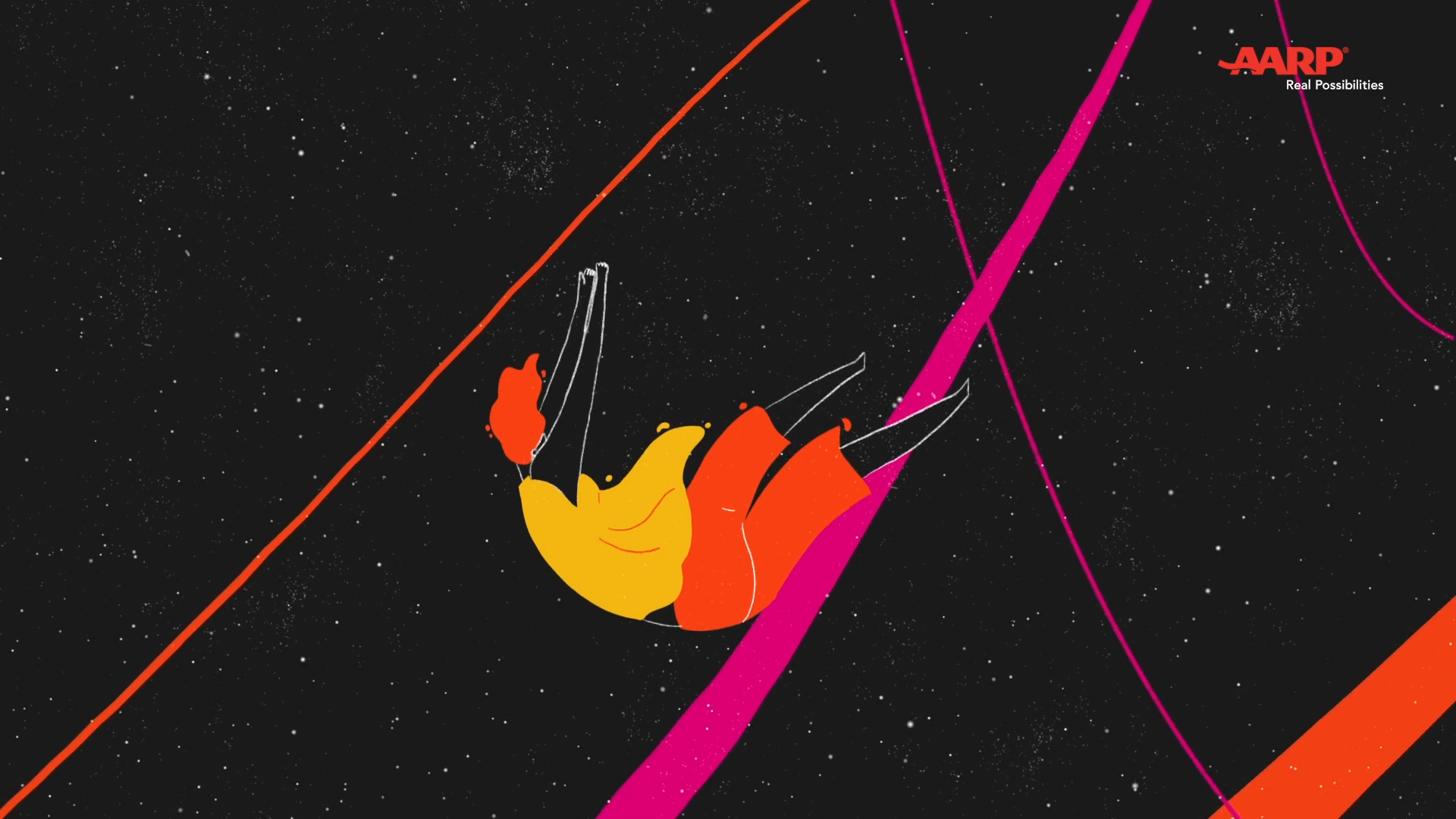
Rezonate found the narrative through caregiving itself. Across generations, care was not separate from activism. It was how people survived, organized, created chosen families, and protected one another when institutions would not.
That understanding shaped the film around three forces within the movement.
Survival.
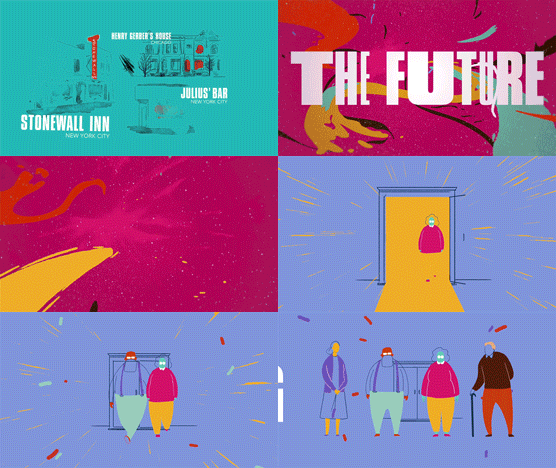
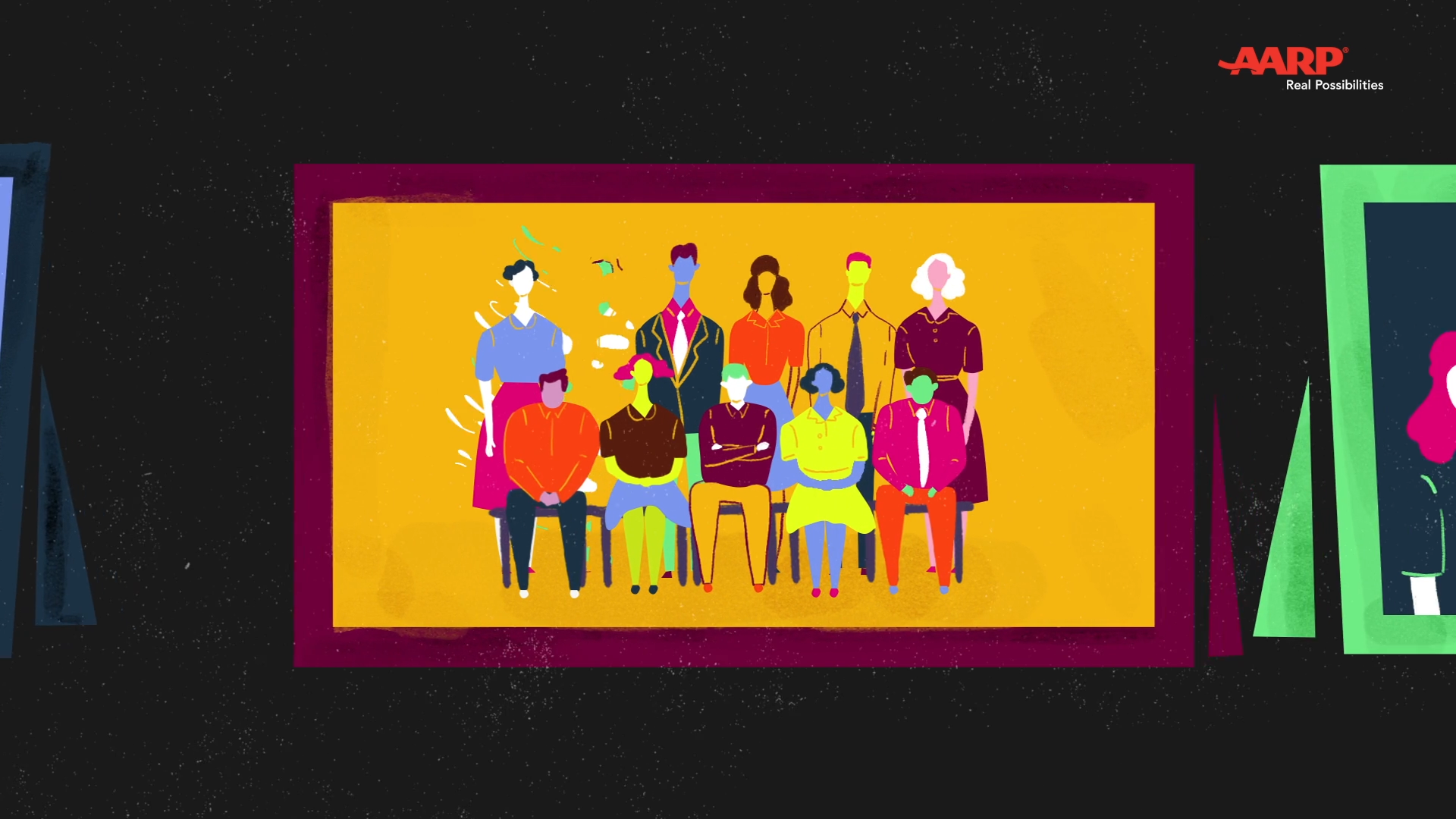
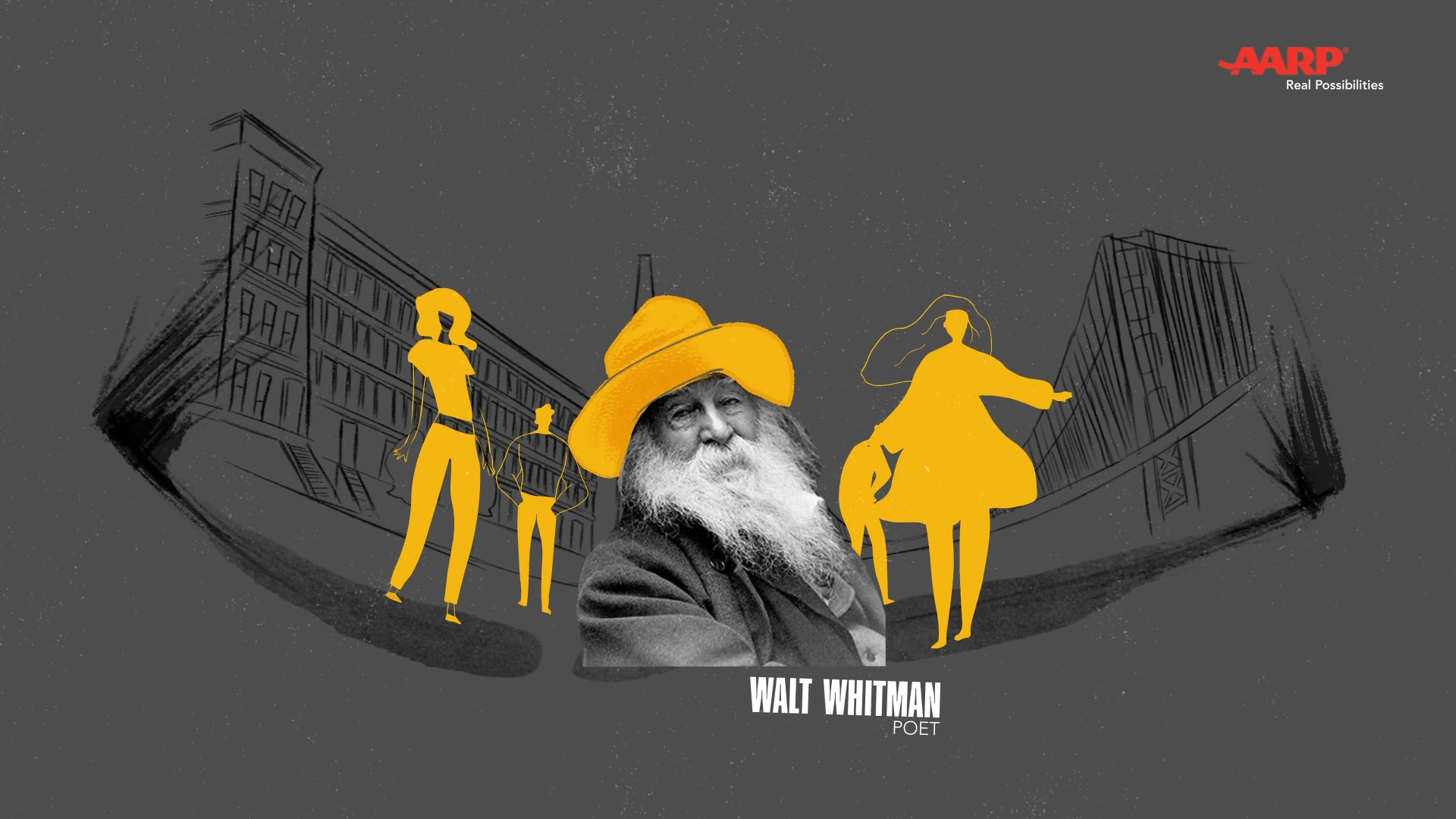
Centuries when simply existing carried risk. The film reached back to figures who created language, refuge, and identity long before acceptance existed, from poets calling people to gather in cities to cultural icons like We'wha who lived openly in unsafe times.
Equality.
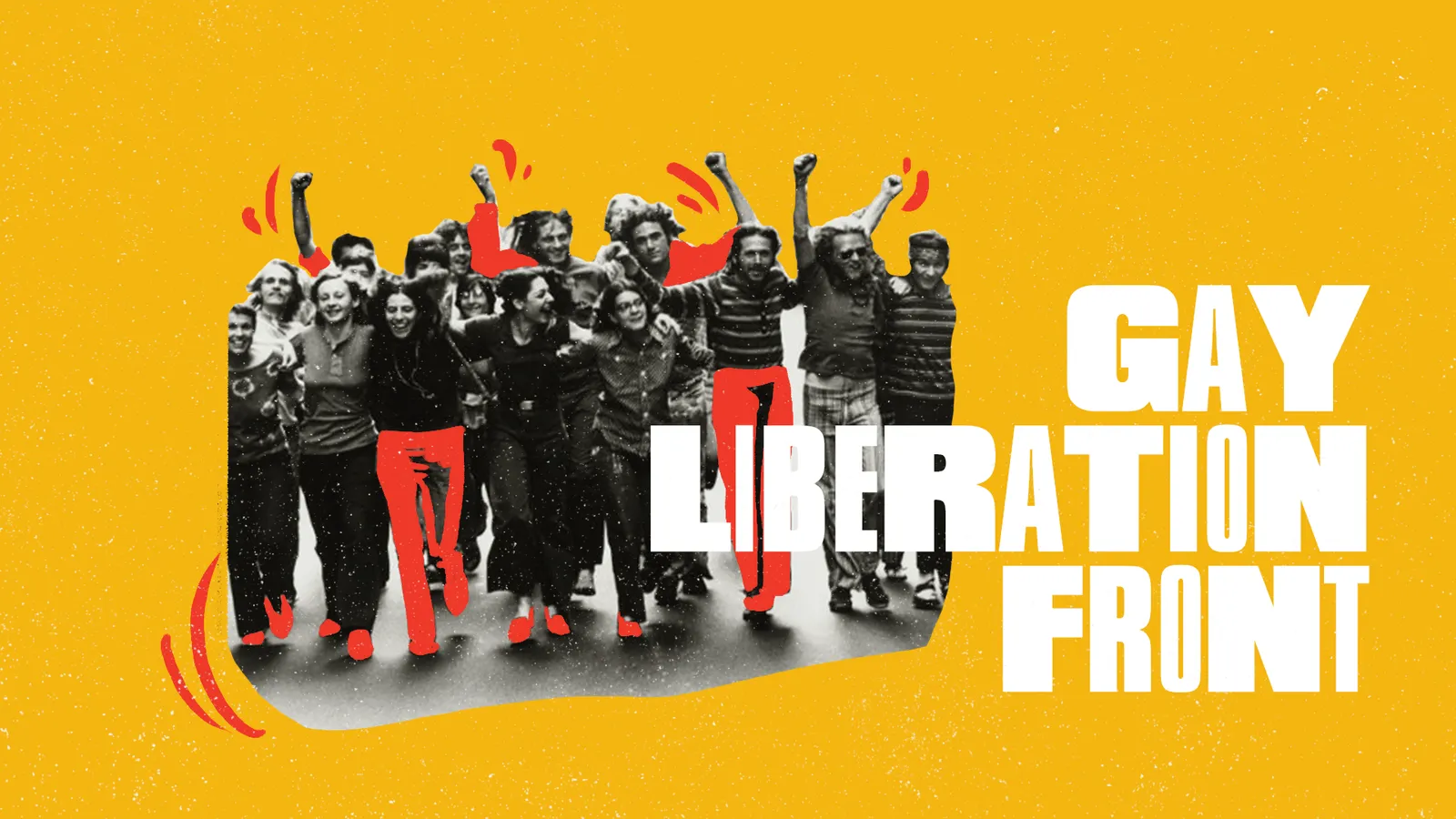
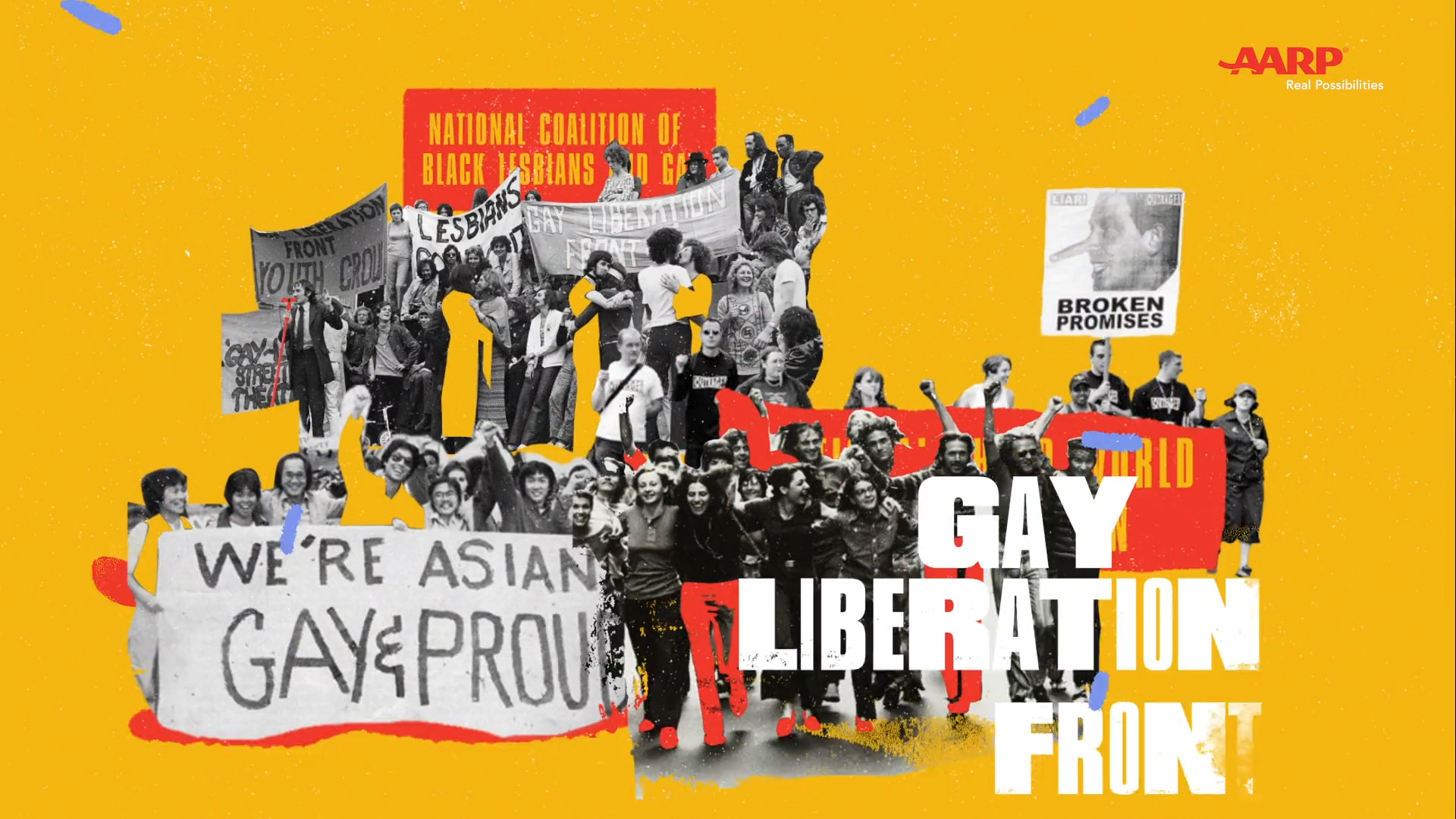
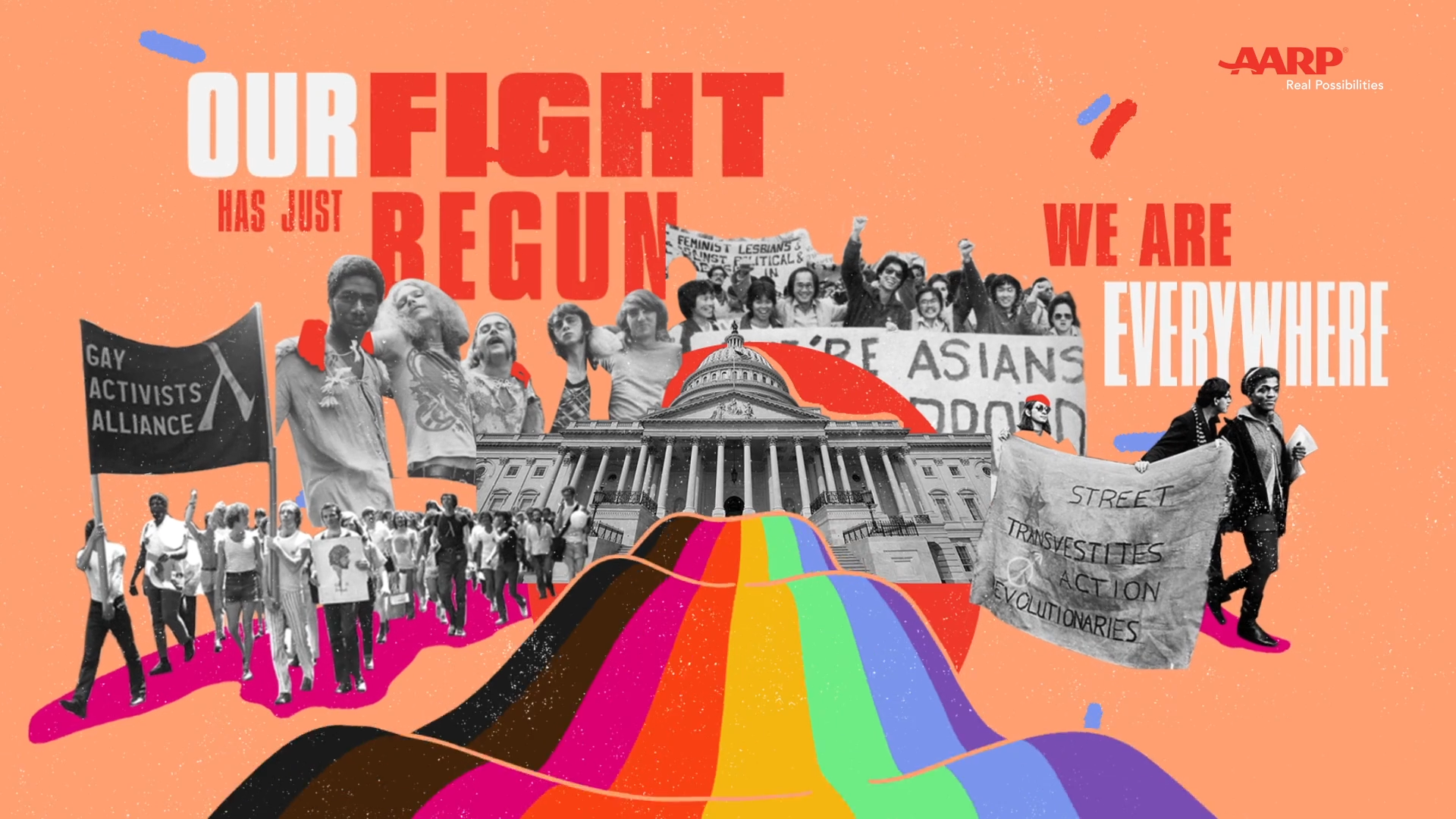
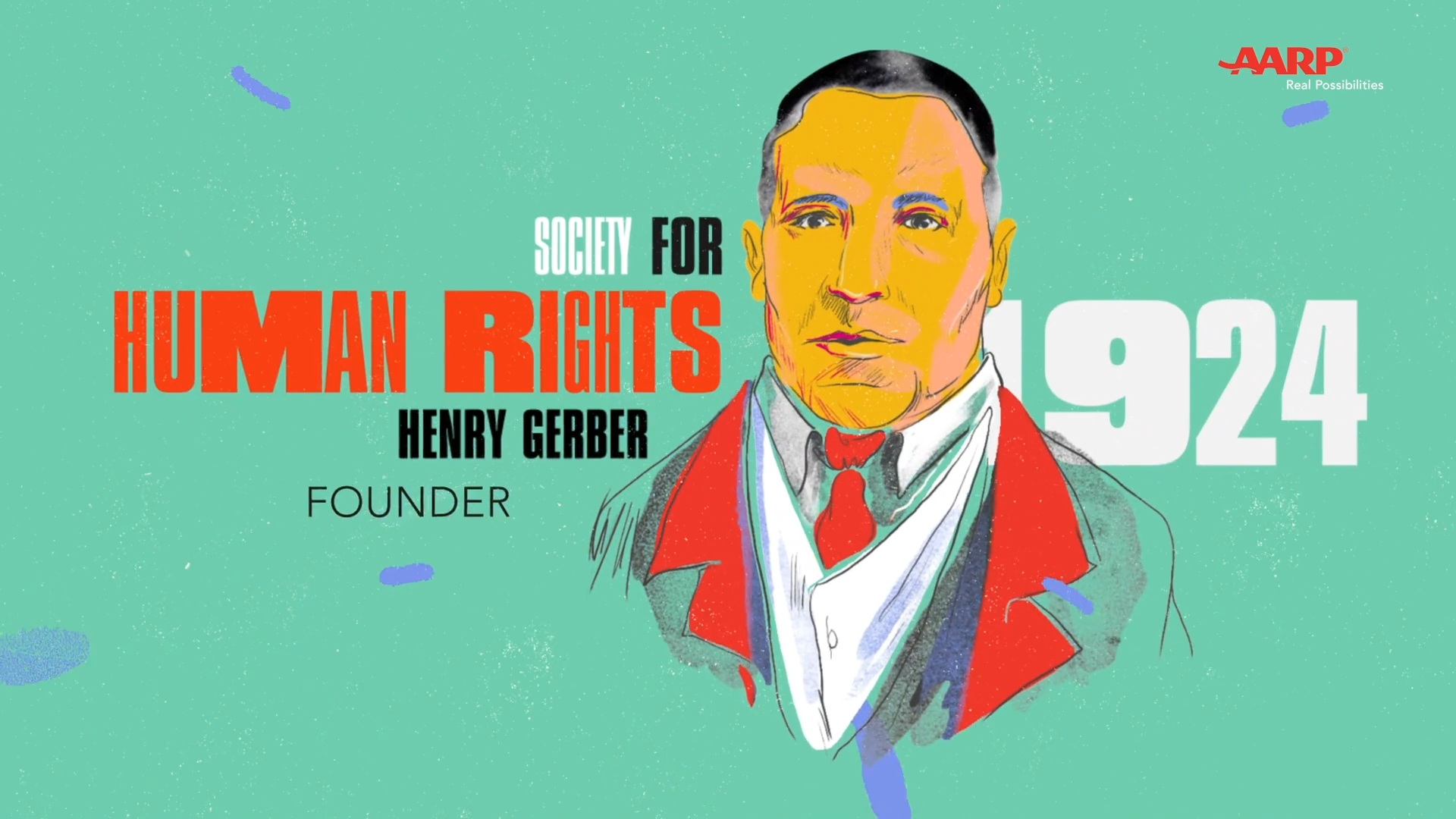
Underground organizing became public action. Groups like The Mattachine Society and The Daughters of Bilitis built structures of care and solidarity. Research from Kinsey and Evelyn Hooker challenged damaging medical narratives. A generation fought for the right to live openly and care for one another without fear.
Liberation.
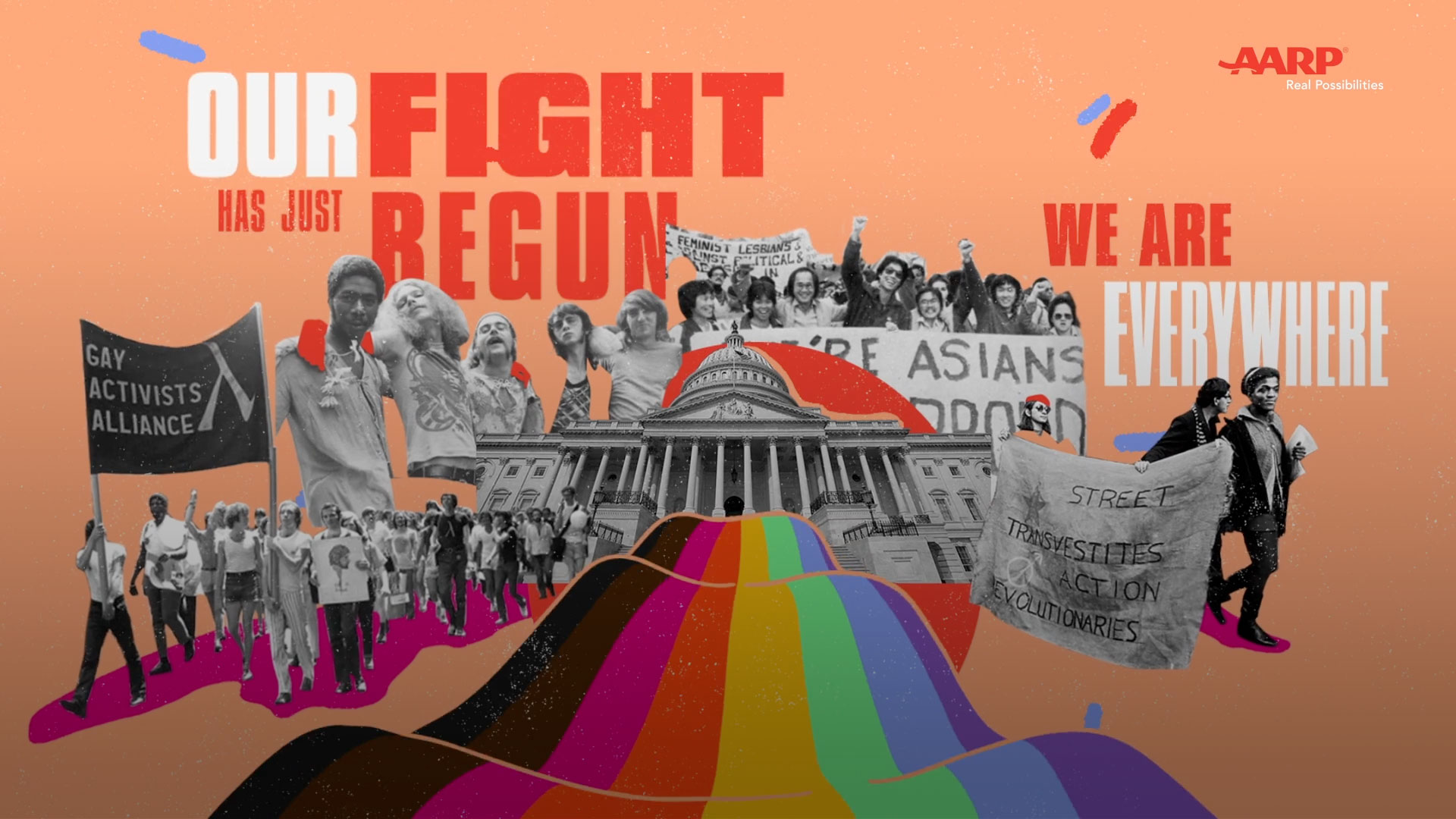
Stonewall, Pride, and the fight for legal rights changed what was possible. During the AIDS epidemic, the community was forced to become its own system of care. Organizations like ACT UP and GMHC turned collective action into survival. Marriage equality, DADT repeal, and anti-discrimination milestones carried that struggle forward.




.webp)
.gif)