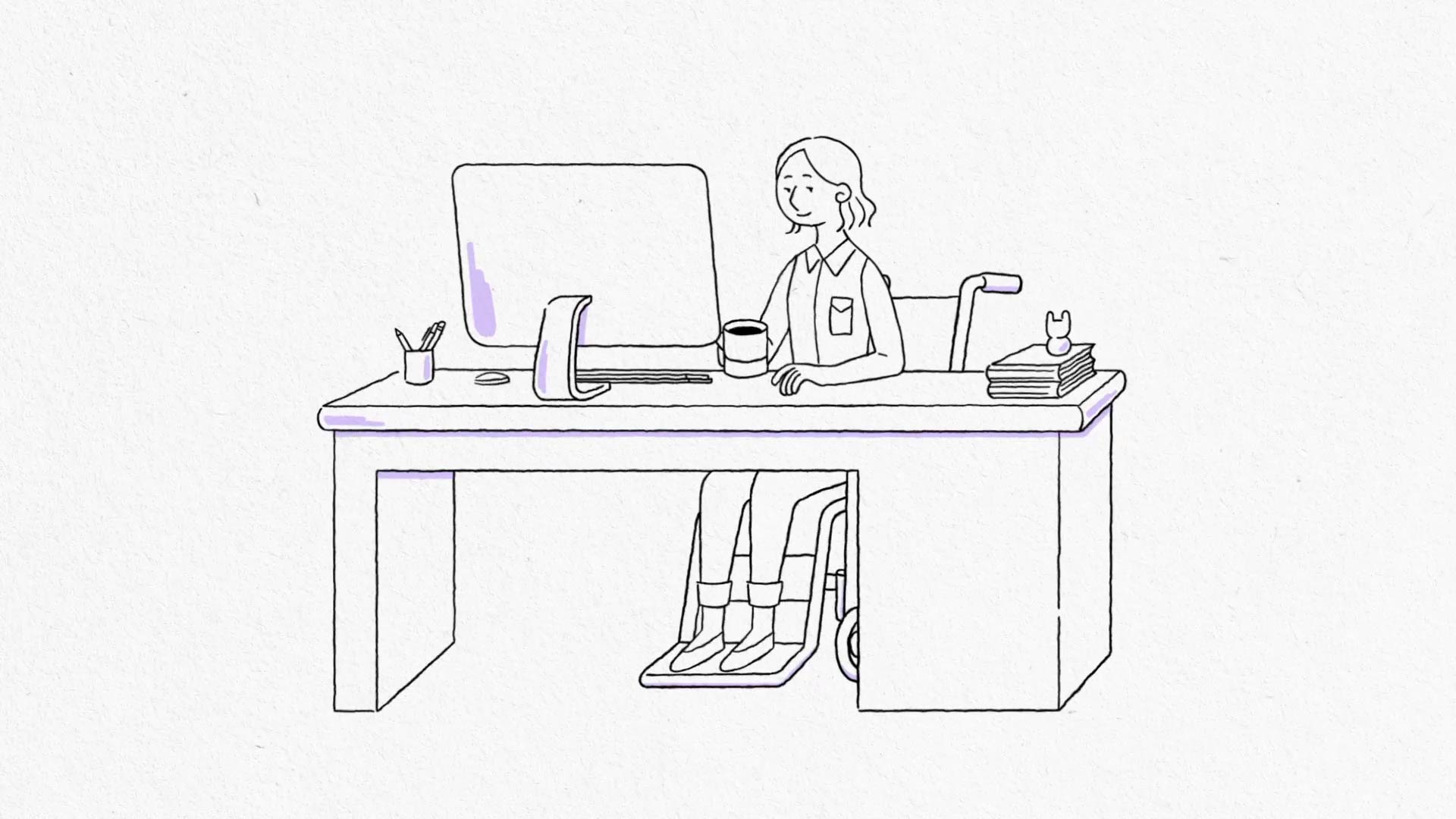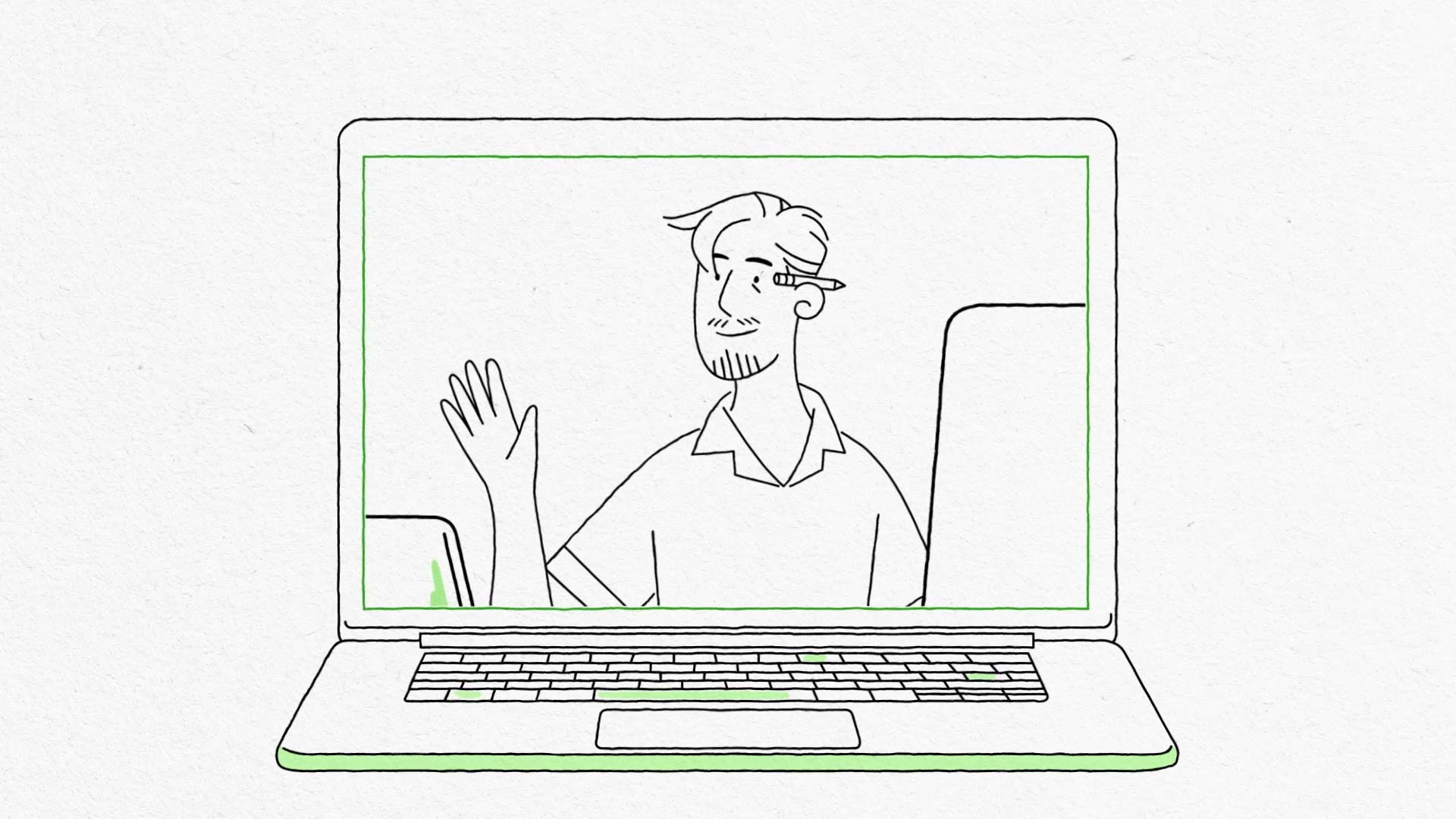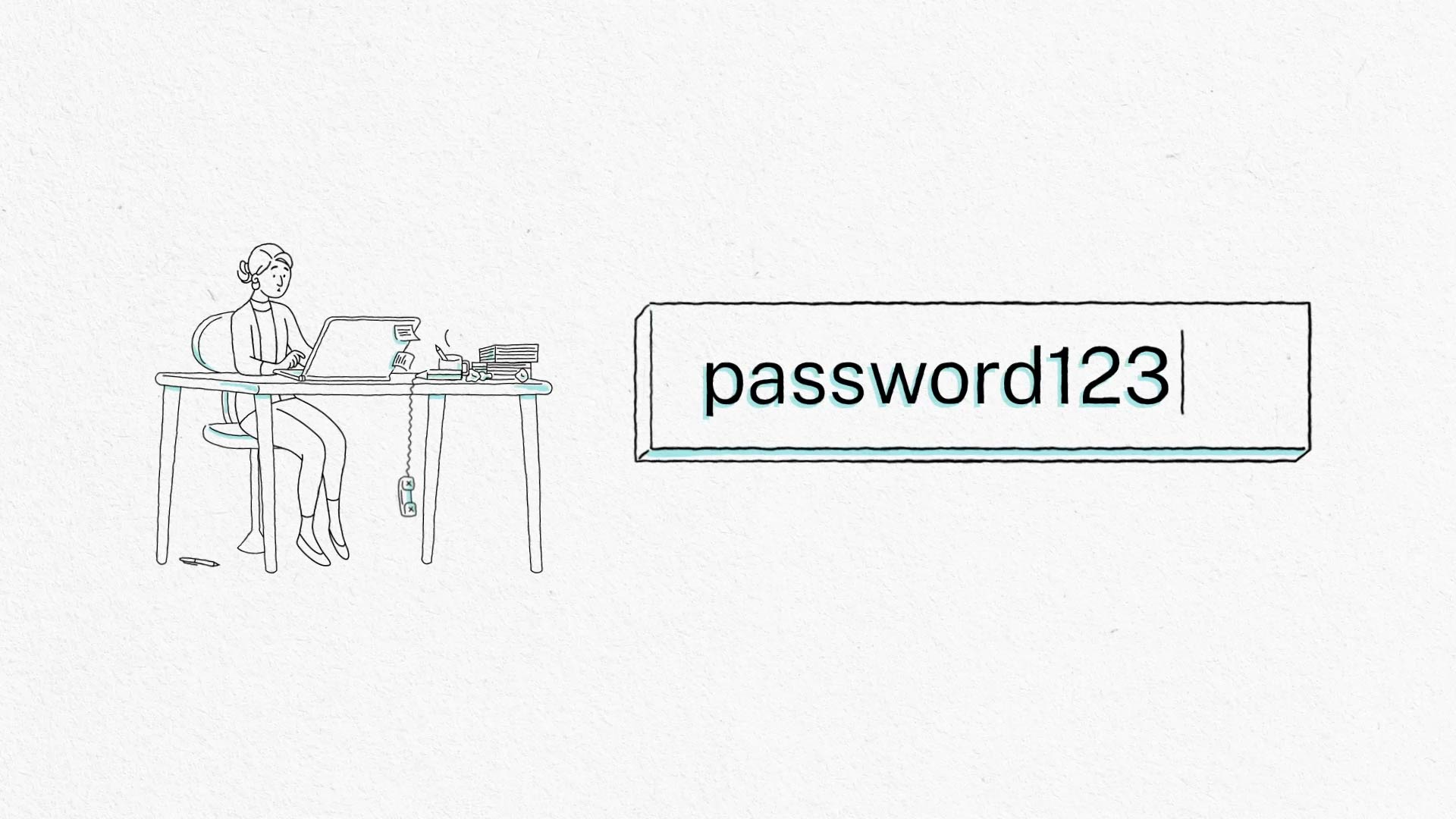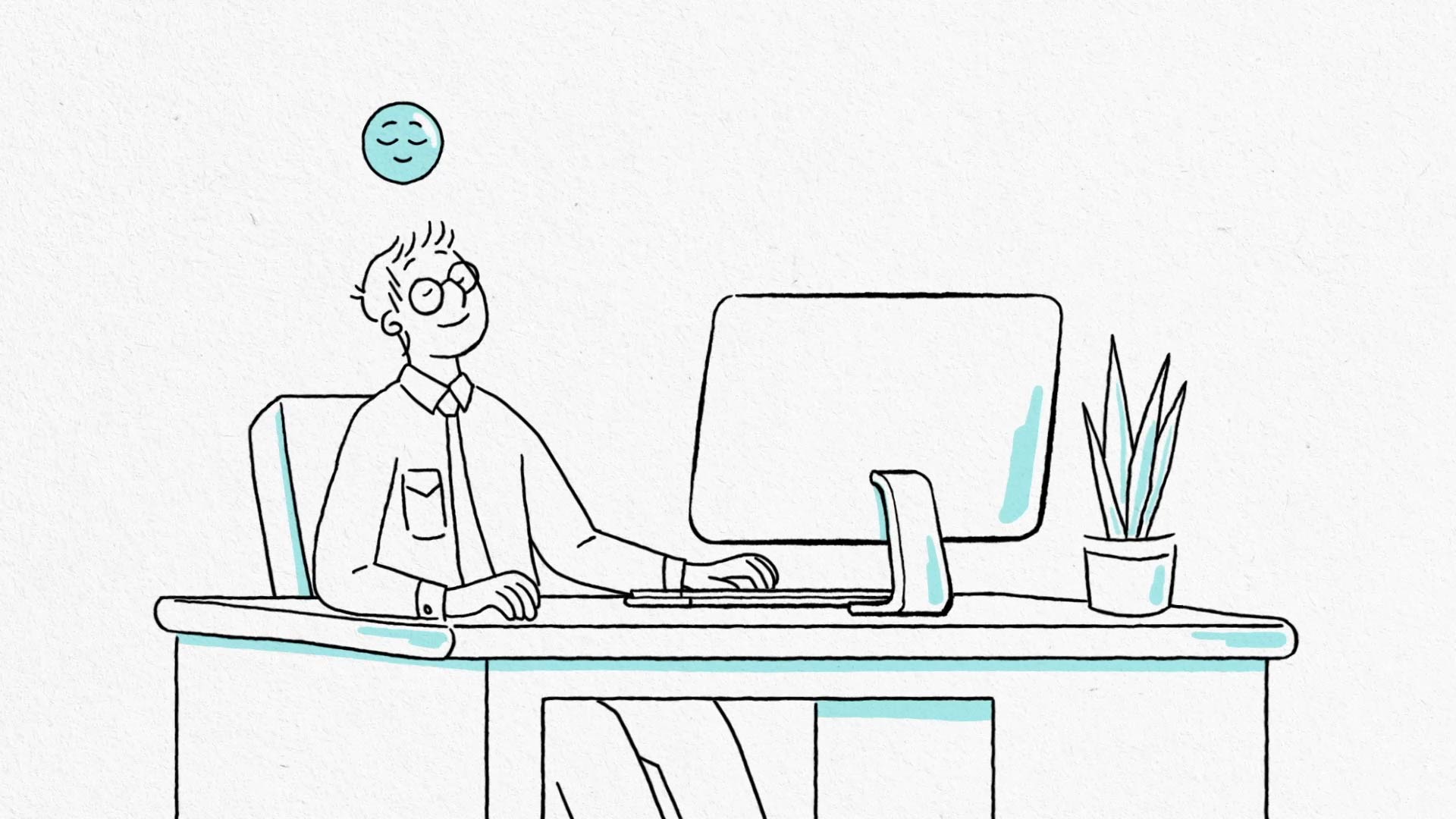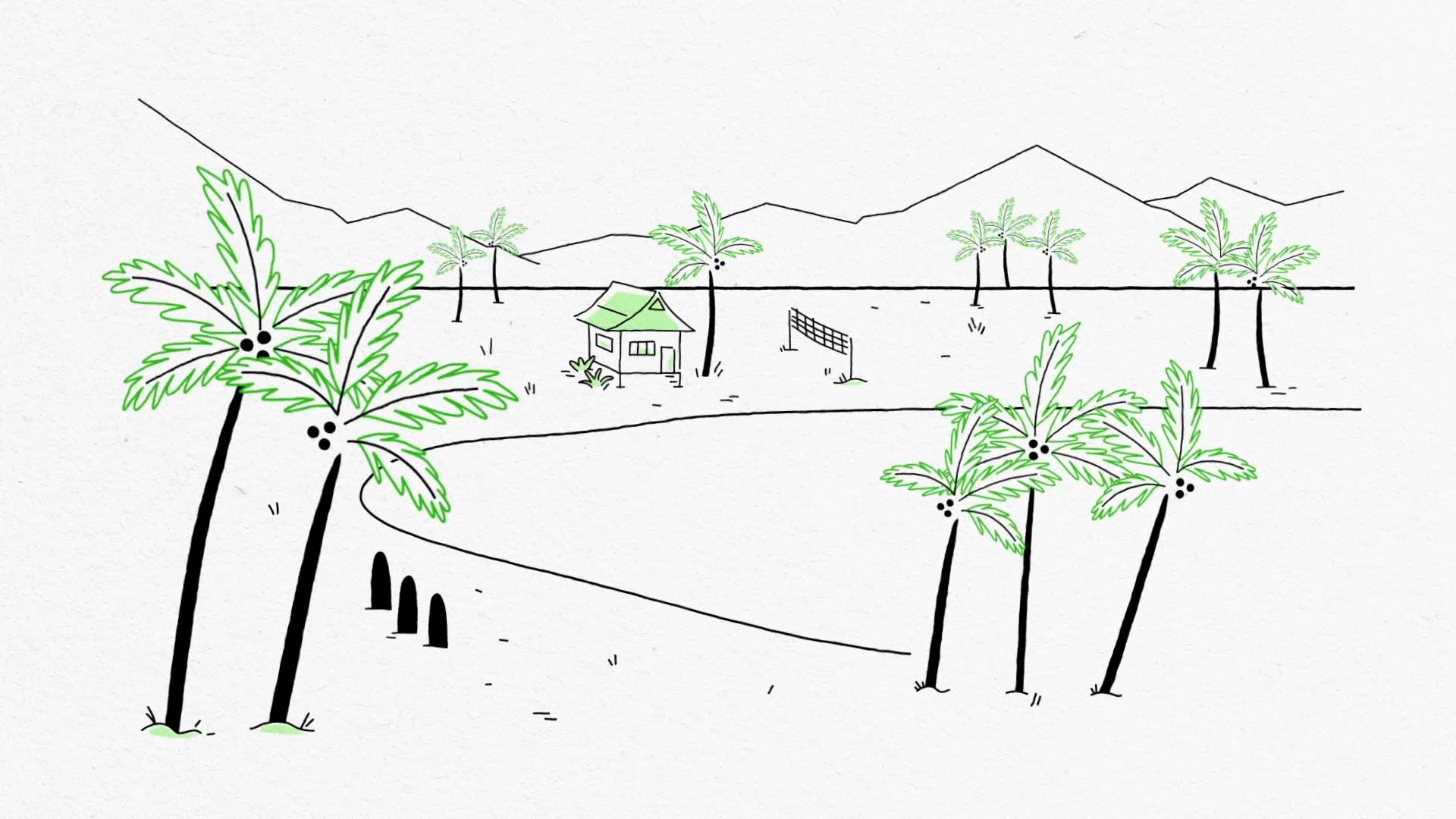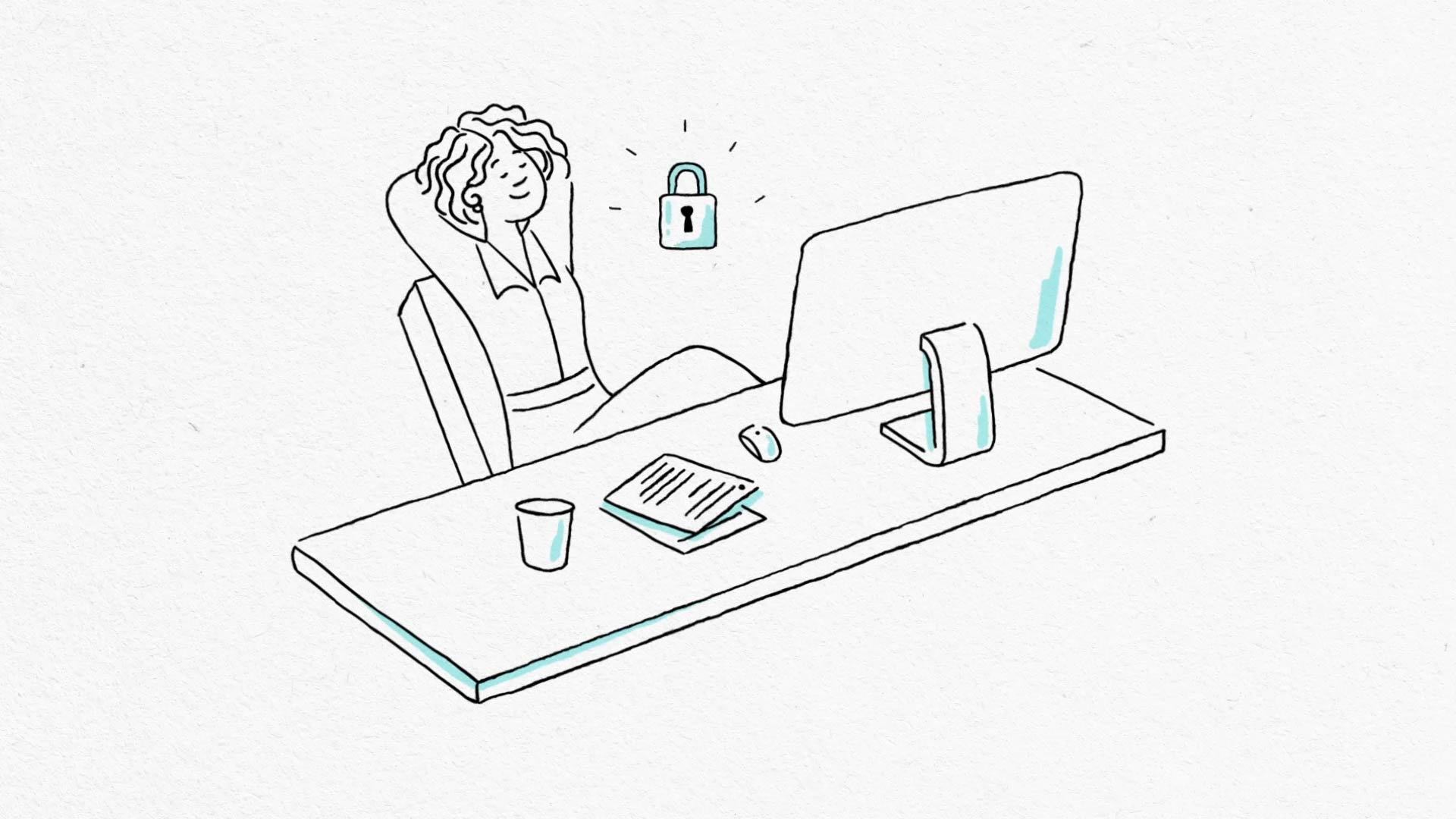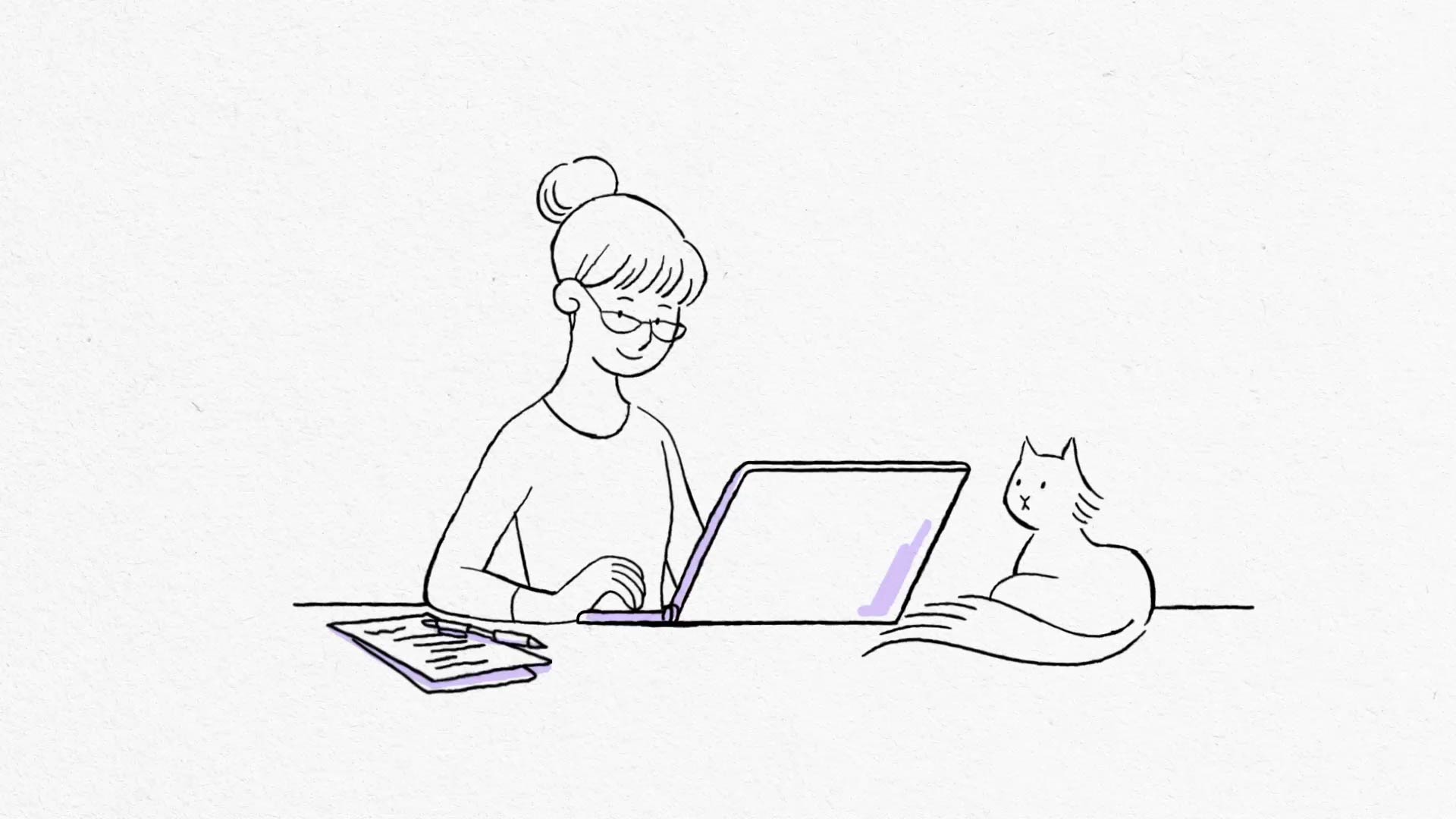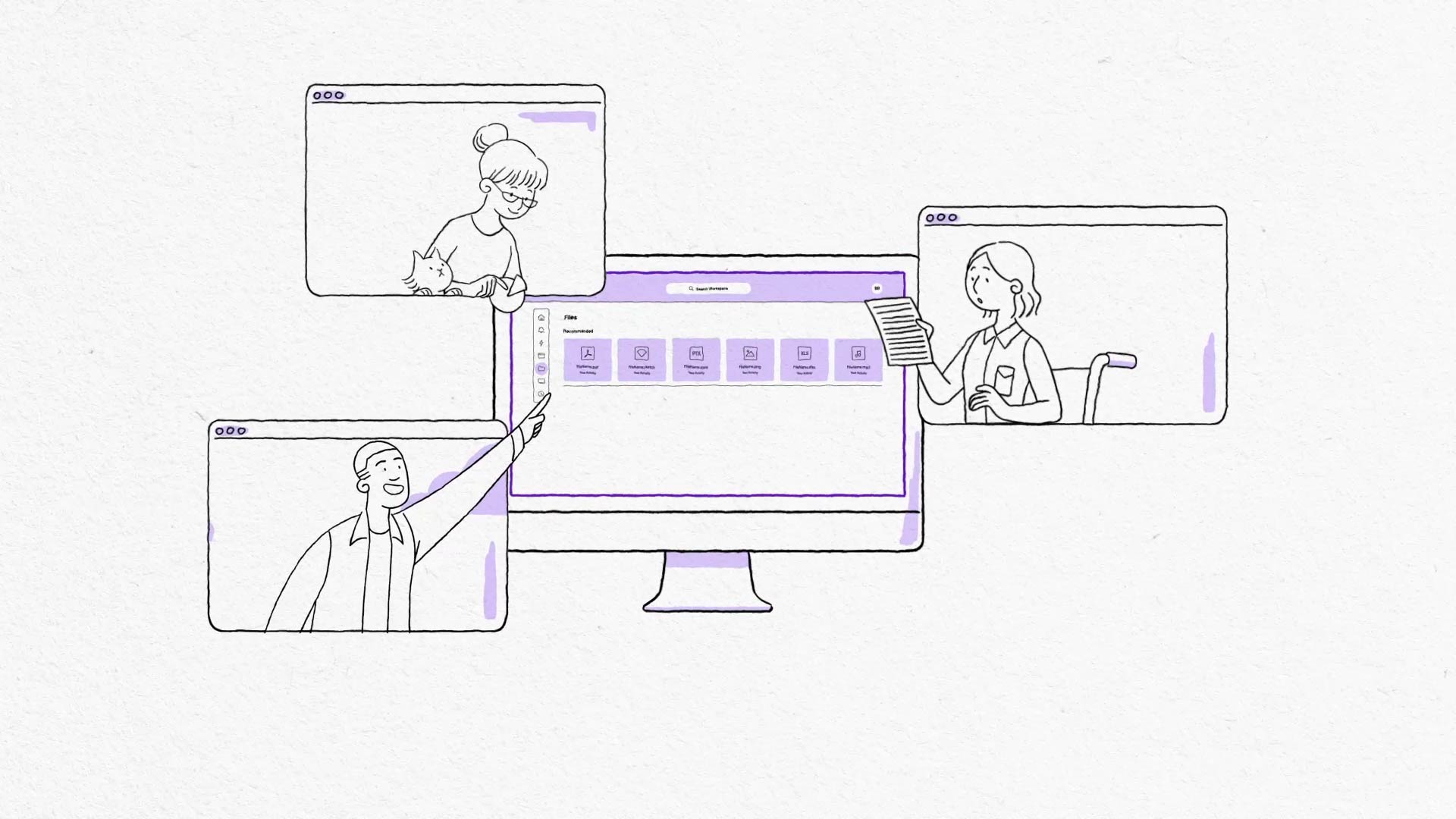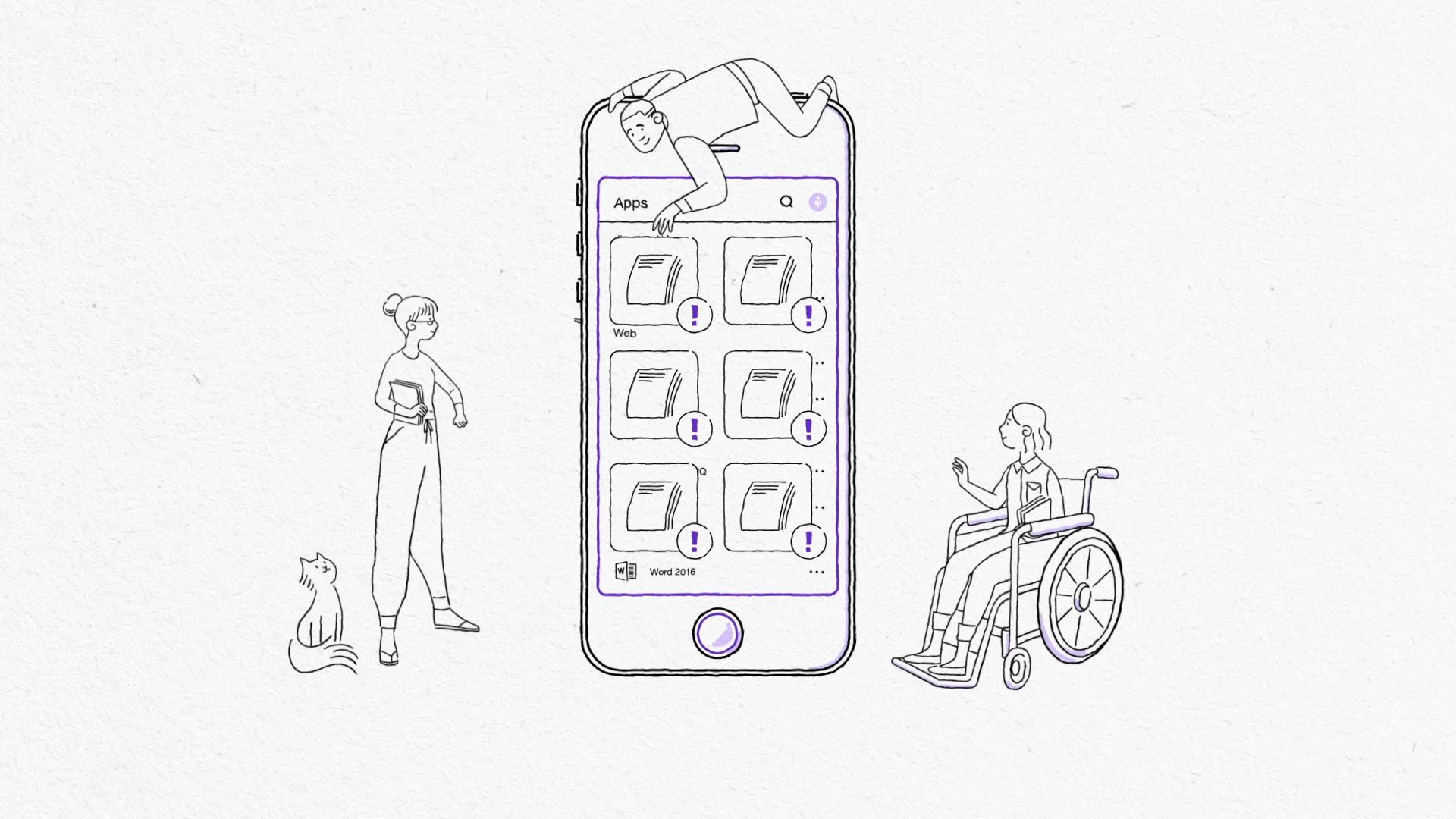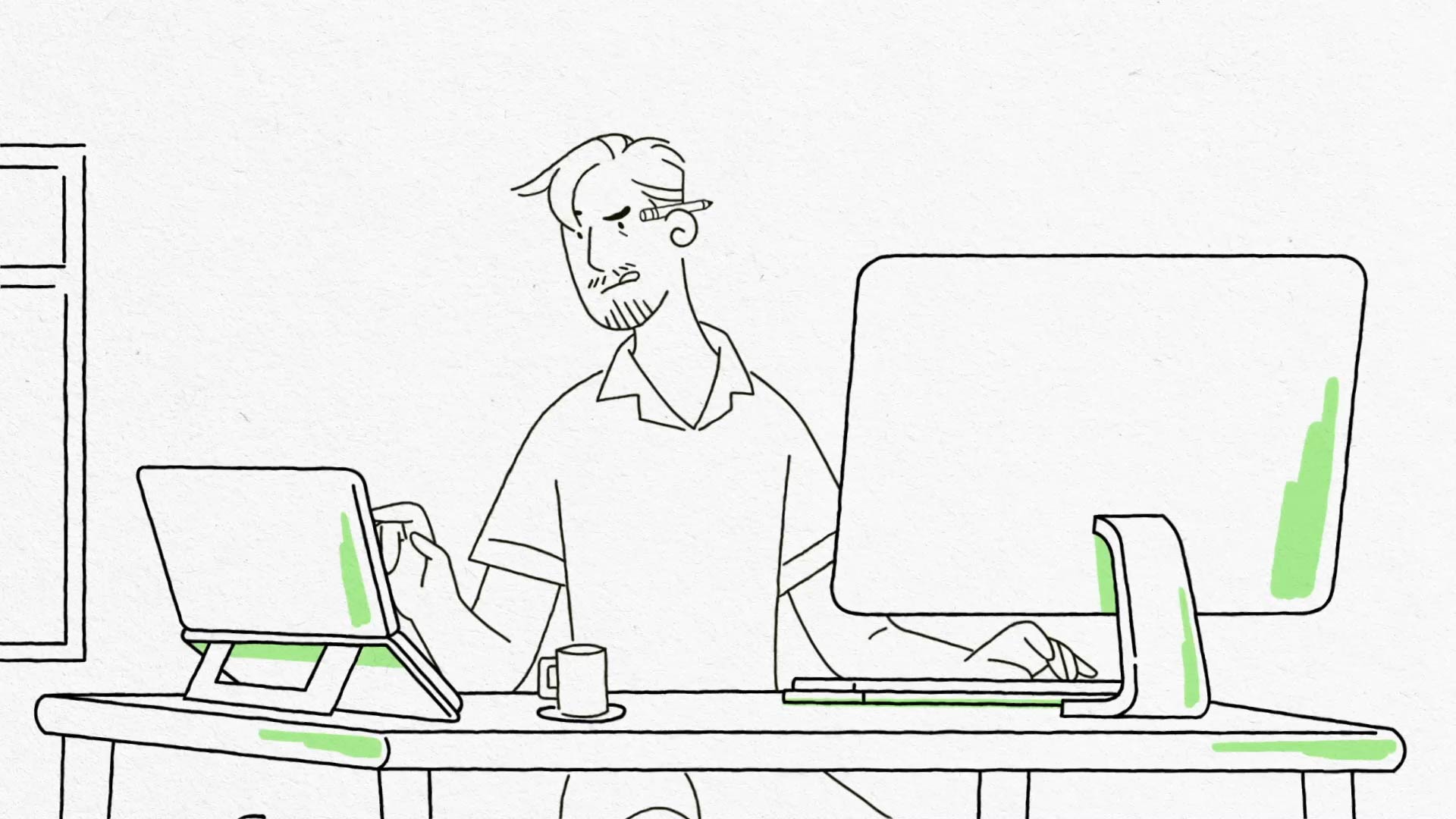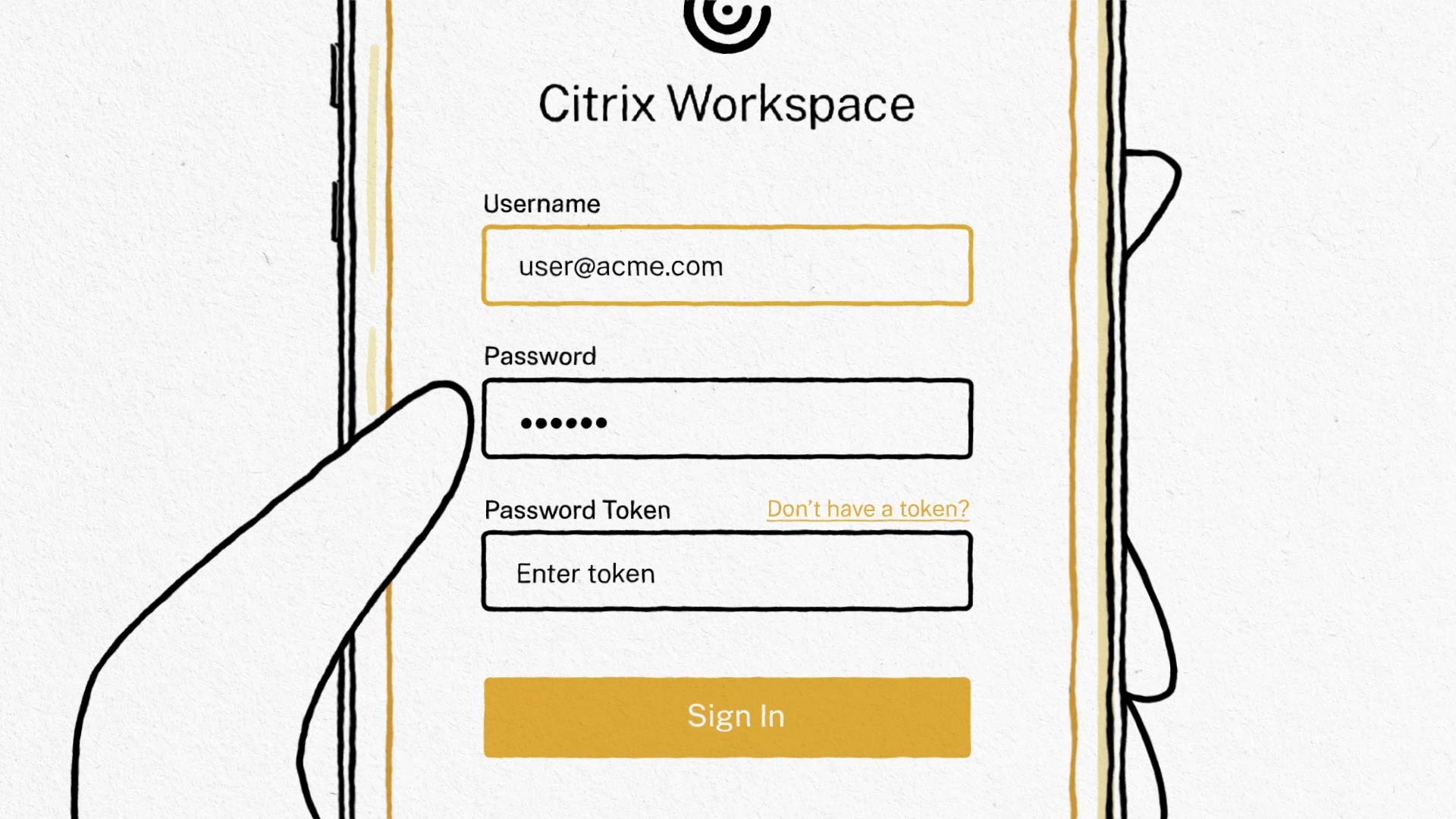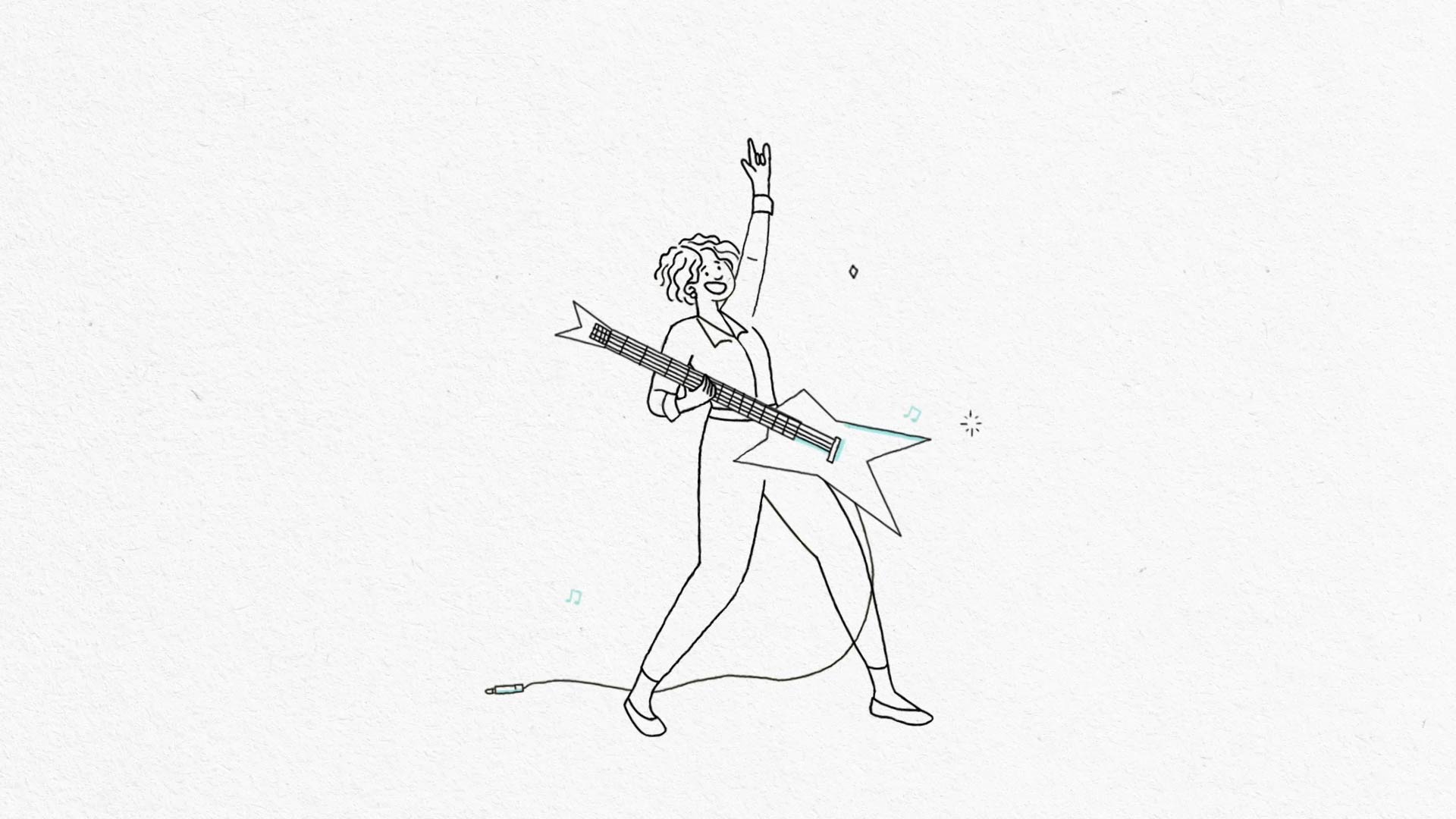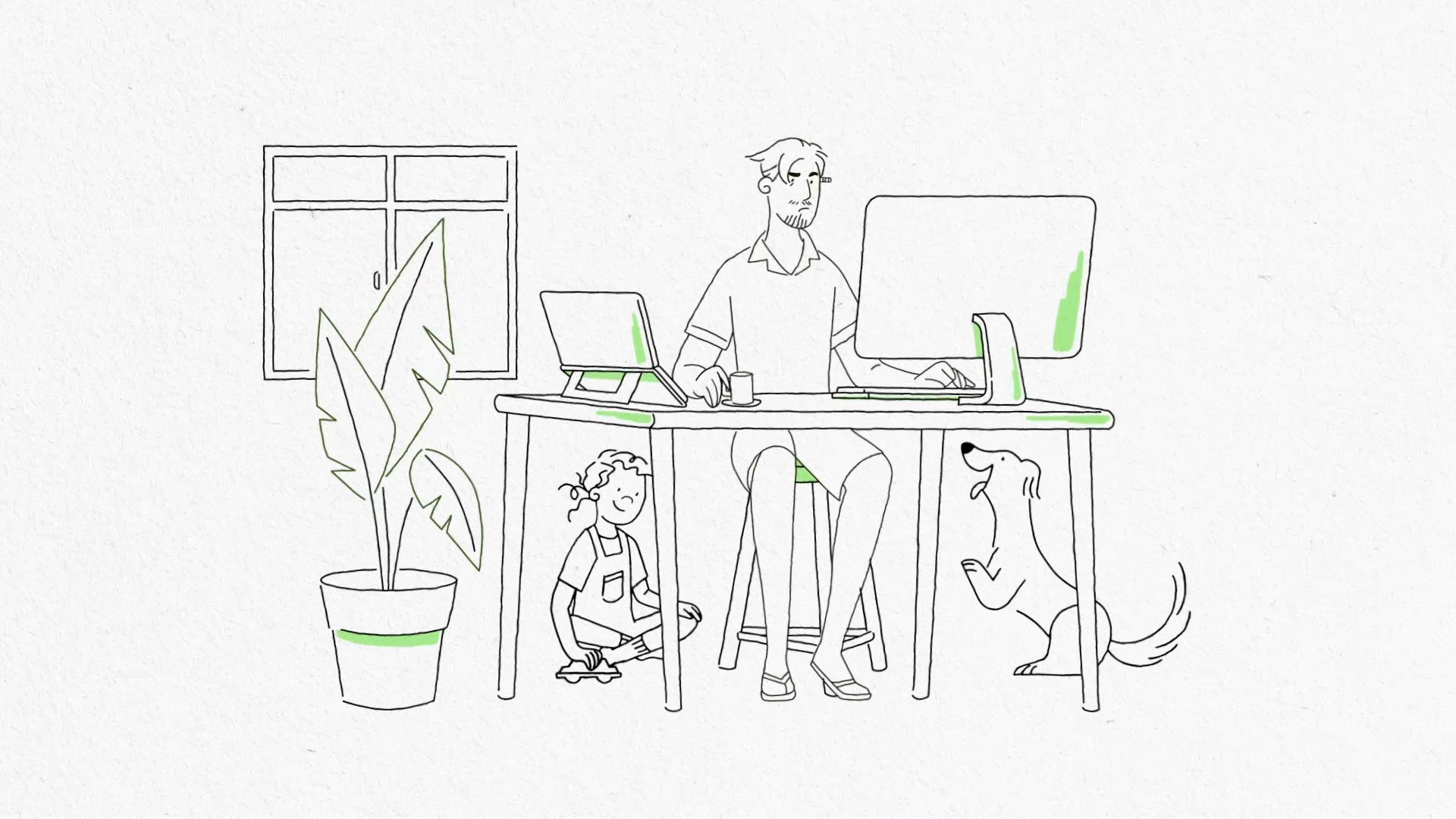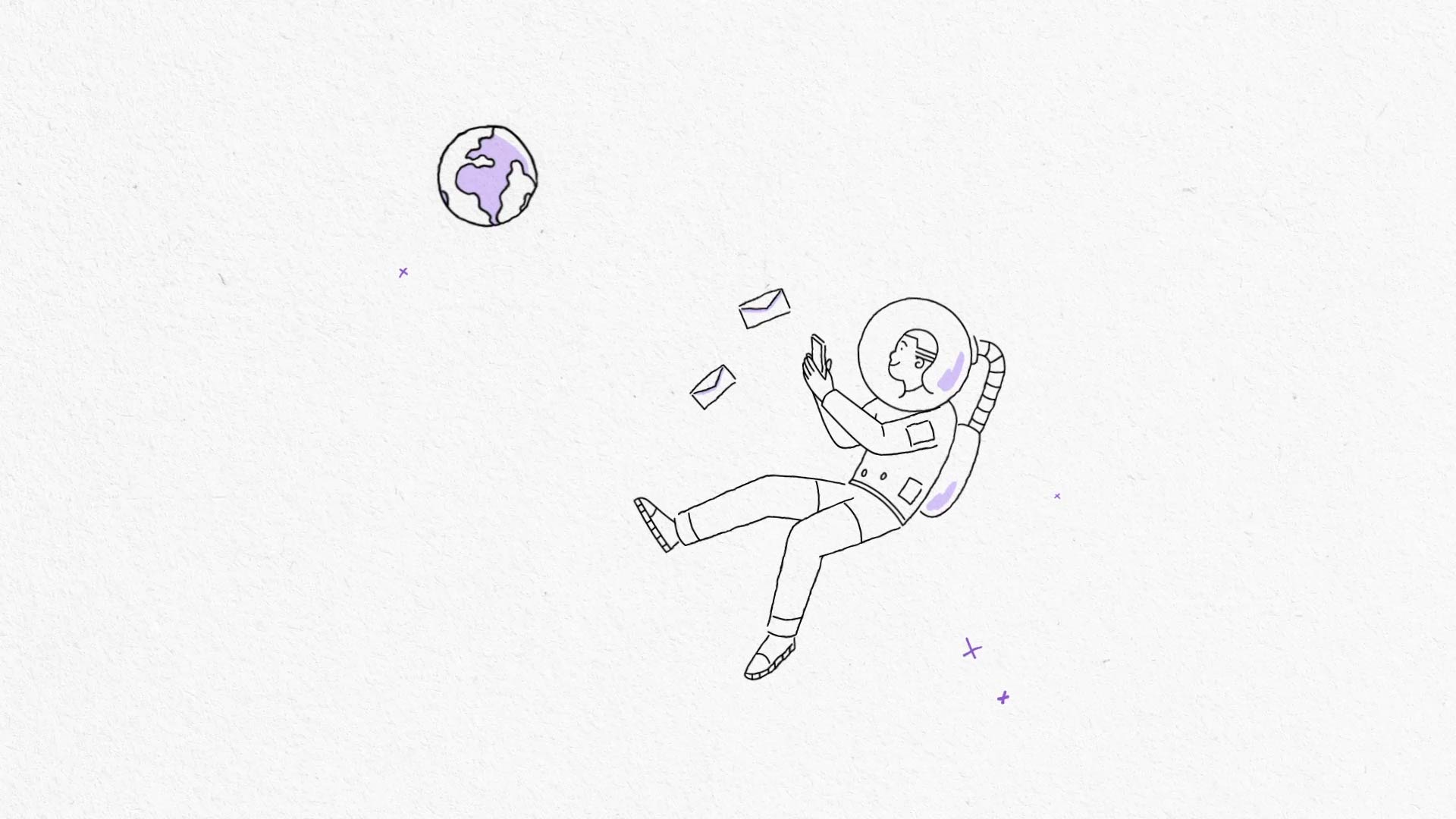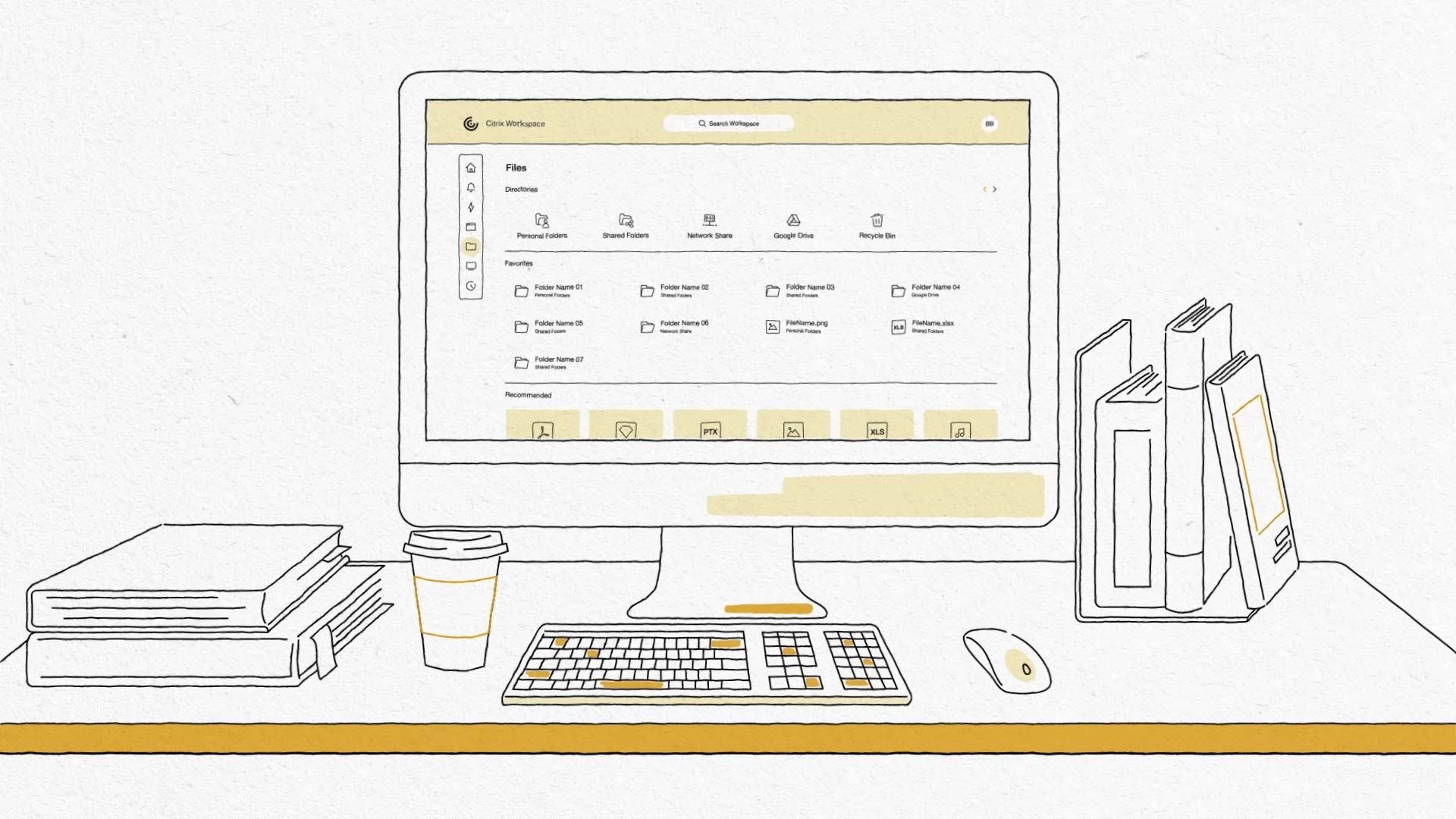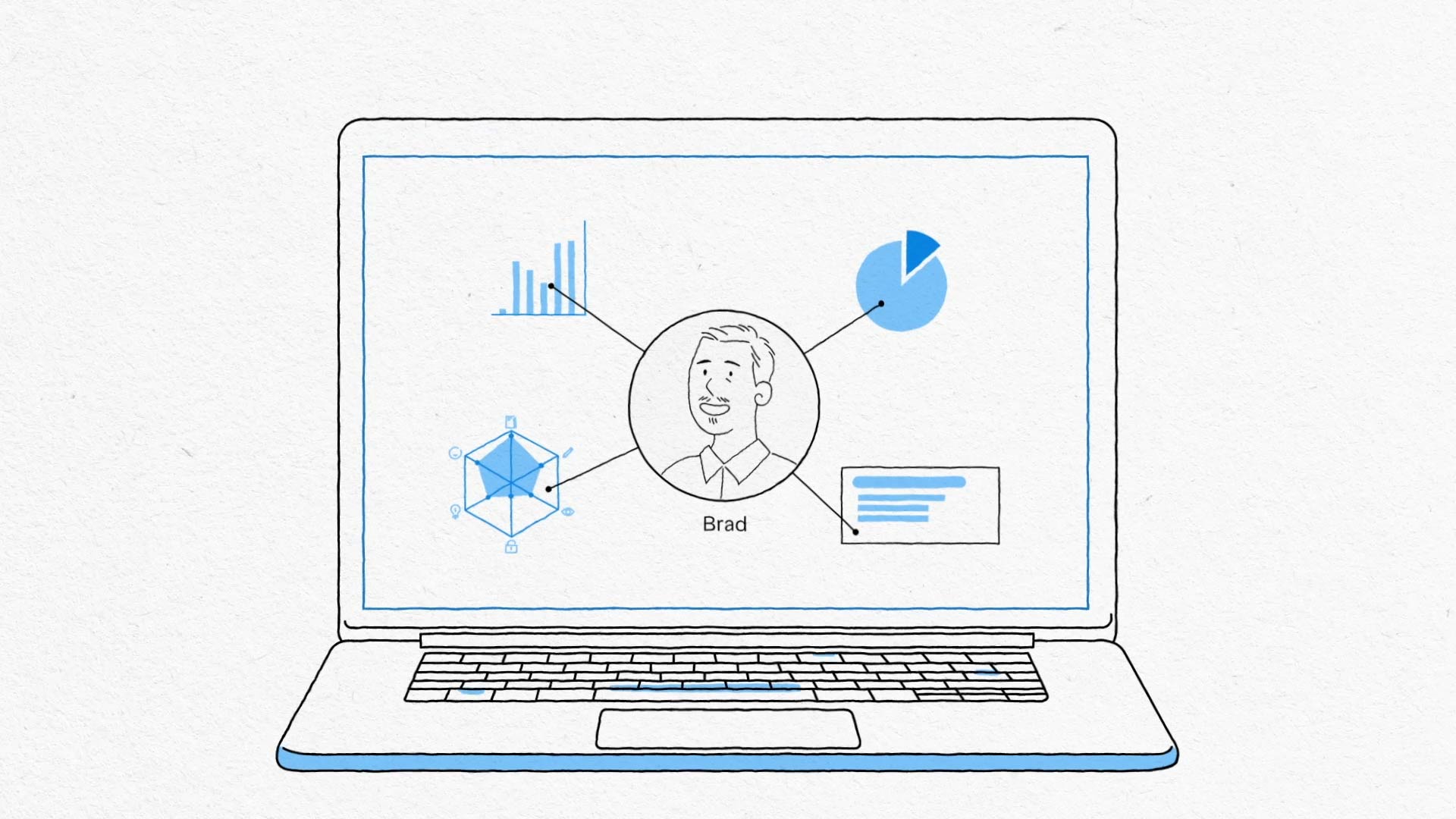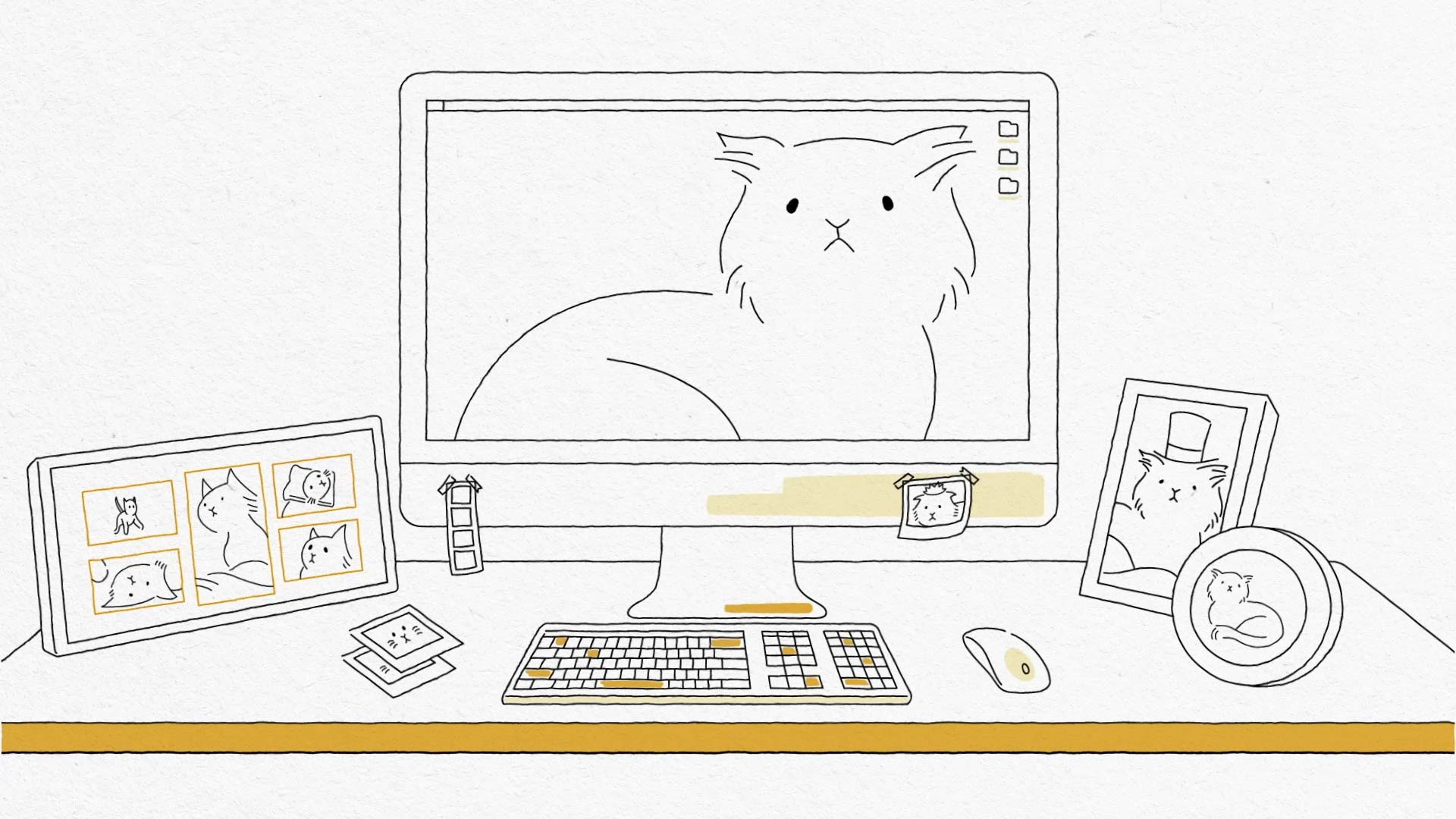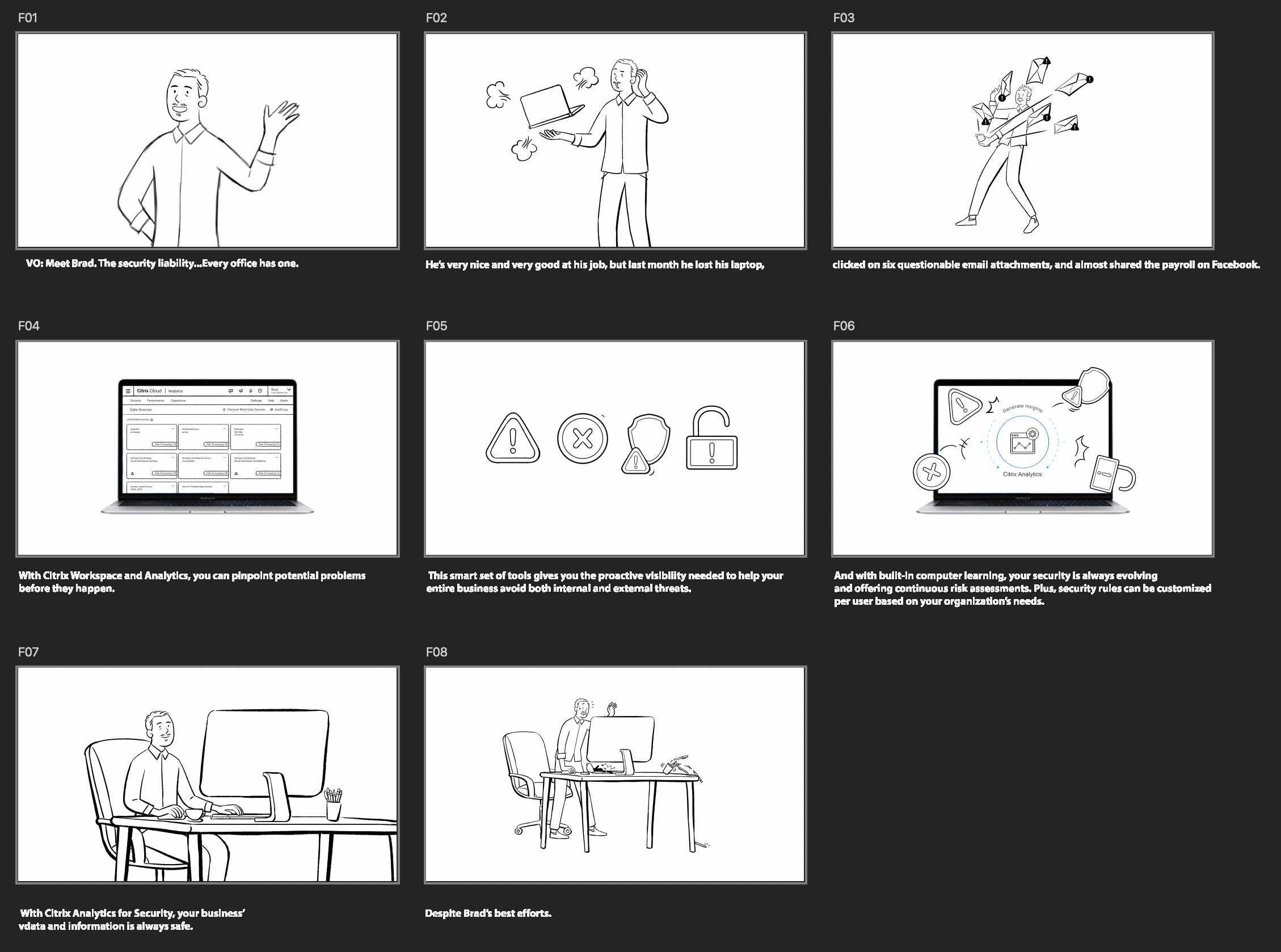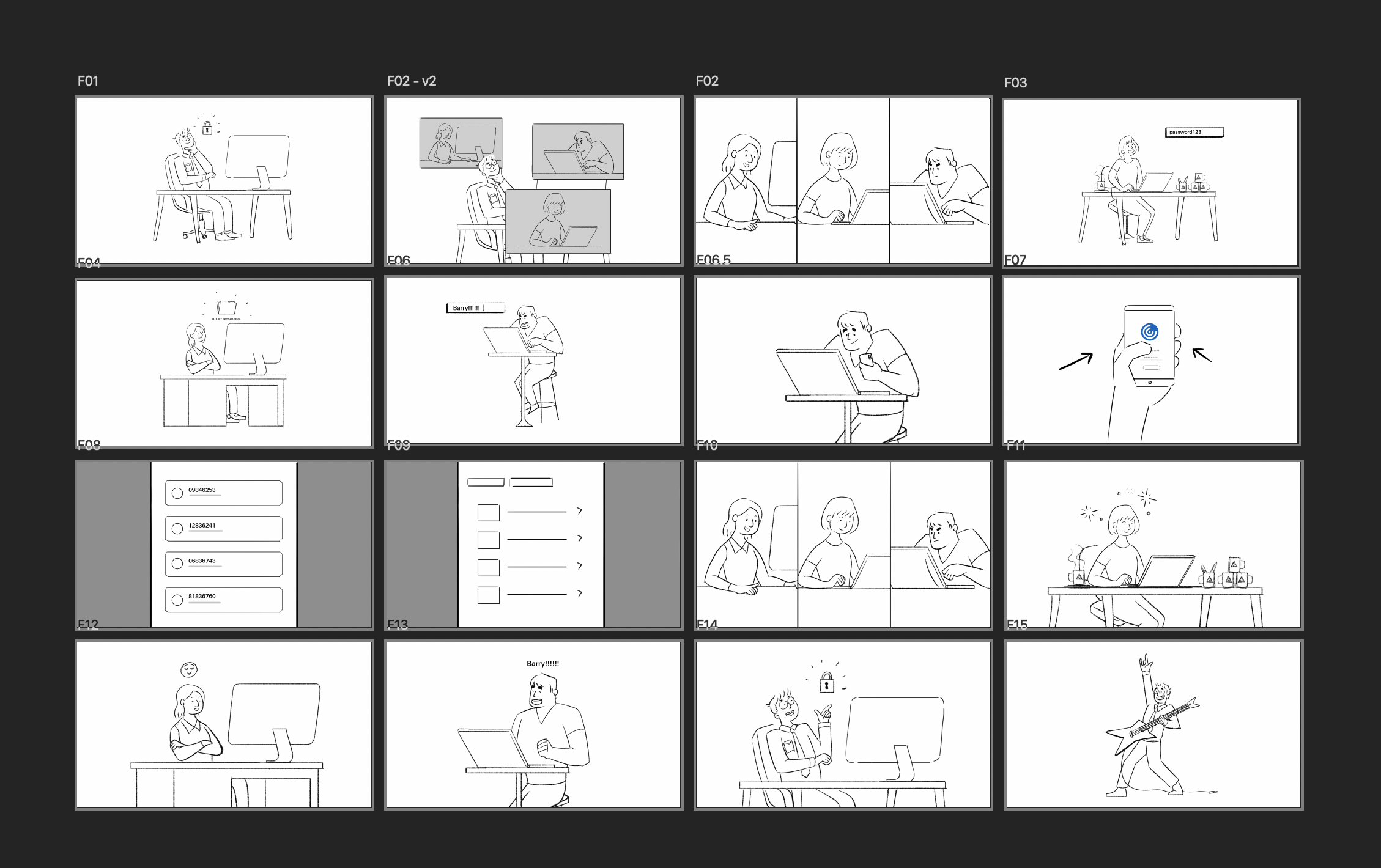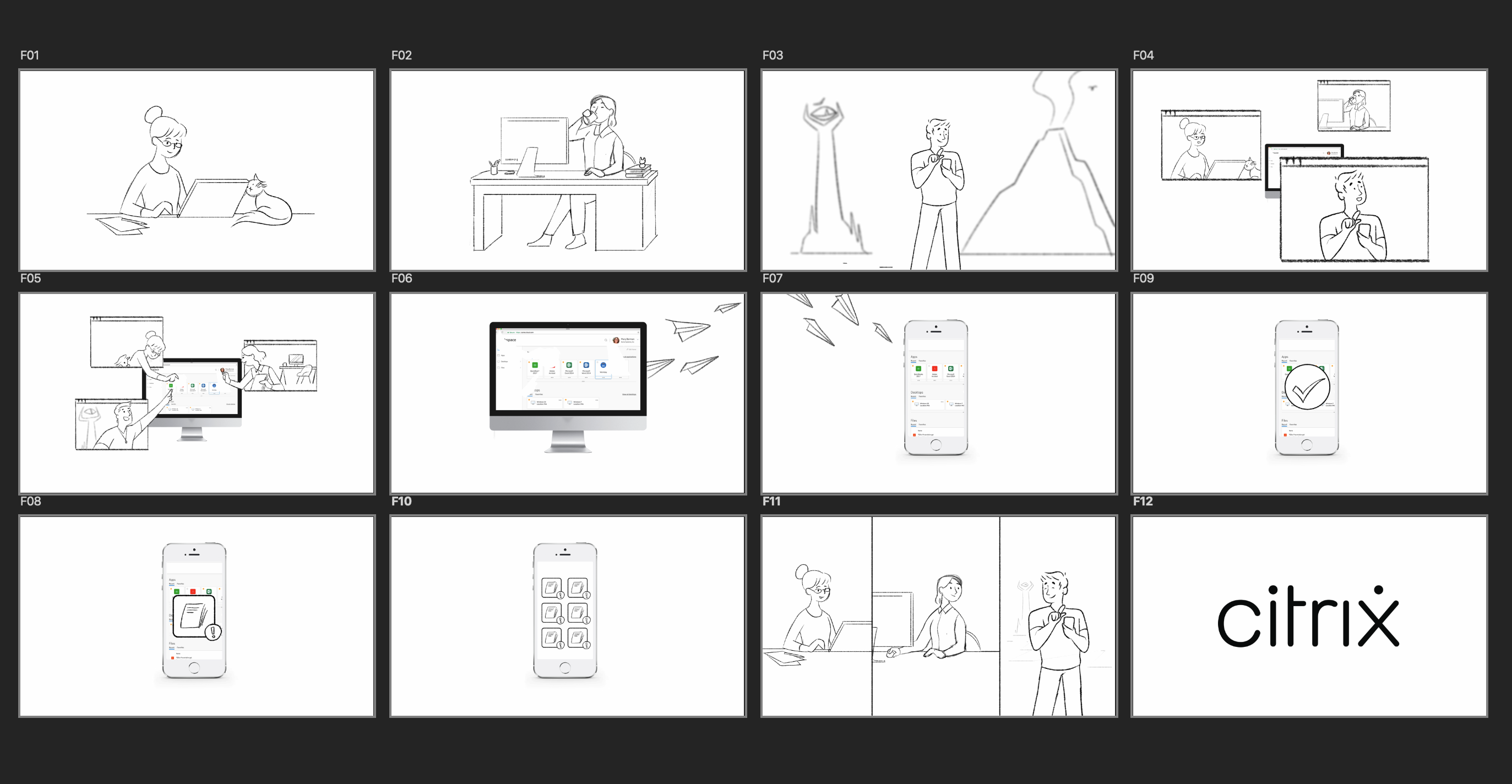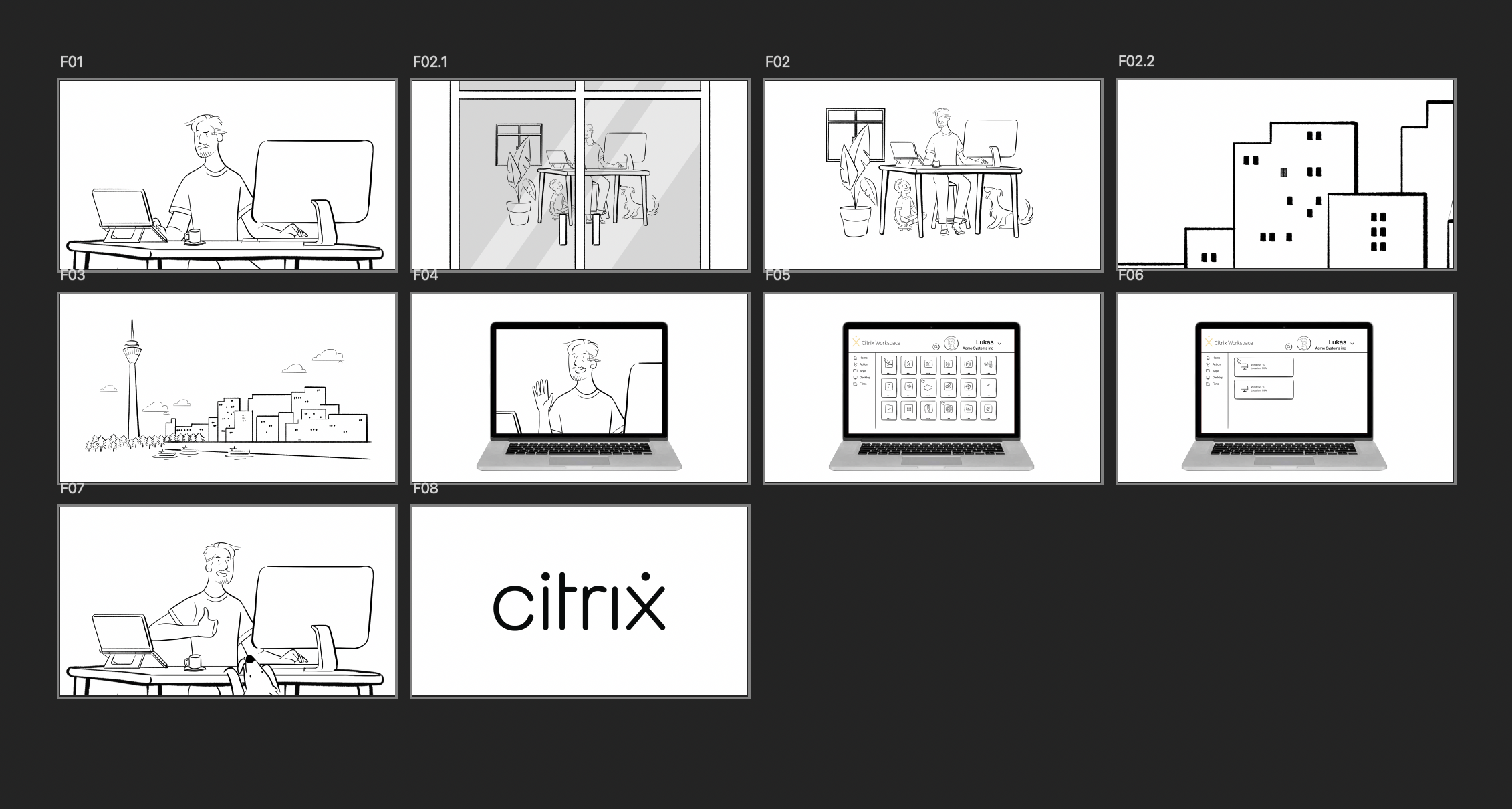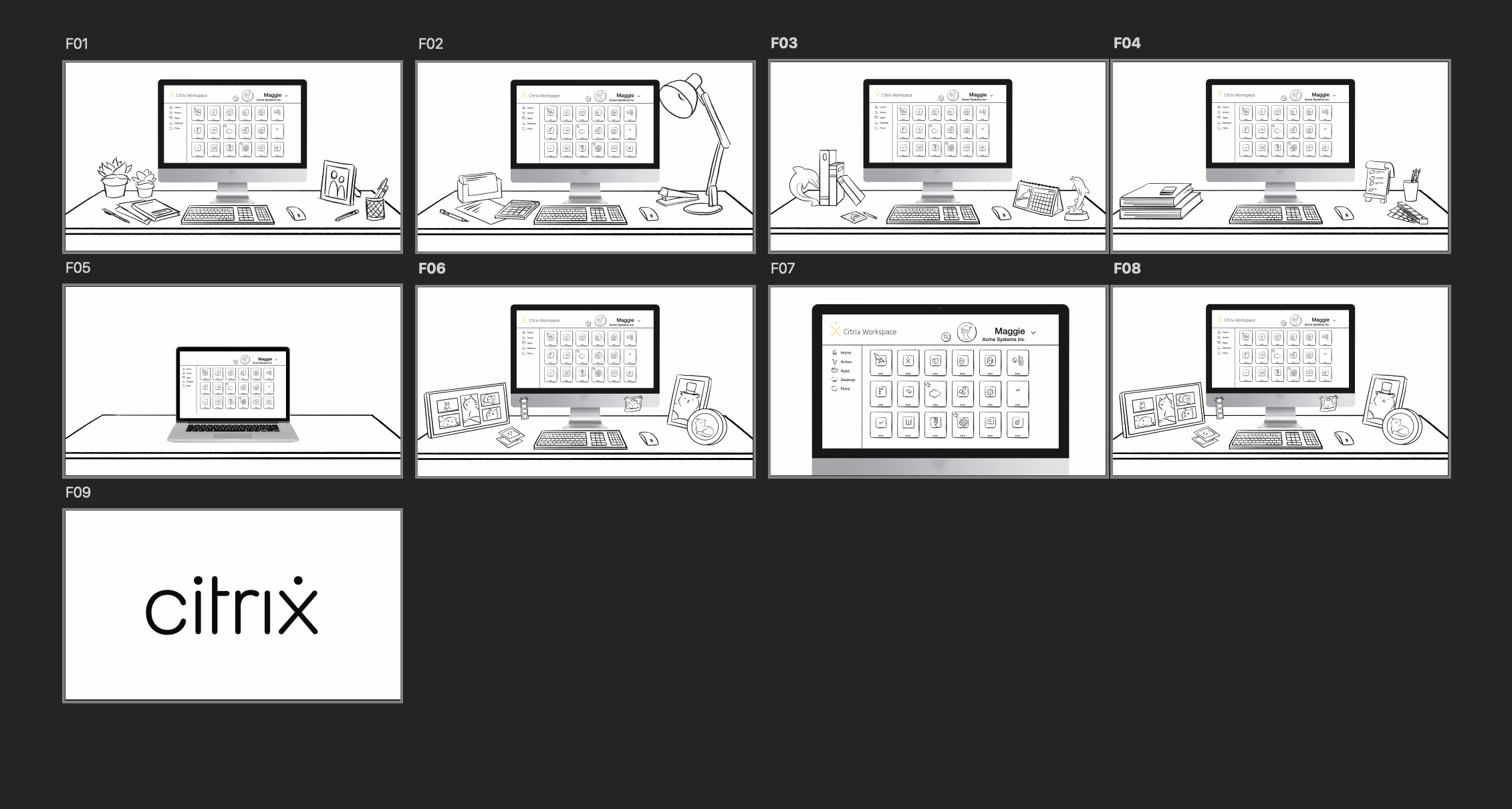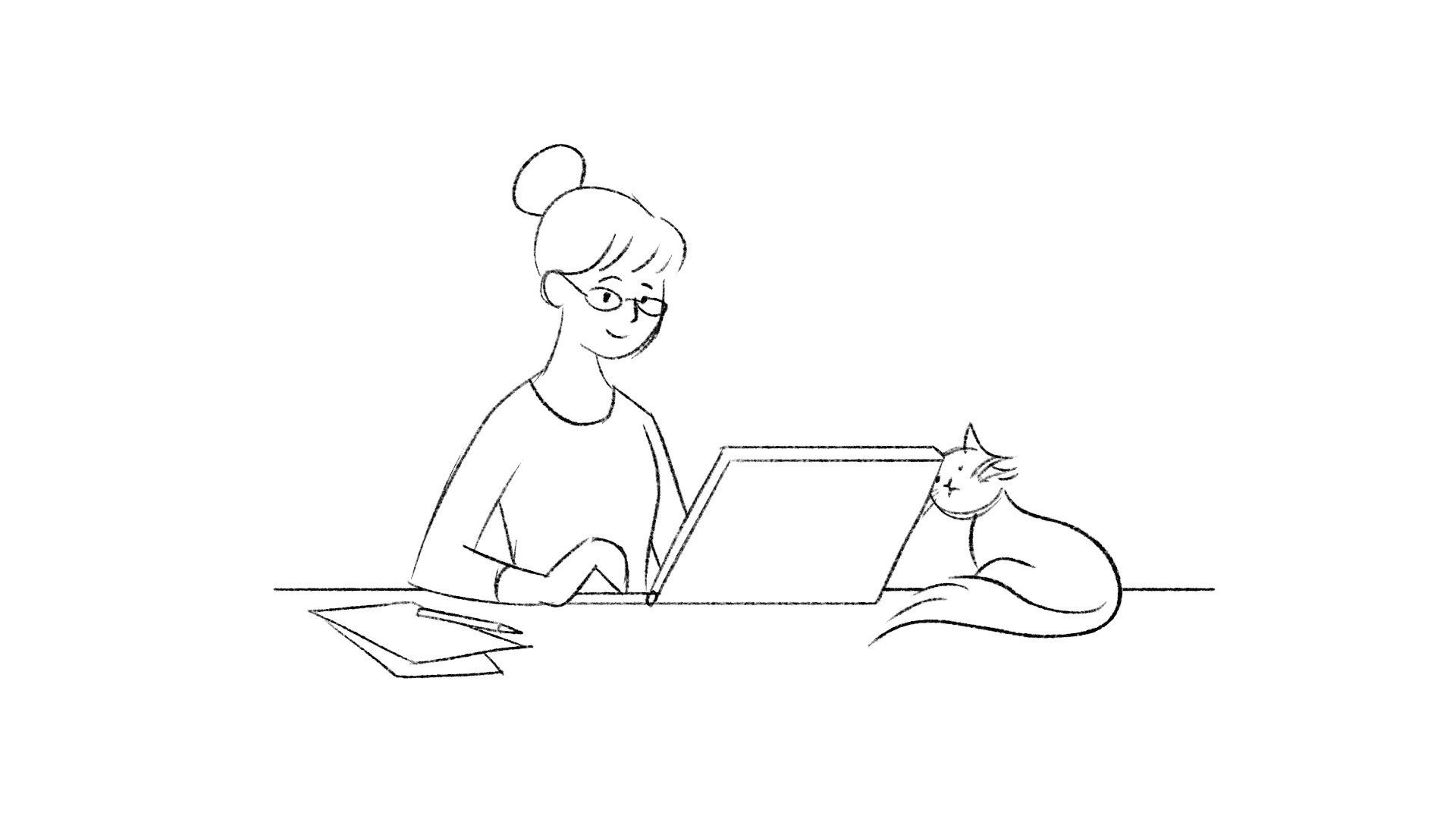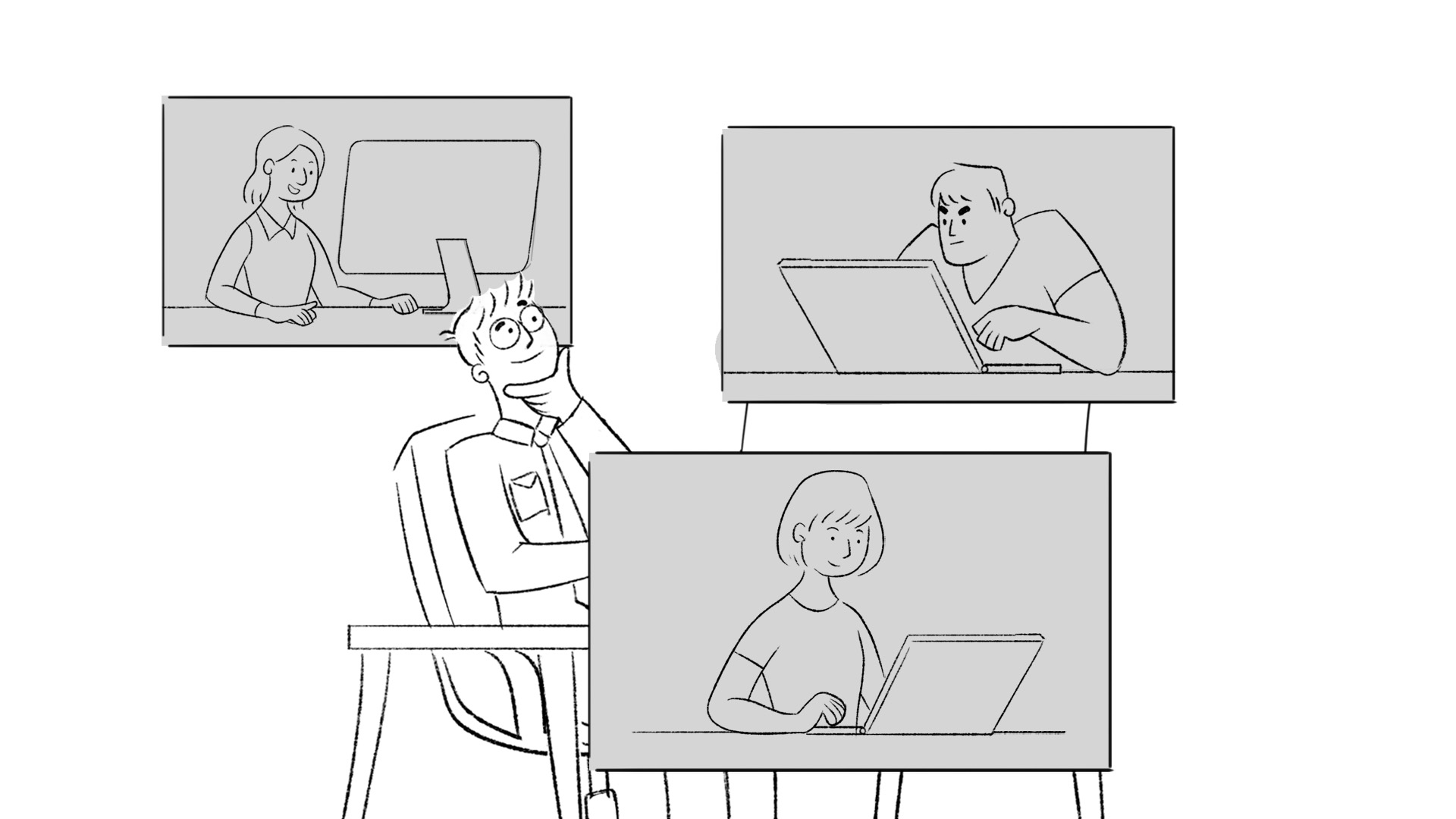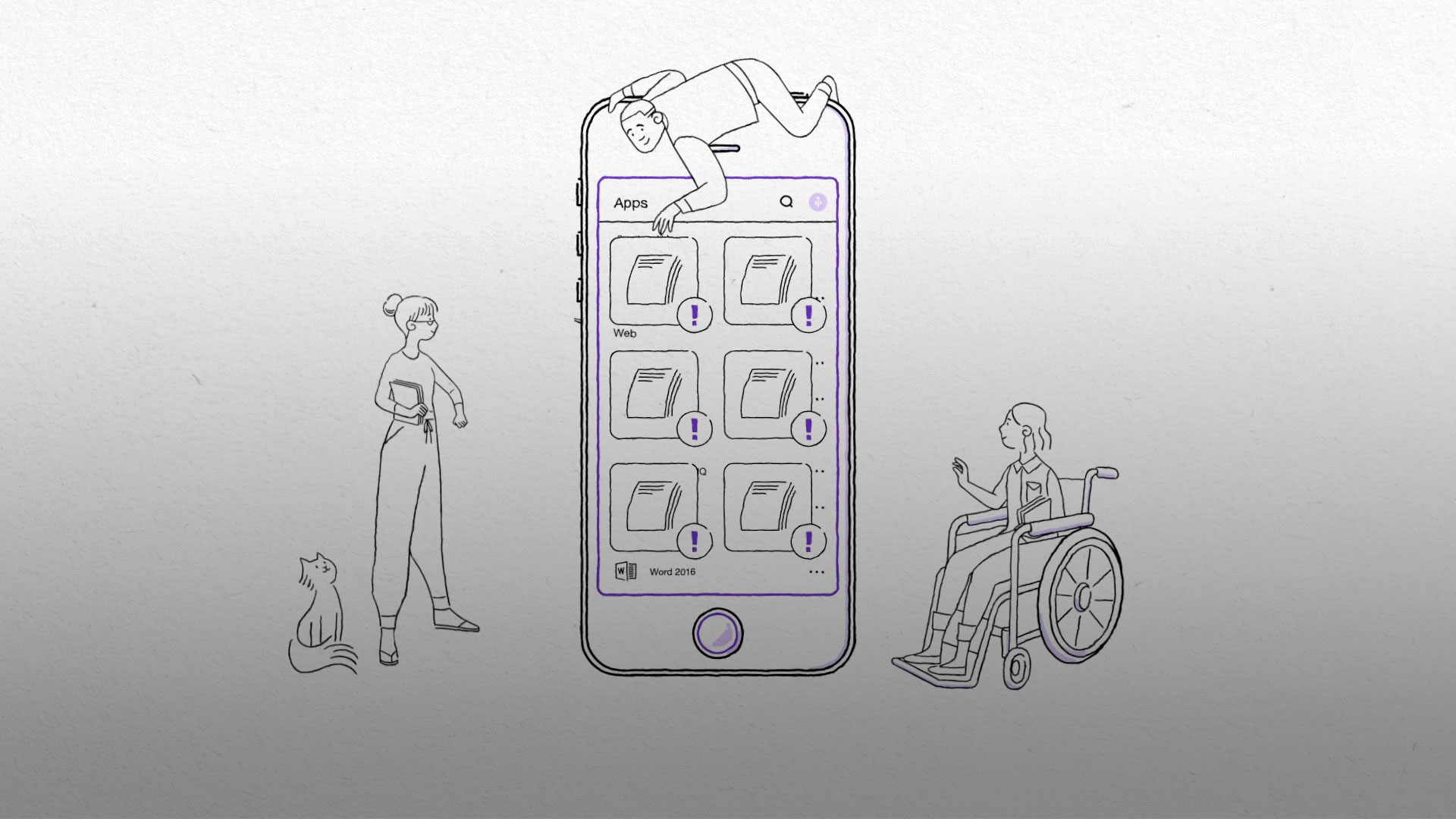
The early conversations set the tone. The agency wanted diversity that wasn’t decorative. They wanted characters shaped by actual lives, not brand archetypes. That responsibility came to us. Translate intention into form. Make inclusion visible without announcing itself. Scripts introduced people we all know. Emma reusing the same password everywhere. Claire burying logins in a “top secret” folder. Barry adding exclamation points until a password groans under its own enthusiasm. Maggie with her cat in the background. Lana in a quiet office. Michael in a space no one can ever place. Lukas logging in from Hawaii or Germany depending on the draft. Each character a small truth from the global workforce.
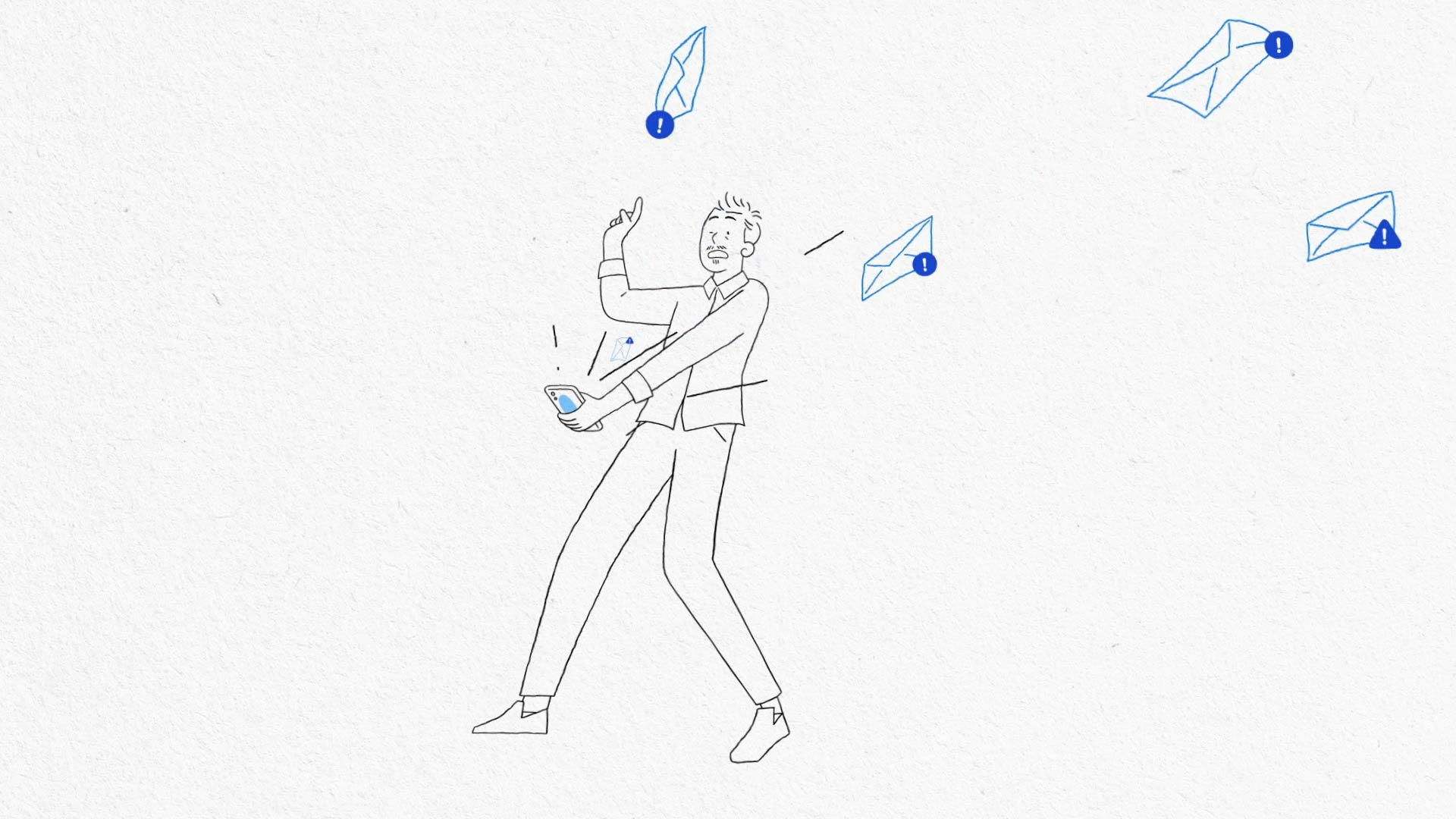
The design took that further. Line work that felt hand-drawn. Textures with human imperfection. Faces informed by a wide range of communities. Details that held culture without performing it. Hair, posture, desk setups, the clutter or the lack of it. A visual language more human than mechanical, more lived than rendered. The storytelling carried the same intention. Collaboration moved across screens and time zones. Security alerts became physical objects bouncing off the workspace. Characters reacted in ways that felt grounded. The humor came from recognition, never from exaggeration. As the series released, collaborators called out the craft. Third-party case studies surfaced. The films entered reels and public showcases. The product debates continued online, but the storytelling stood apart. It worked because it centered people, not software.