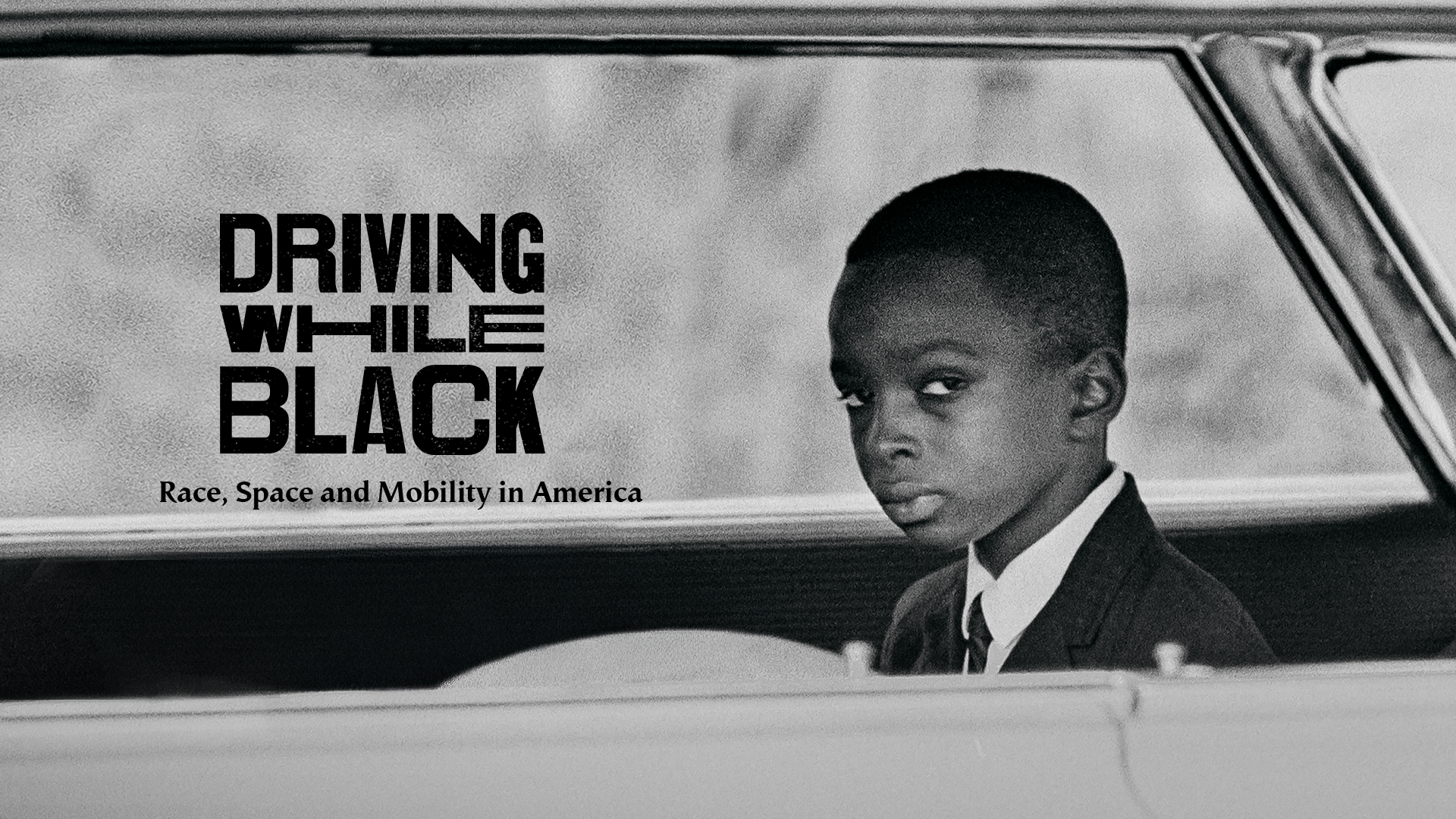
PBS × Steeplechase Films
Driving While Black: Race, Space and Mobility in America
The American road promised freedom. For Black Americans, that freedom came with boundaries.
Why It Matters

The automobile transformed America. It offered independence and access to a country newly connected by roads.

But access was never equal.

Driving While Black: Race, Space and Mobility in America
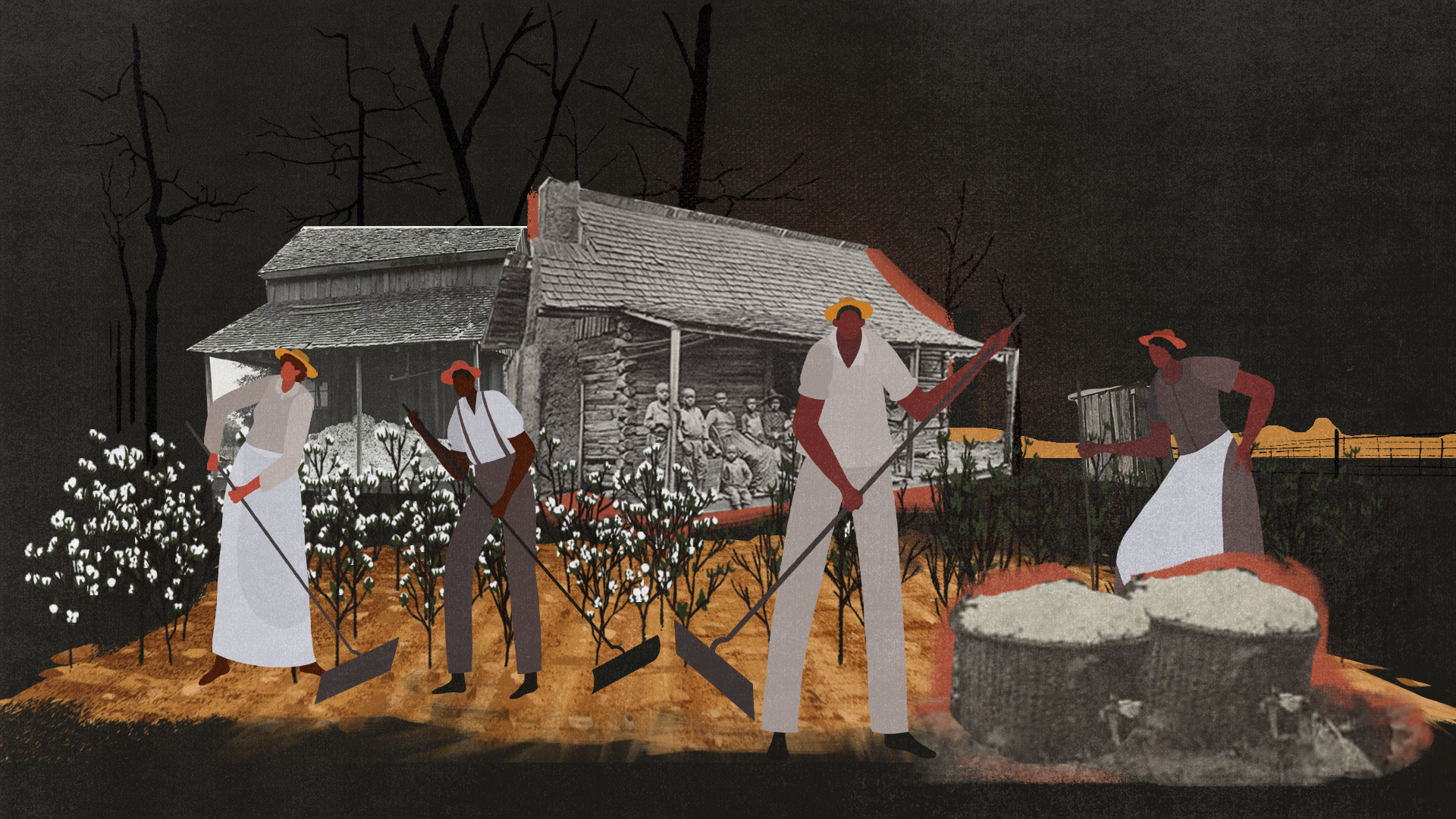
traces how centuries of racial discrimination shaped the movement of Black Americans, from slavery and segregation through Jim Crow and into the present day.

The road becomes a way to see a larger American history. Who could move freely. Who had to plan carefully. Who could simply pass through without fear.
‍

What We Made

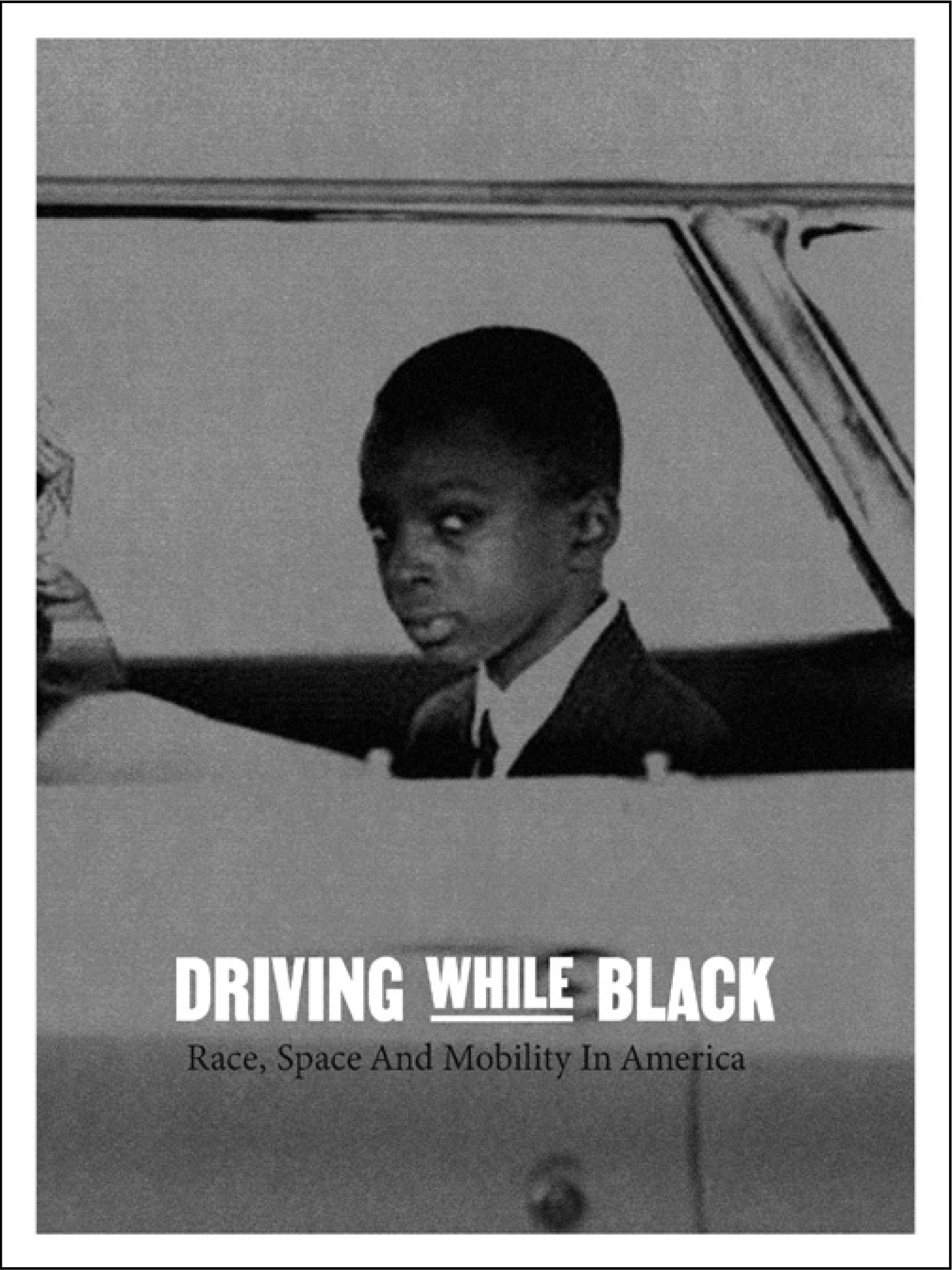
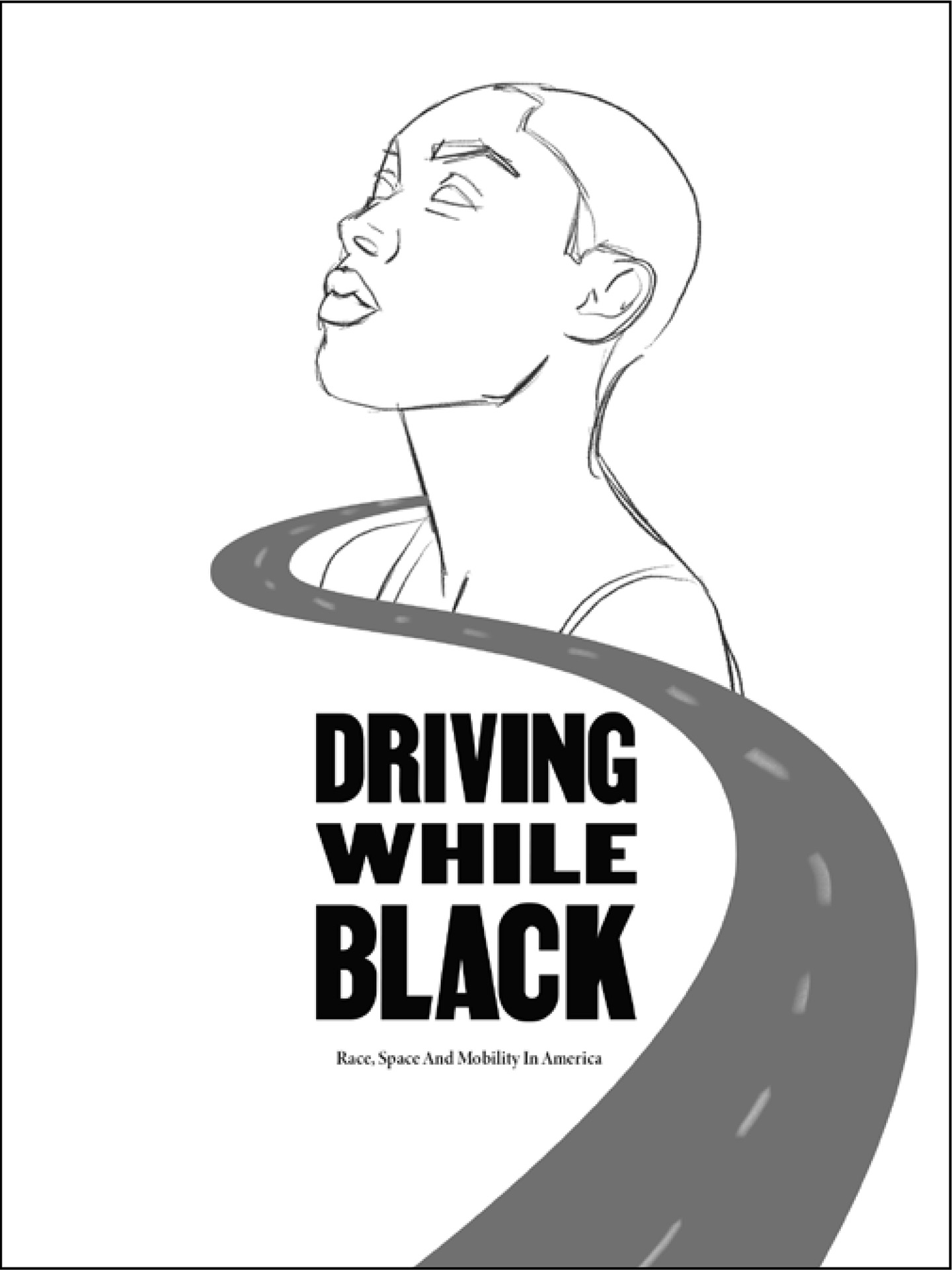
- Key art
- Visual direction
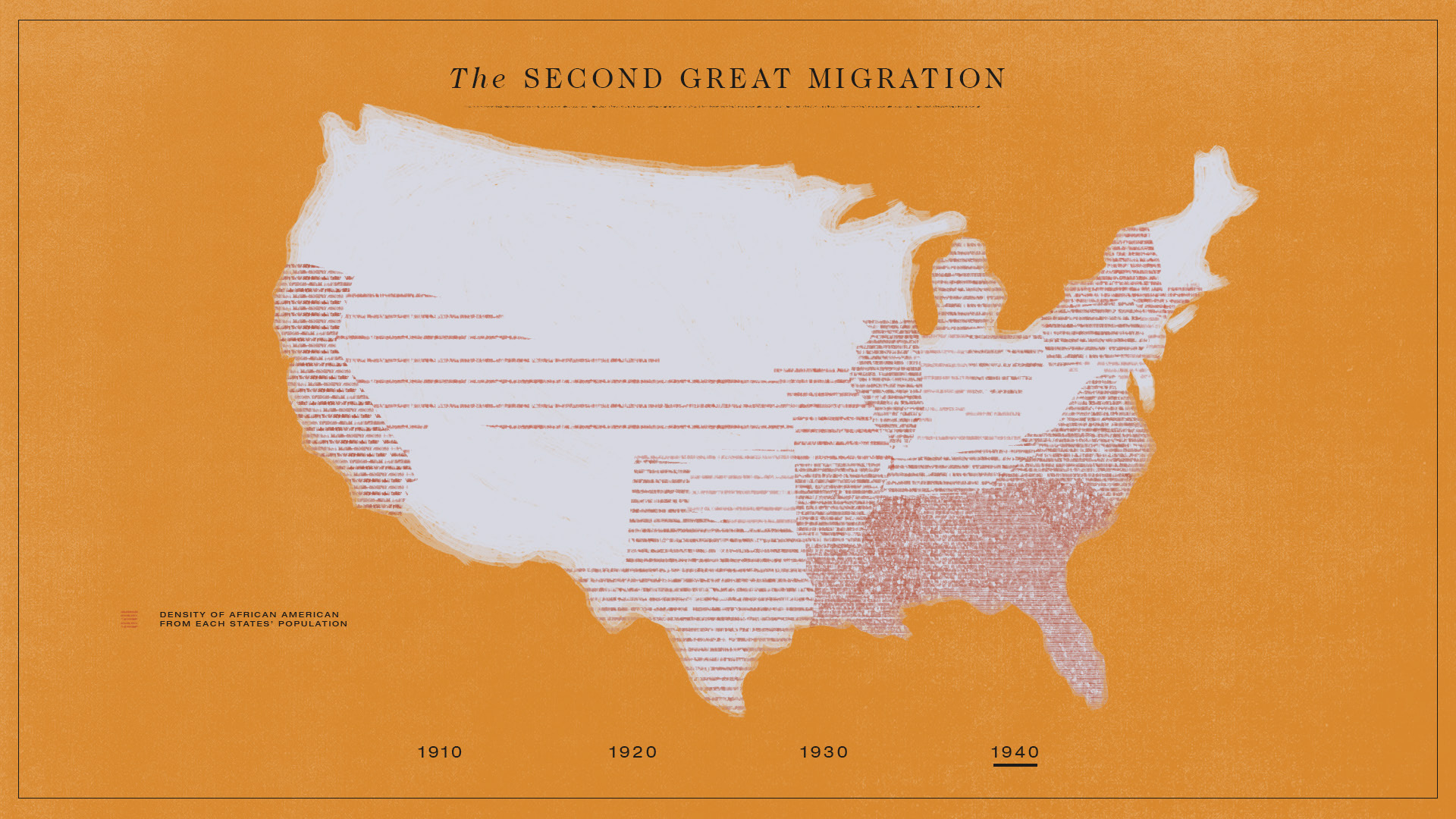
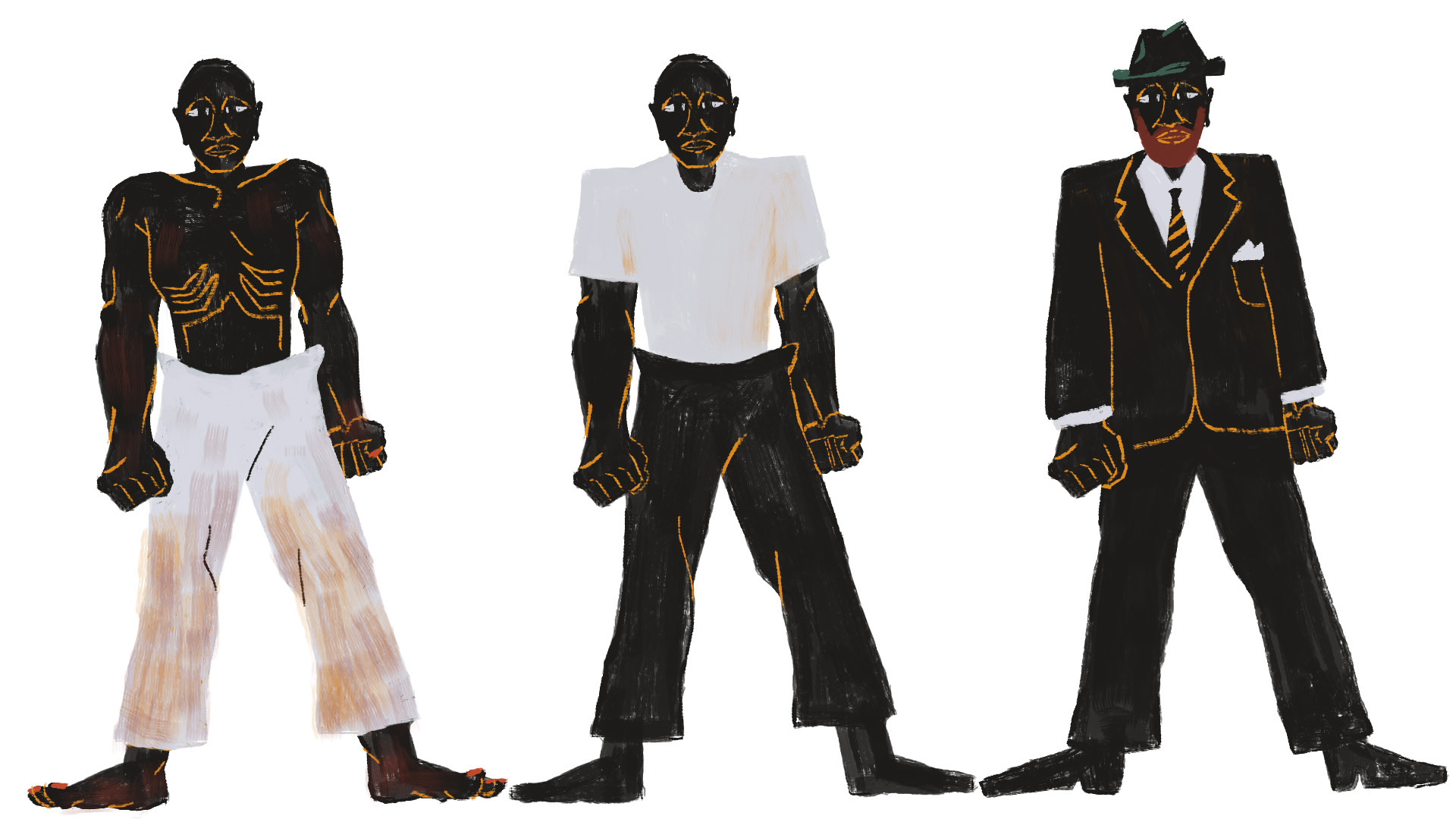
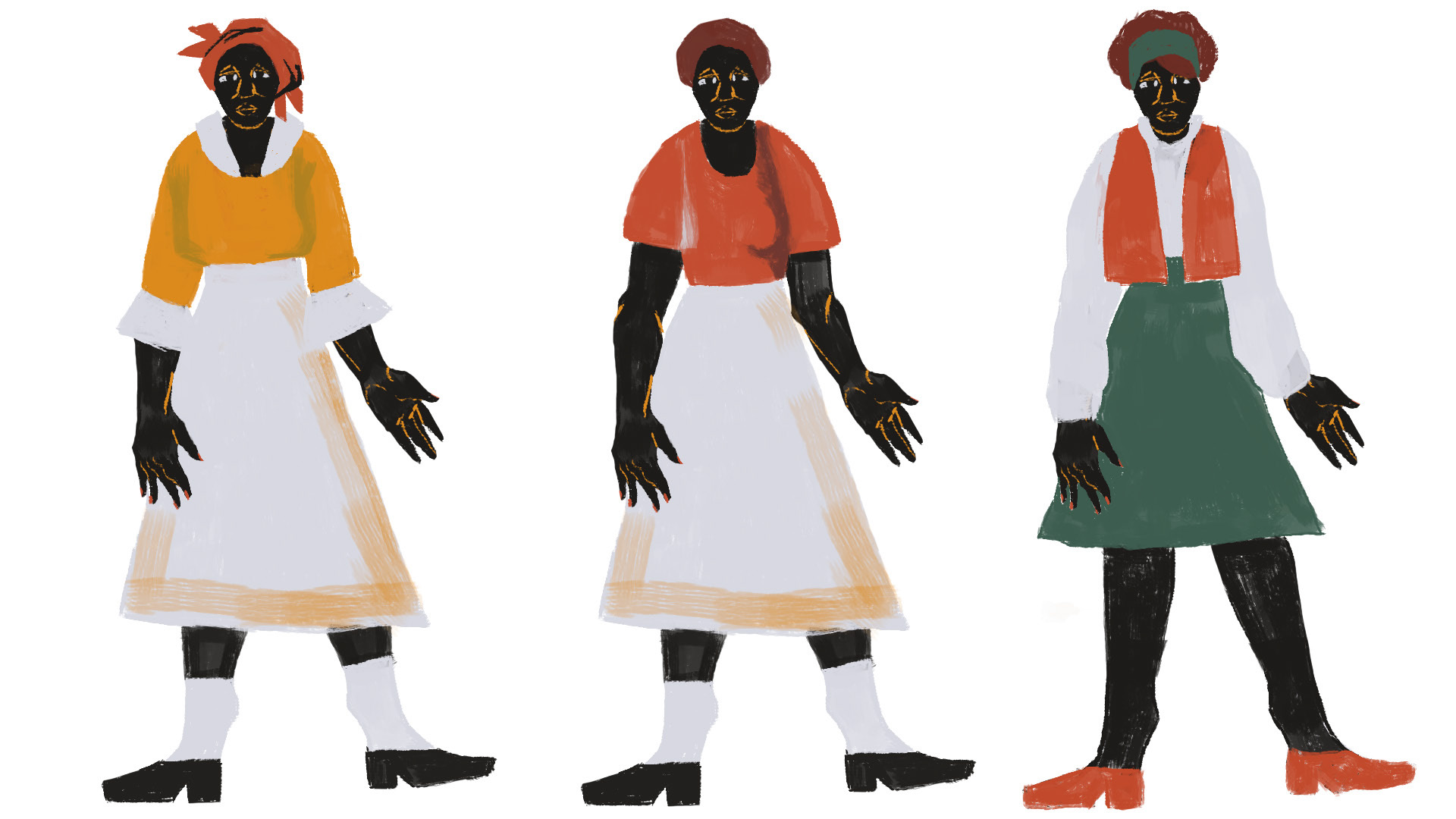
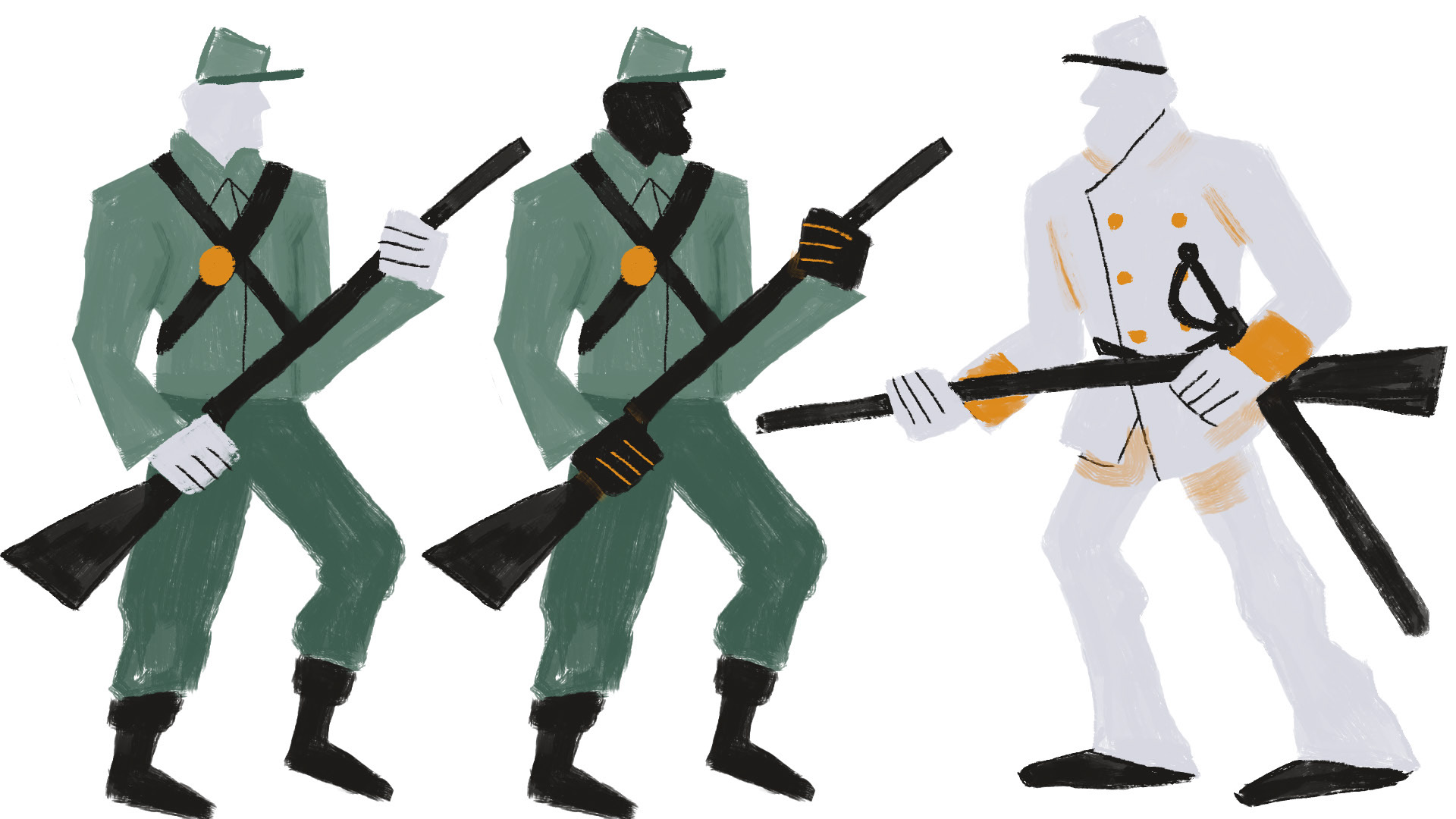
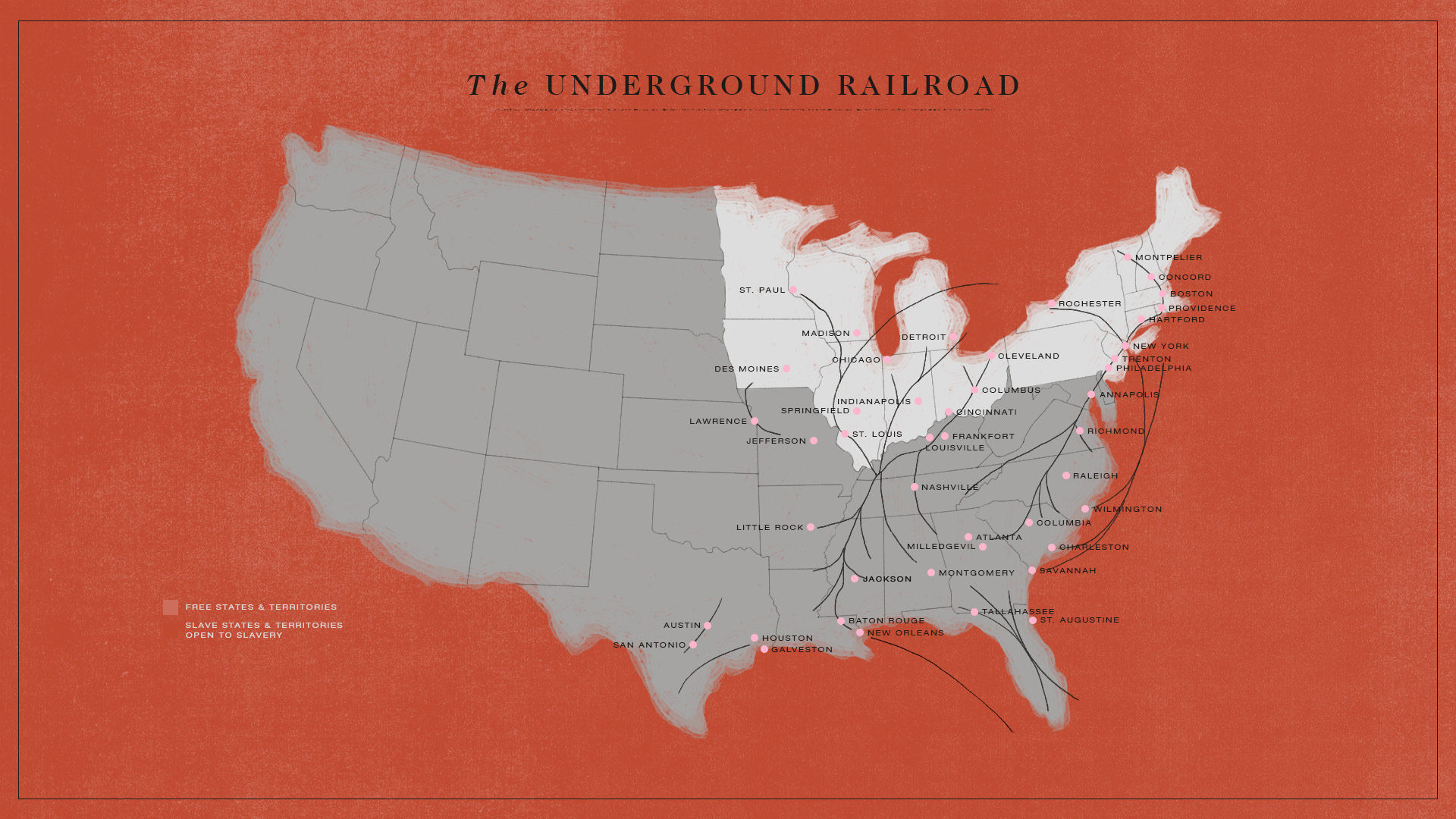
- Documentary graphics
- Animation


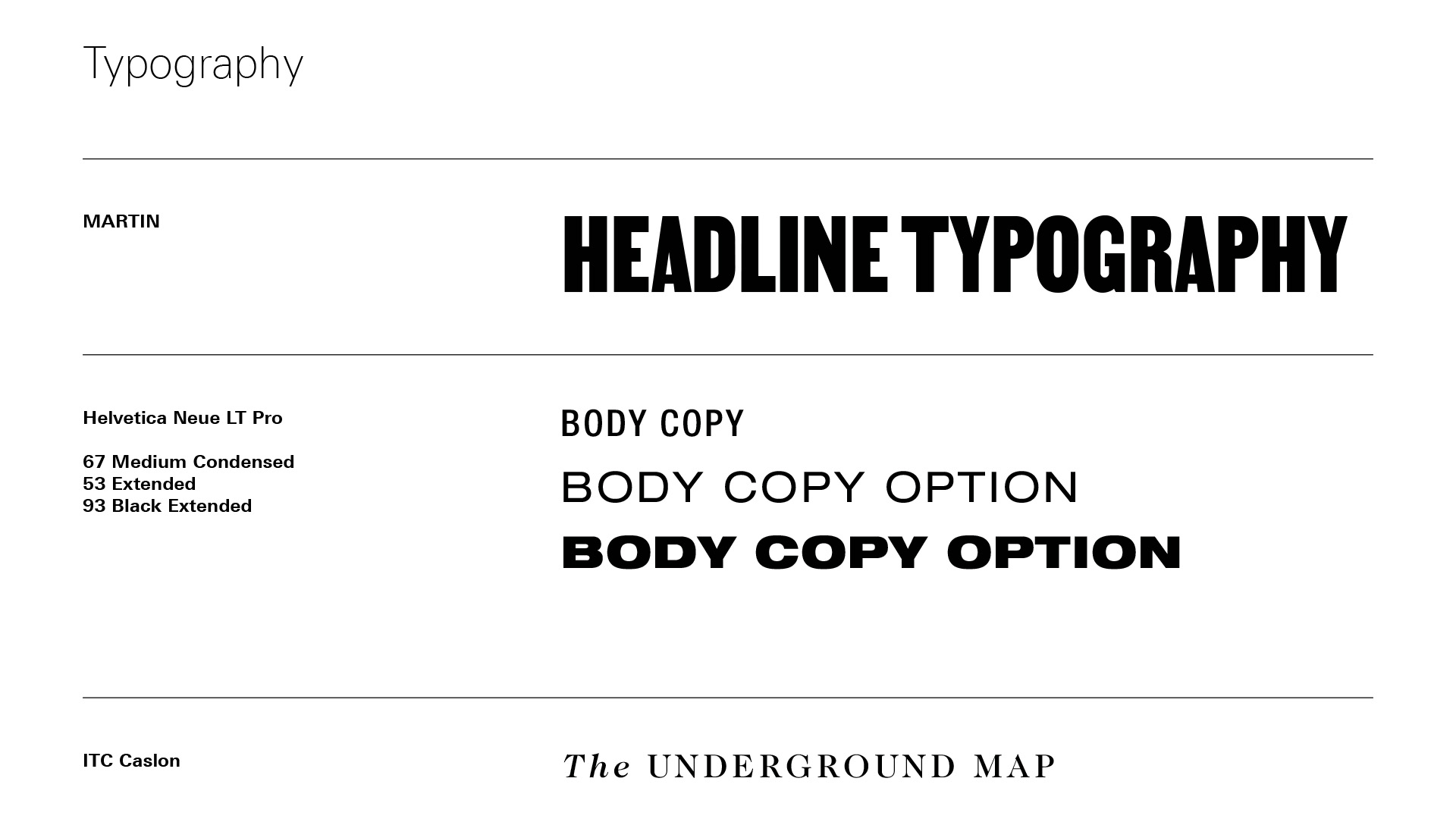
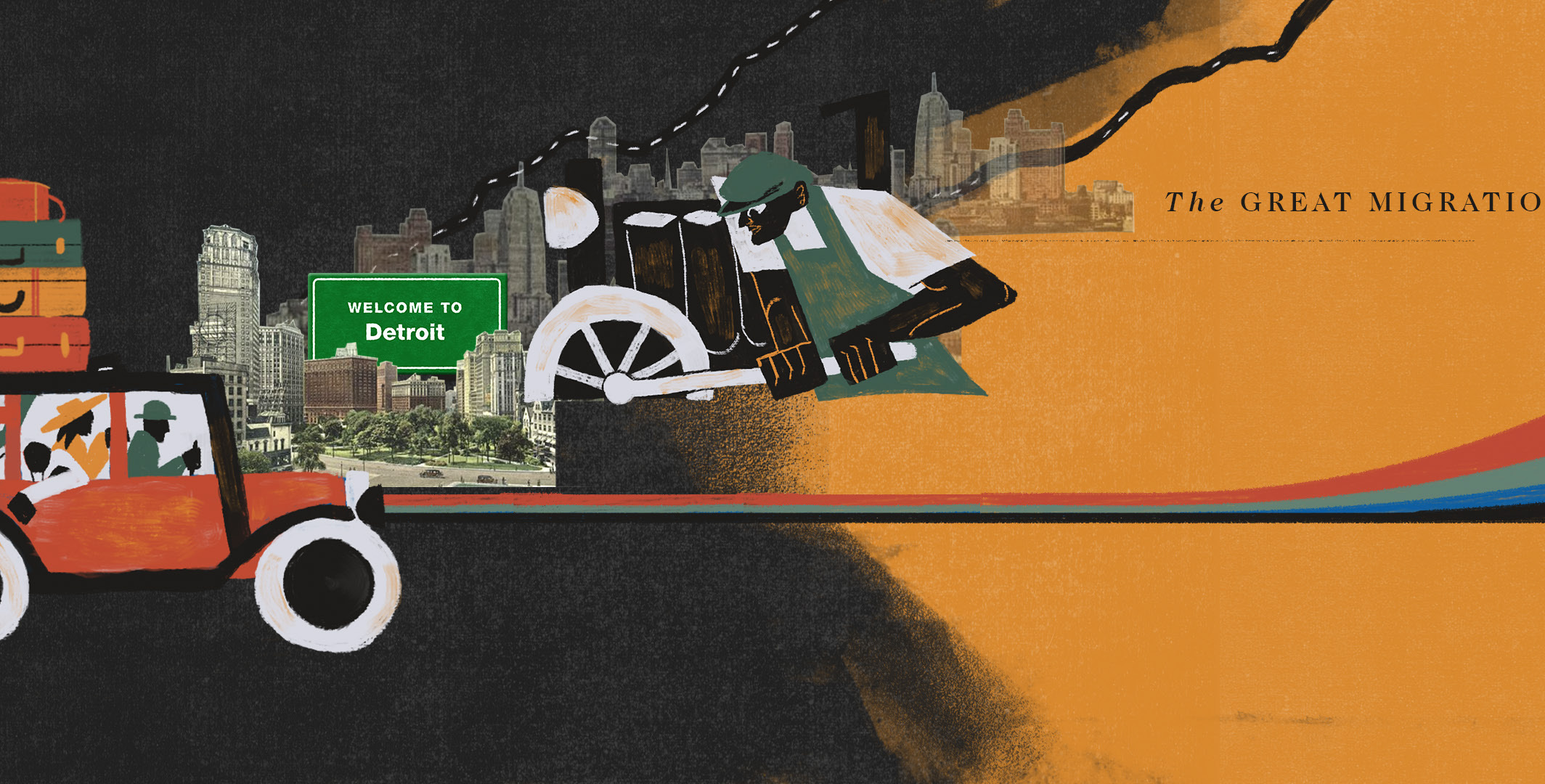
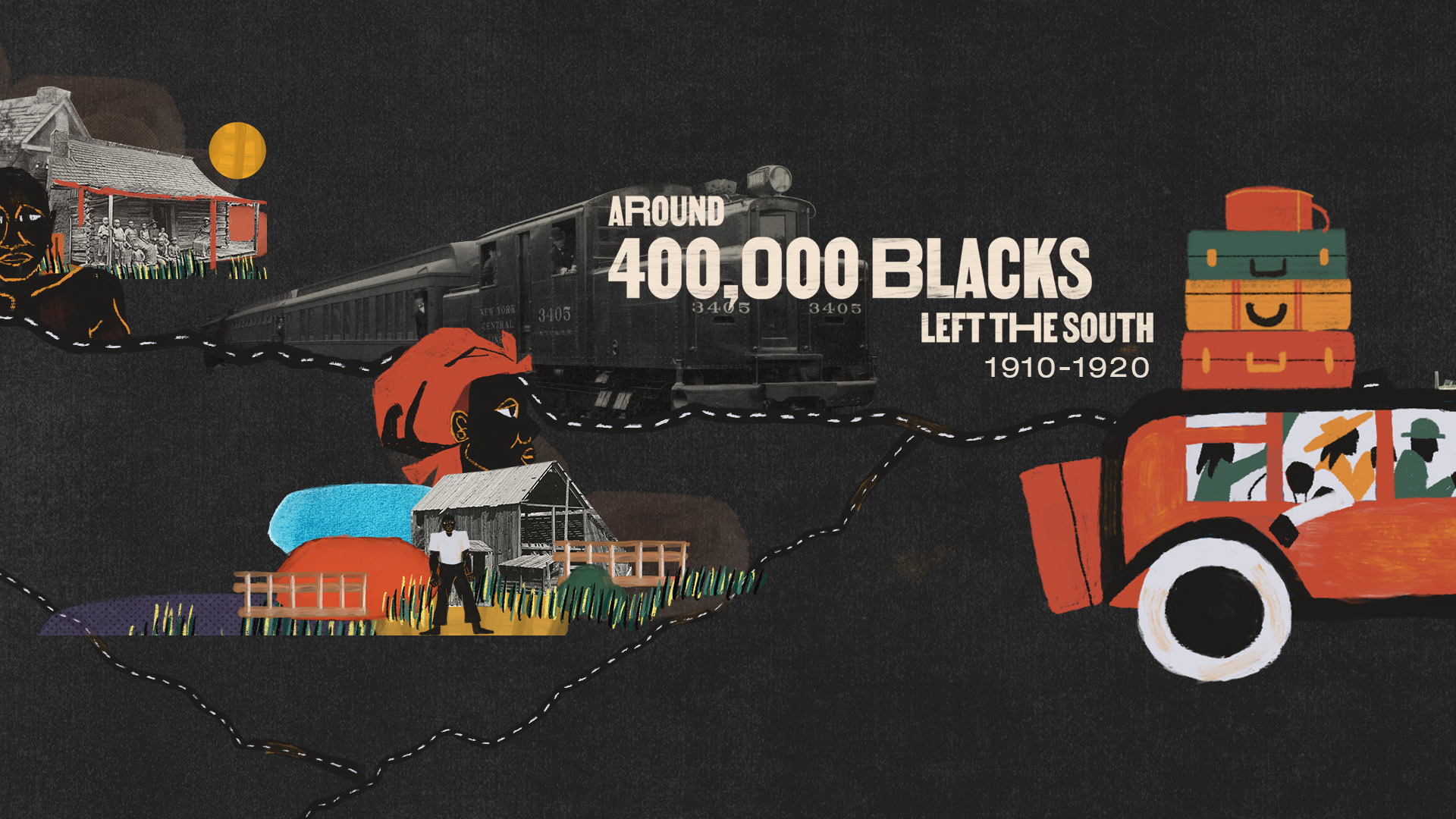
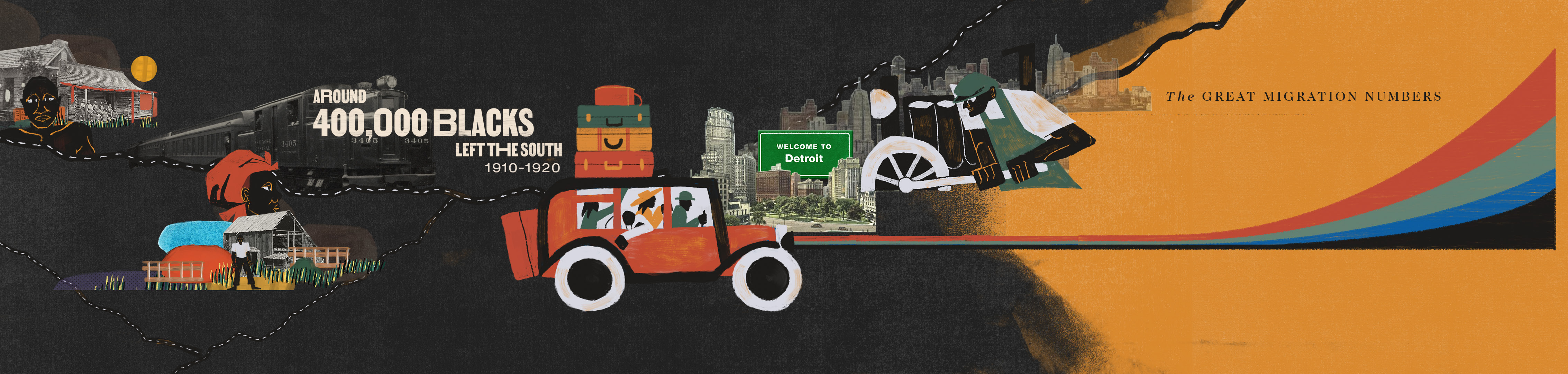
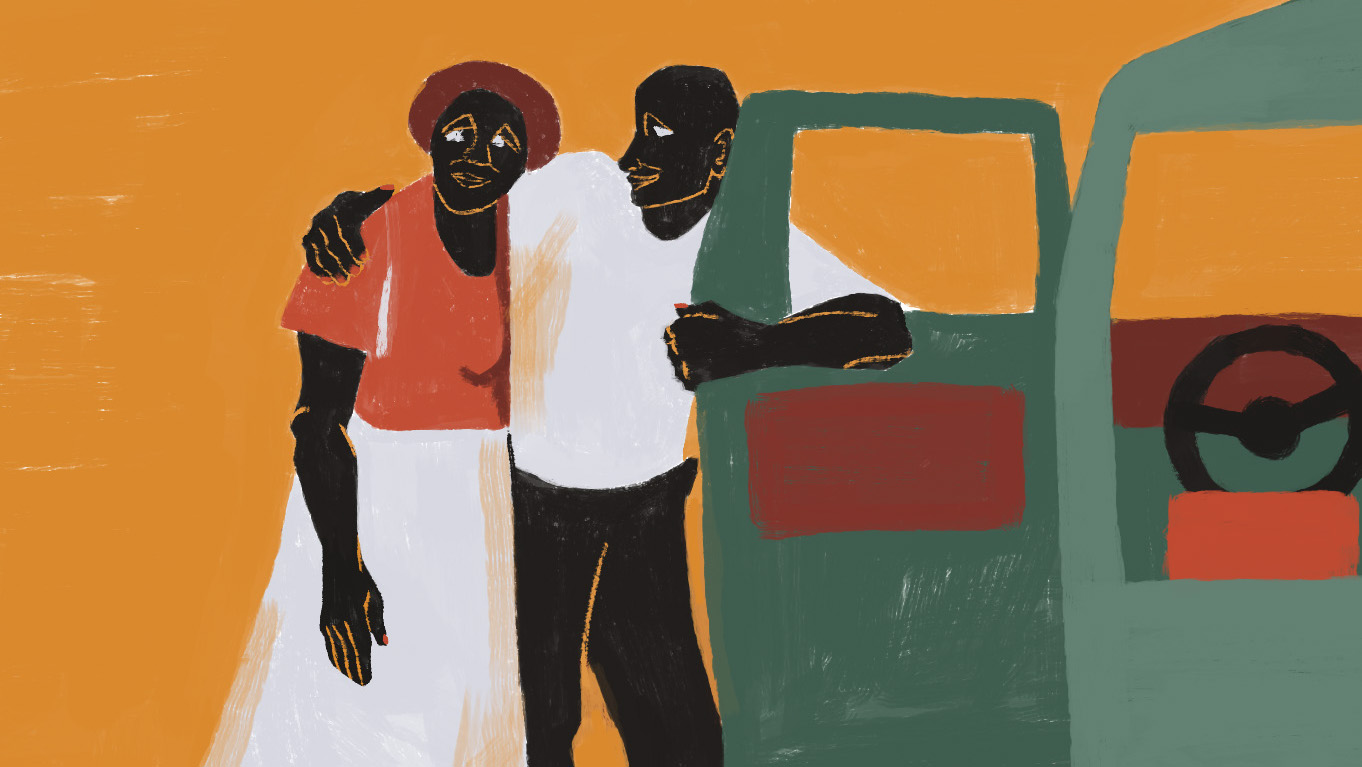
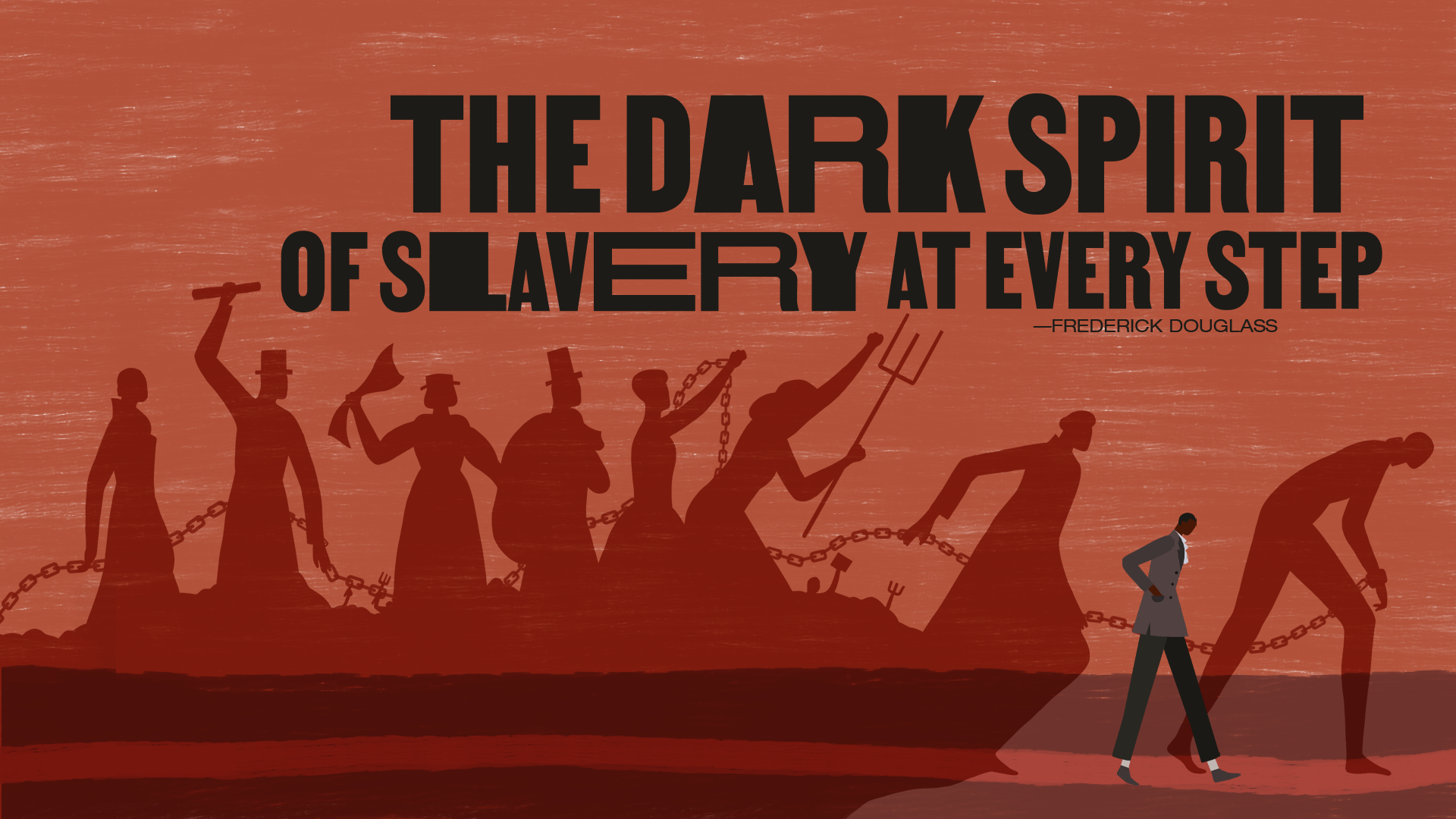
A visual language that carried Black American history across the film and became part of the documentary’s identity across PBS, press and public engagement.

‍

No items found.
Our Approach

The automobile became a symbol of American freedom. For Black Americans, it opened new possibilities while exposing another set of rules about where they could go and how safely they could get there.

That contradiction became the foundation of Rezonate’s visual approach.

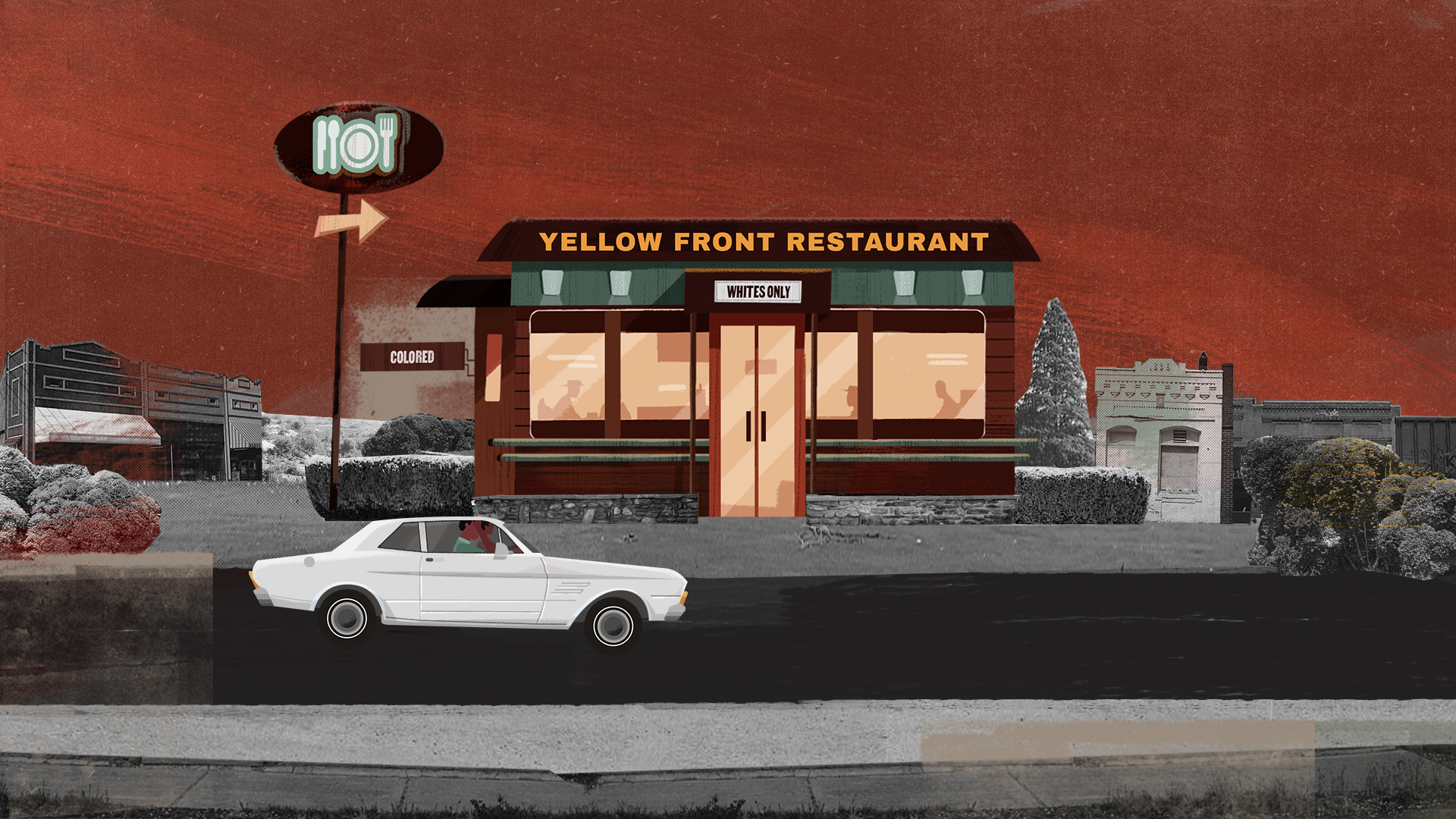
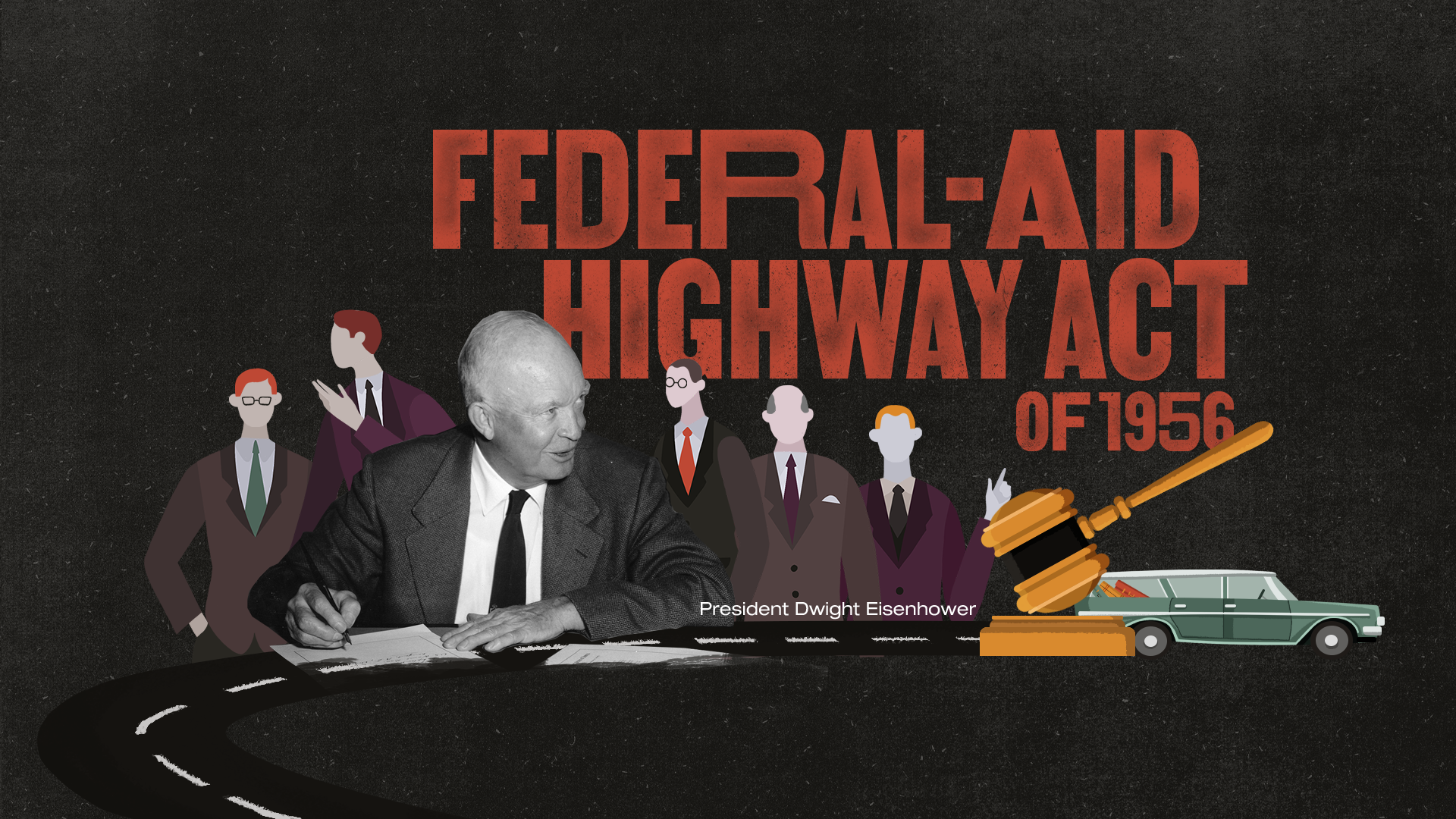
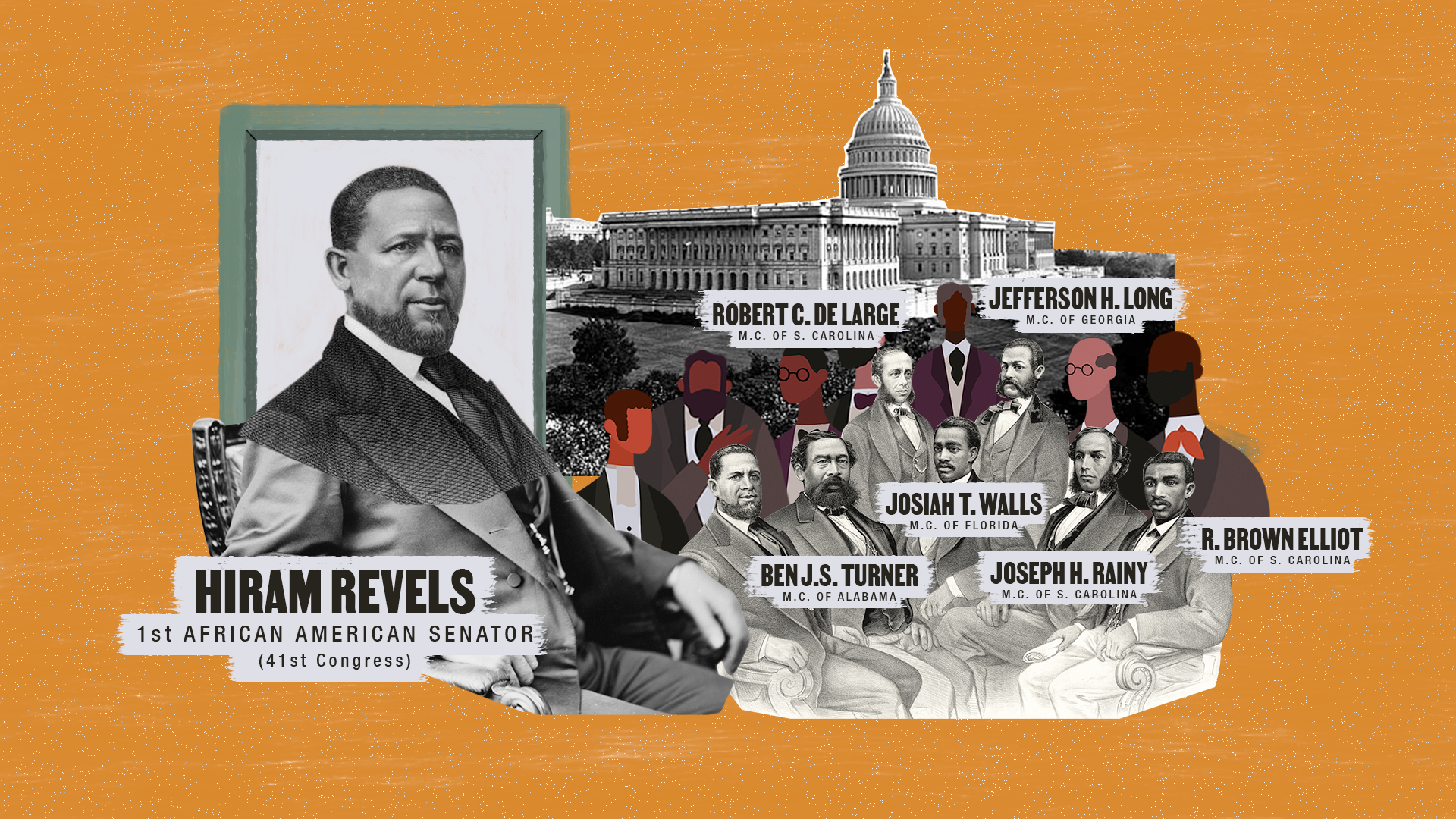
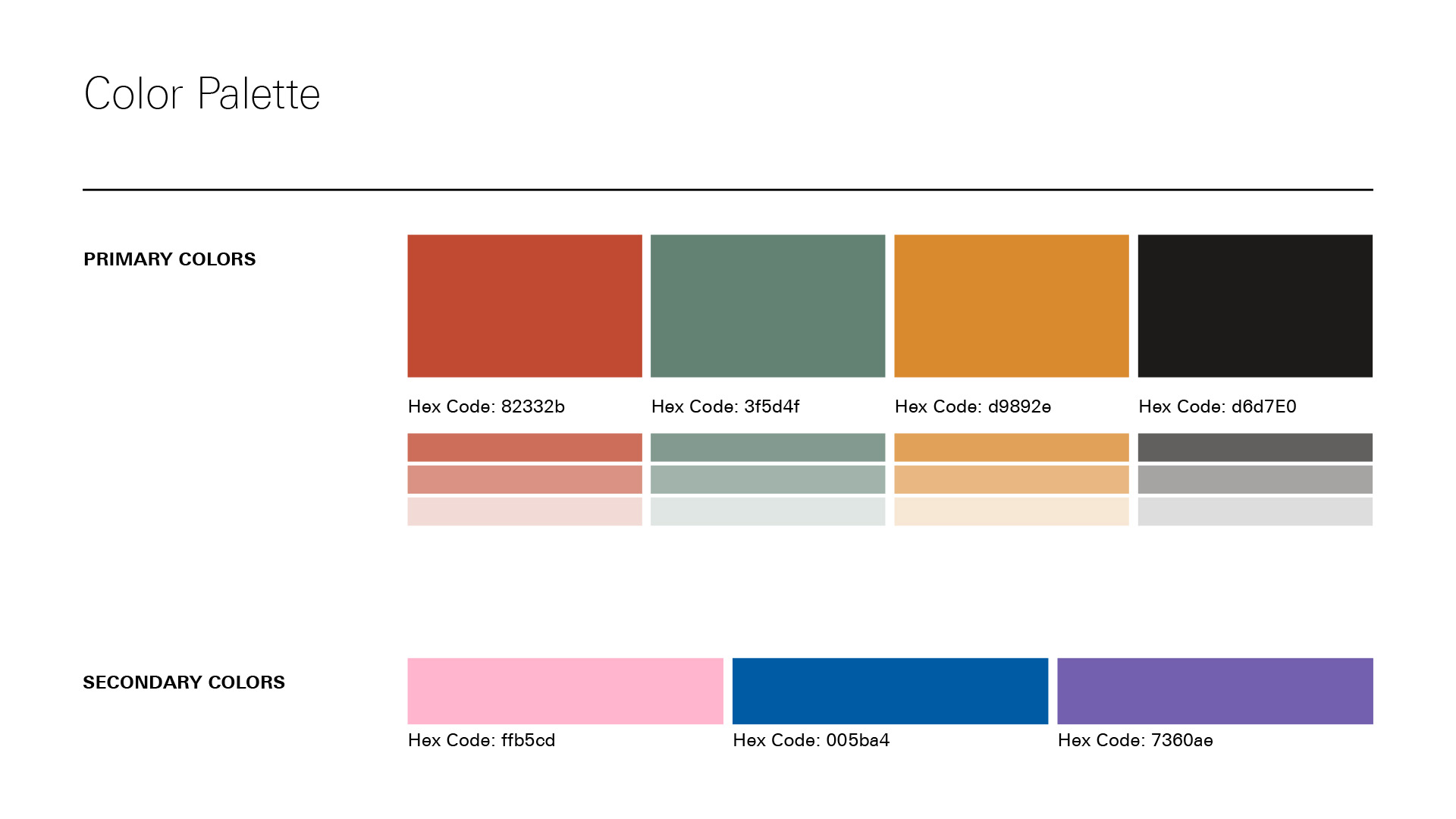
Rather than treating history as archival material to illustrate, Rezonate looked at the visual evidence it left behind. Slave ownership documents. Jim Crow caricatures. Protest signs. Automotive advertising. Maps, roads and the graphic language of an America built around the automobile.

‍

Human mobility and Black history became the two anchors. The work also drew from artists Derrick Adams, Theaster Gates and Jonathan Calm, whose examinations of race, place and the American landscape provided cultural reference points for the film’s visual world.

The challenge was not simply representing history. It was understanding how these materials connected across generations, what they carried, and when to let them speak without embellishment.

Rezonate turned that understanding into a visual system that could move across centuries while holding onto one central tension: America made mobility a symbol of freedom while determining who could move freely within it.

‍

Behind the work
  • Built around the relationship between mobility and Black American history
  • Used the automobile as both a physical object and a recurring historical marker
  • Drew from archival documents, Jim Crow-era material, protest graphics and American automotive culture
  • Referenced the work of Black American artists Derrick Adams, Theaster Gates and Jonathan Calm
  • Created visual continuity across centuries of historical material
  • Creative direction by Nico Puertollano for Rezonate

‍

The open road was never equally open.