The same thinking shaped the craft.
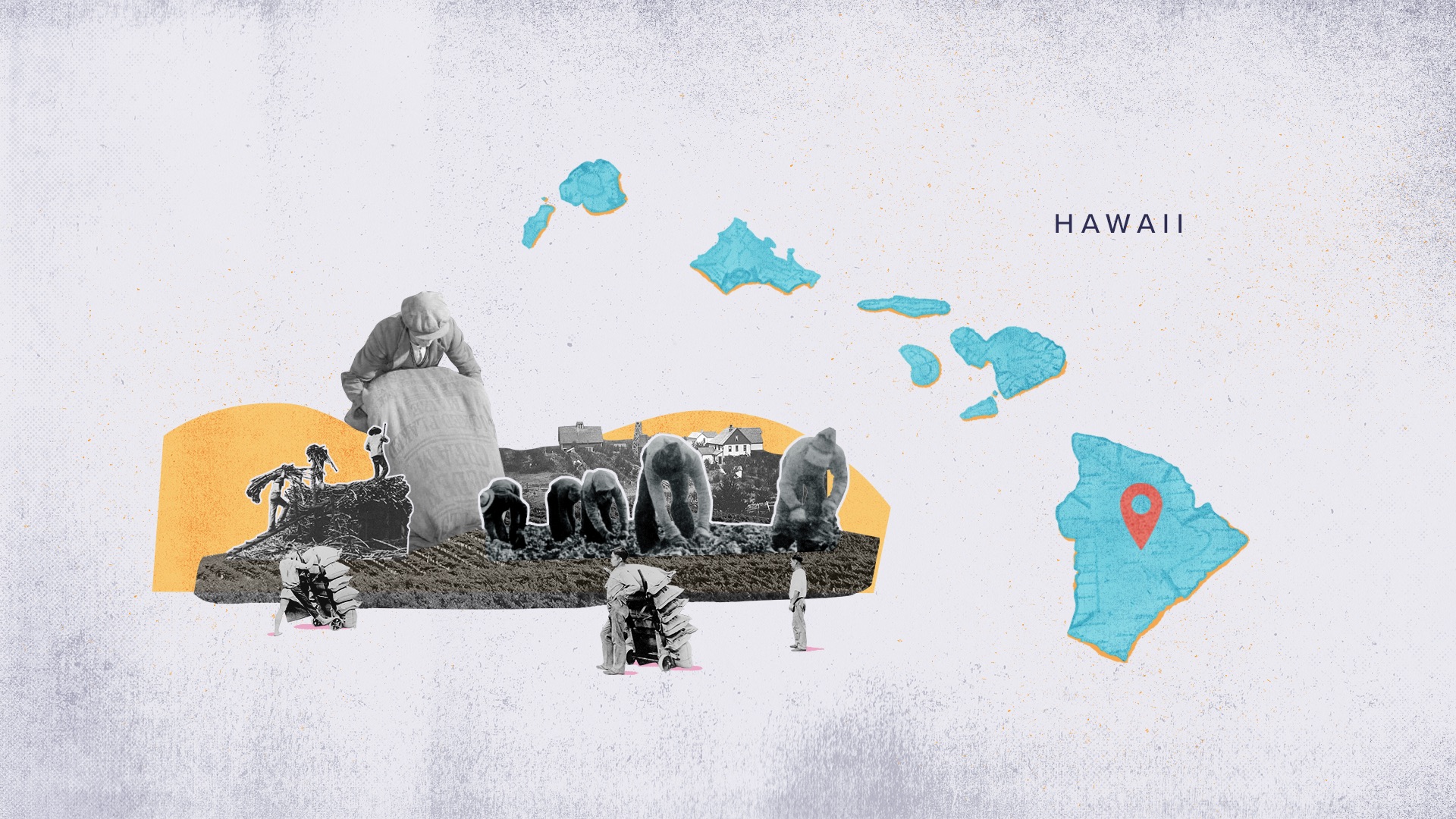
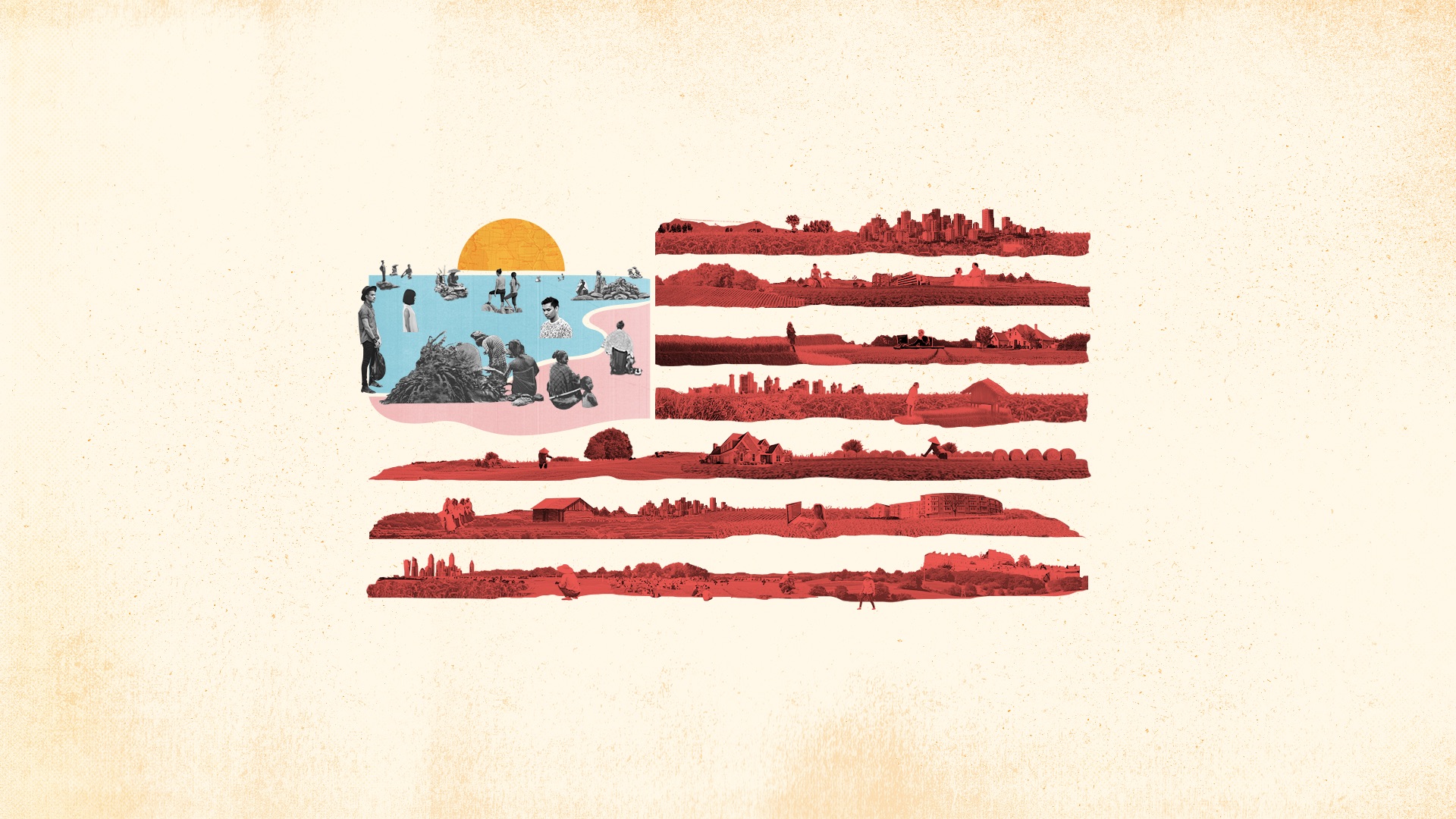
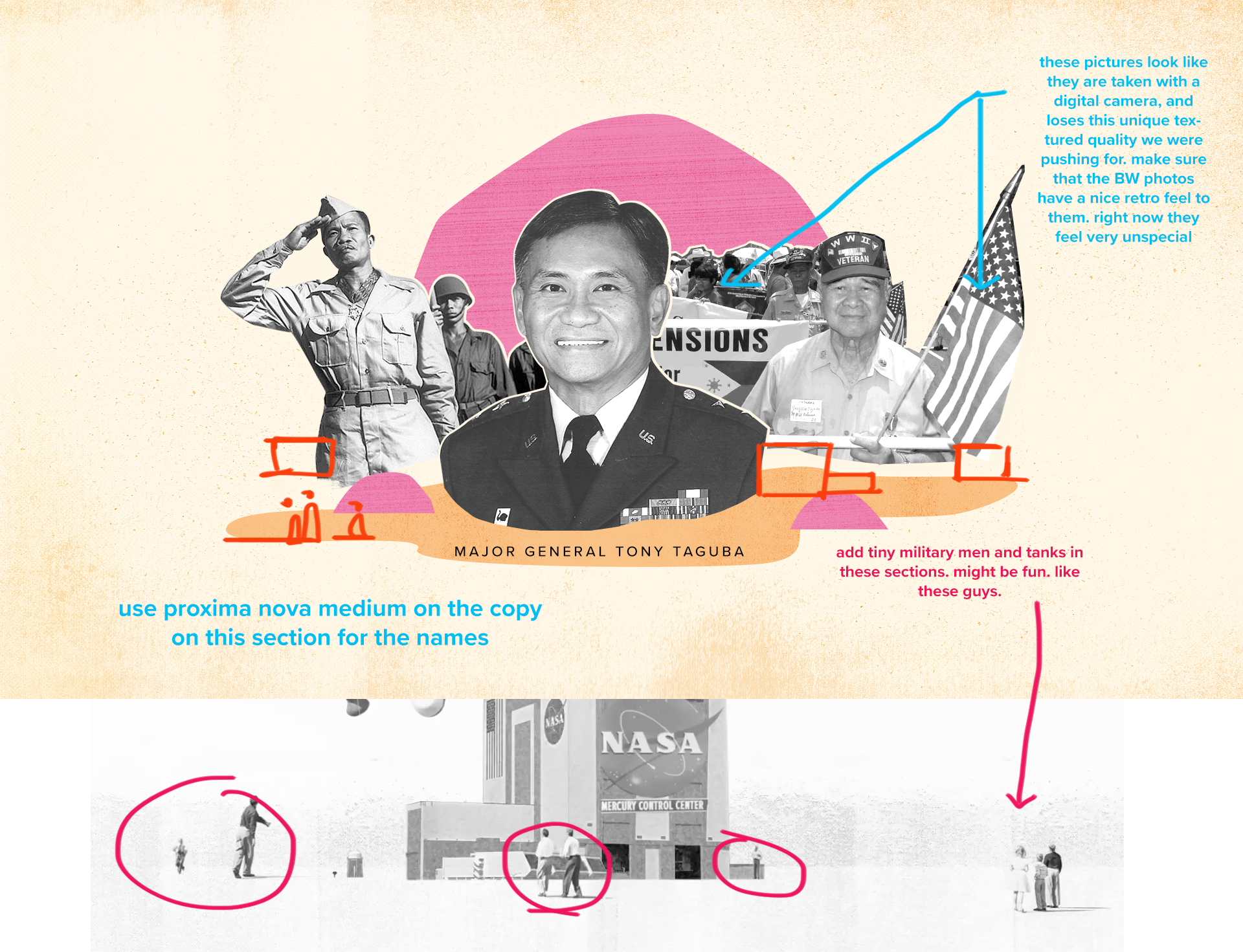
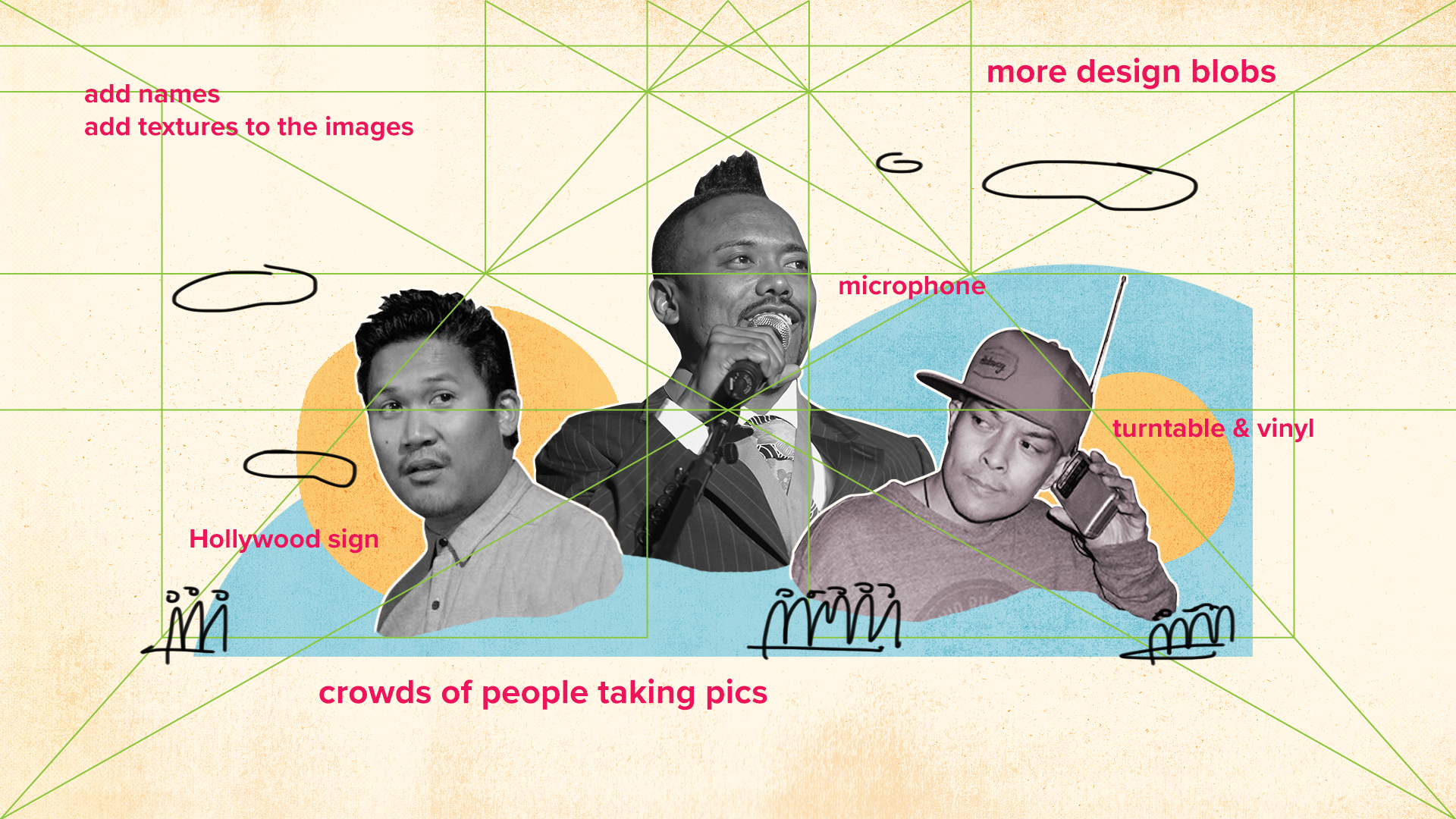
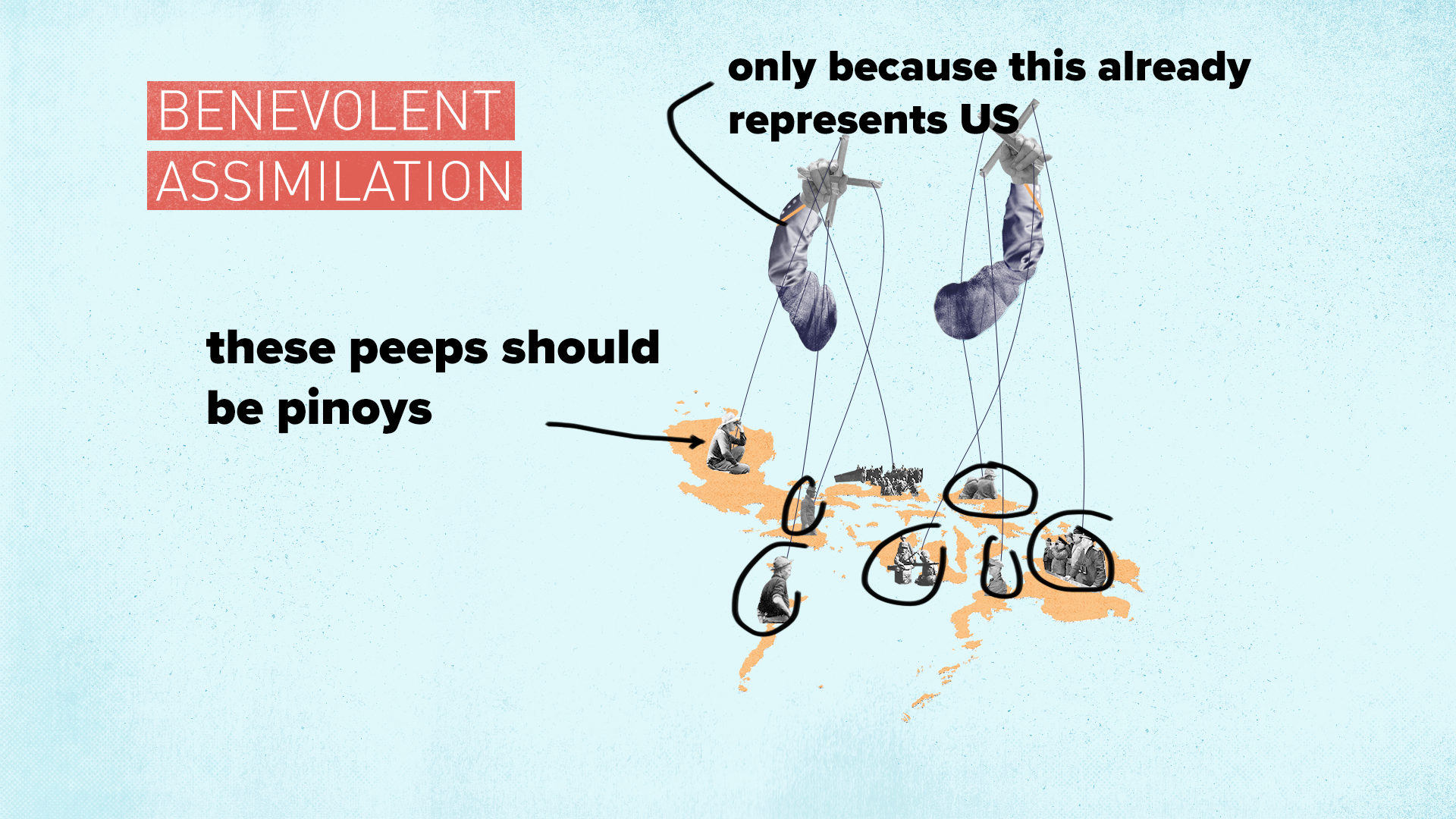
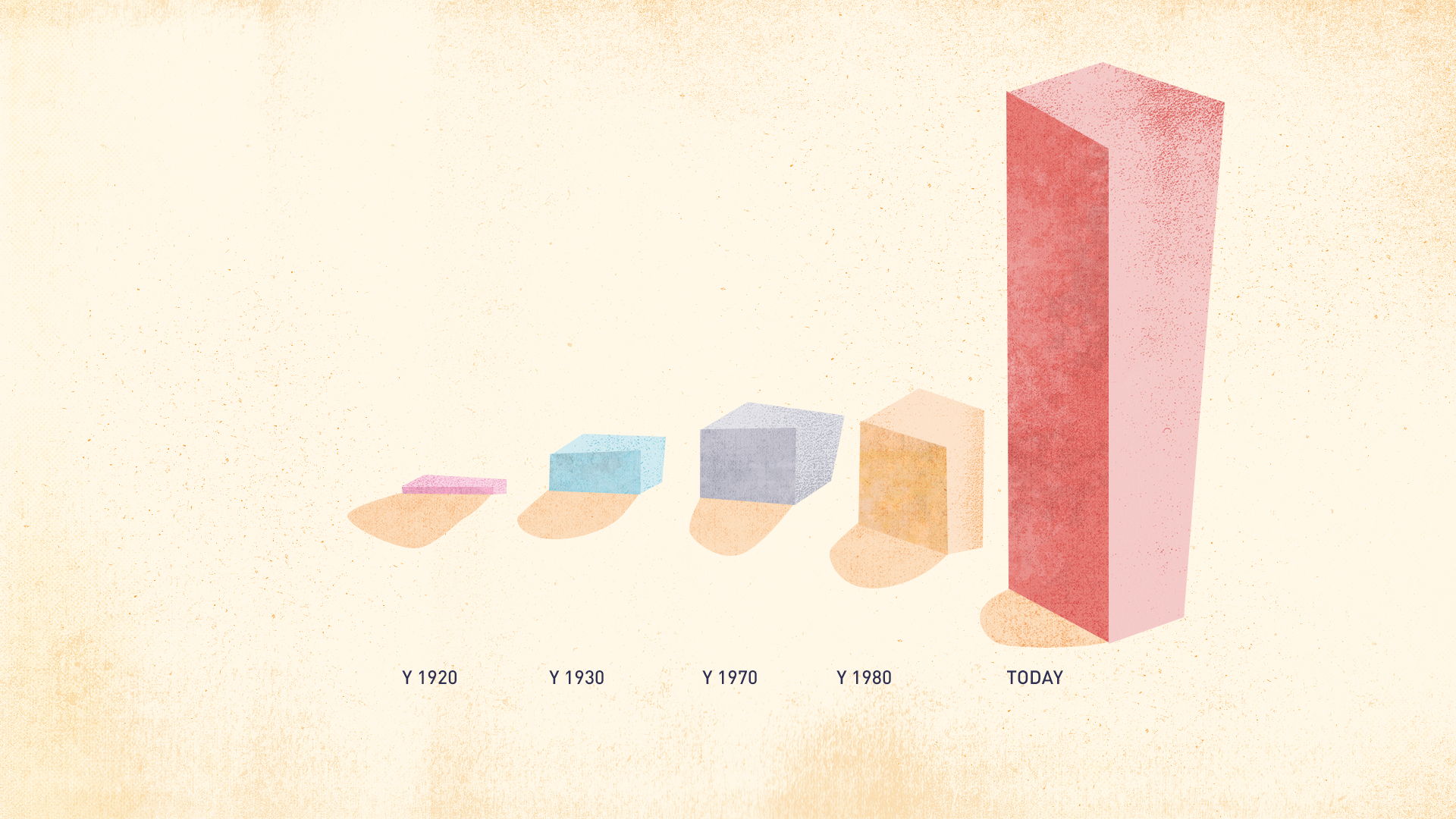
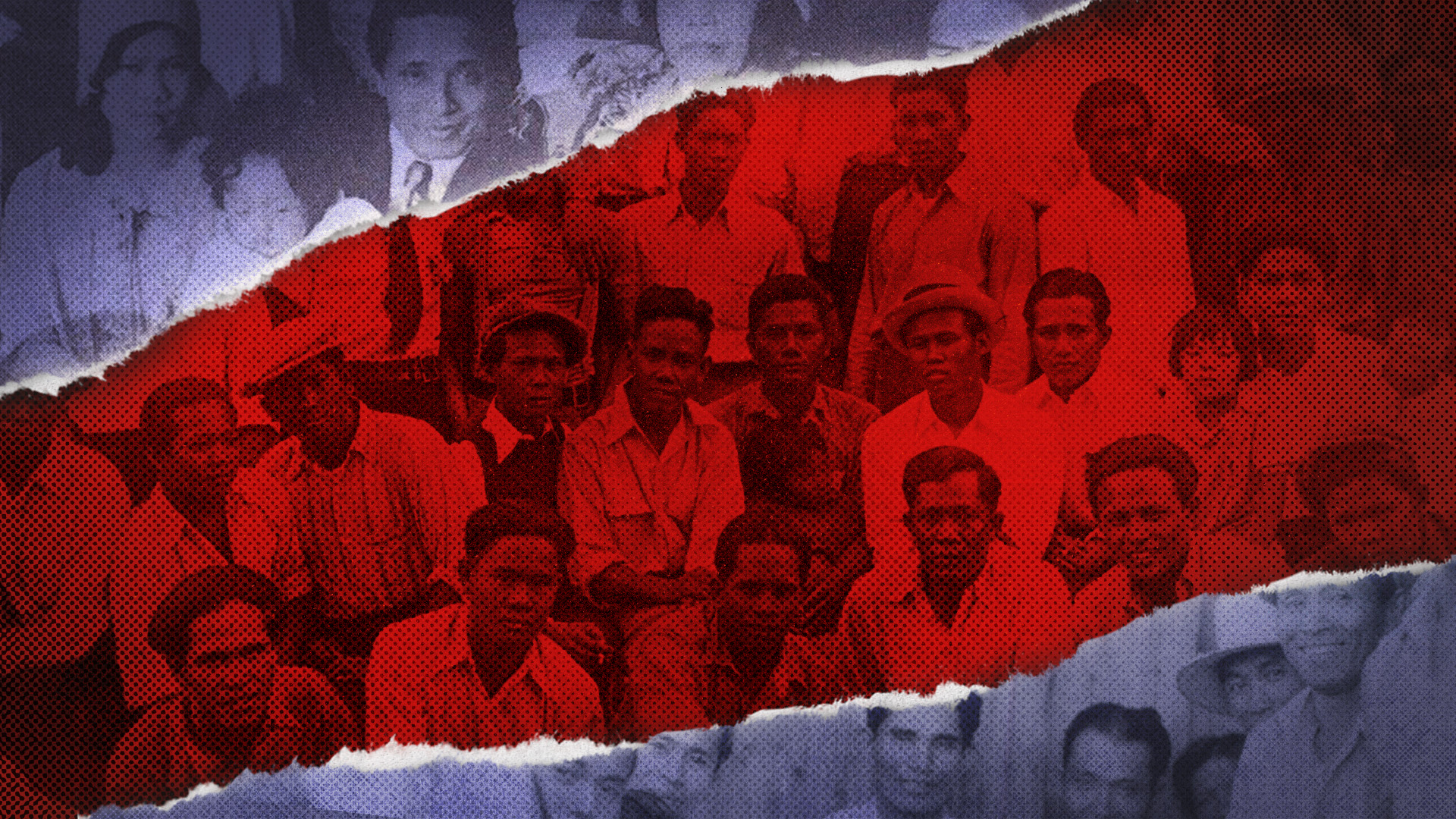
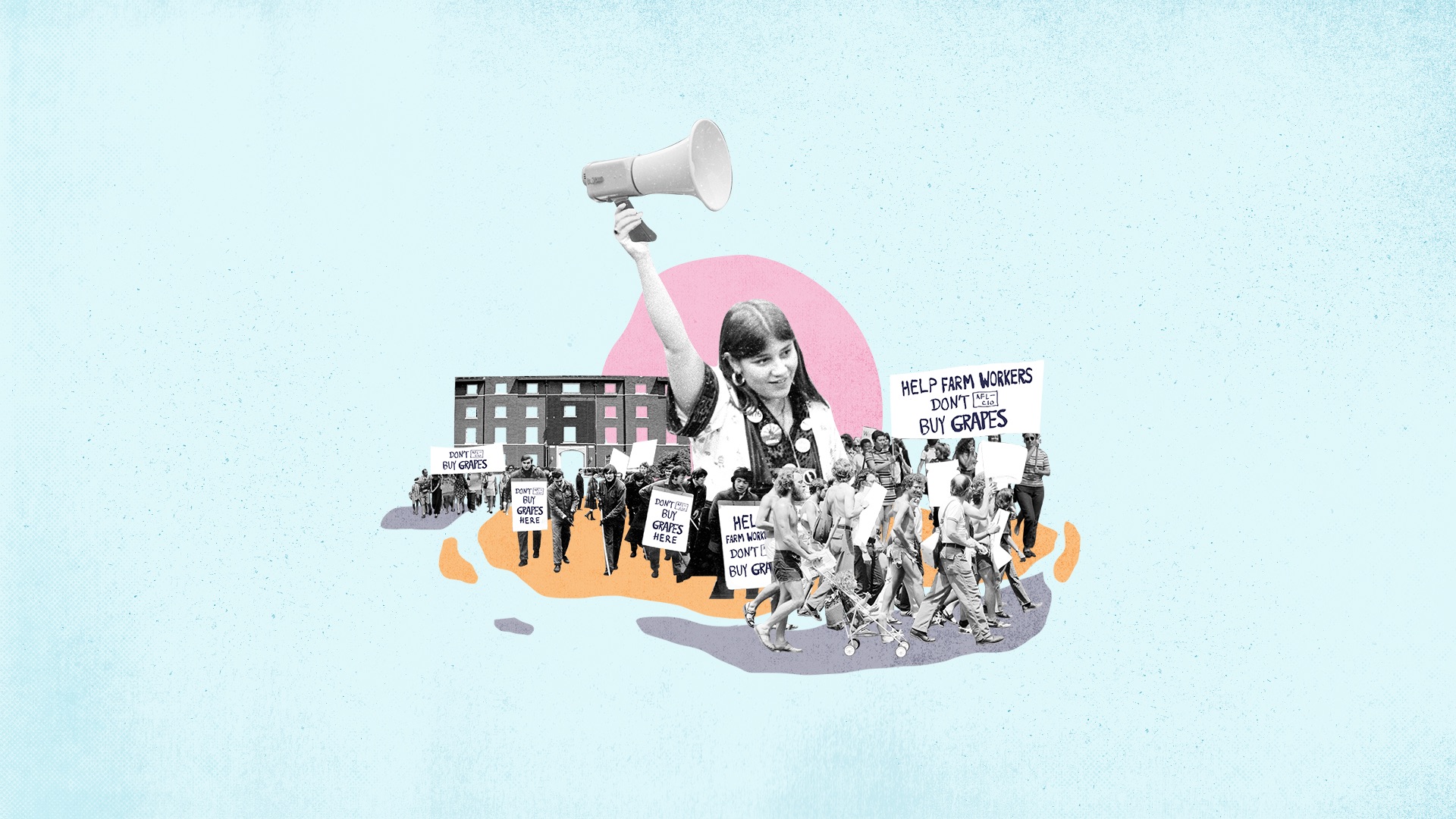
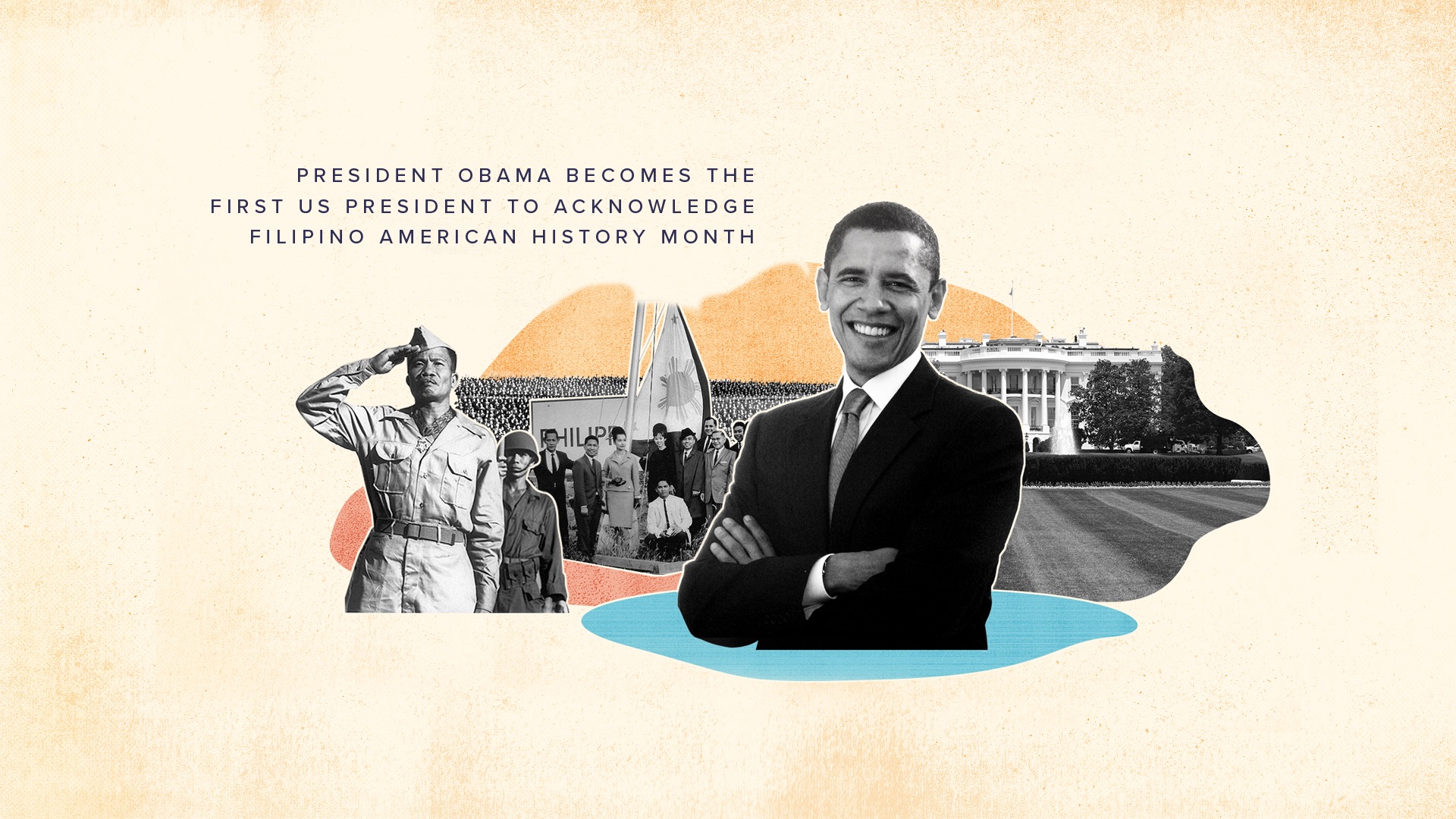
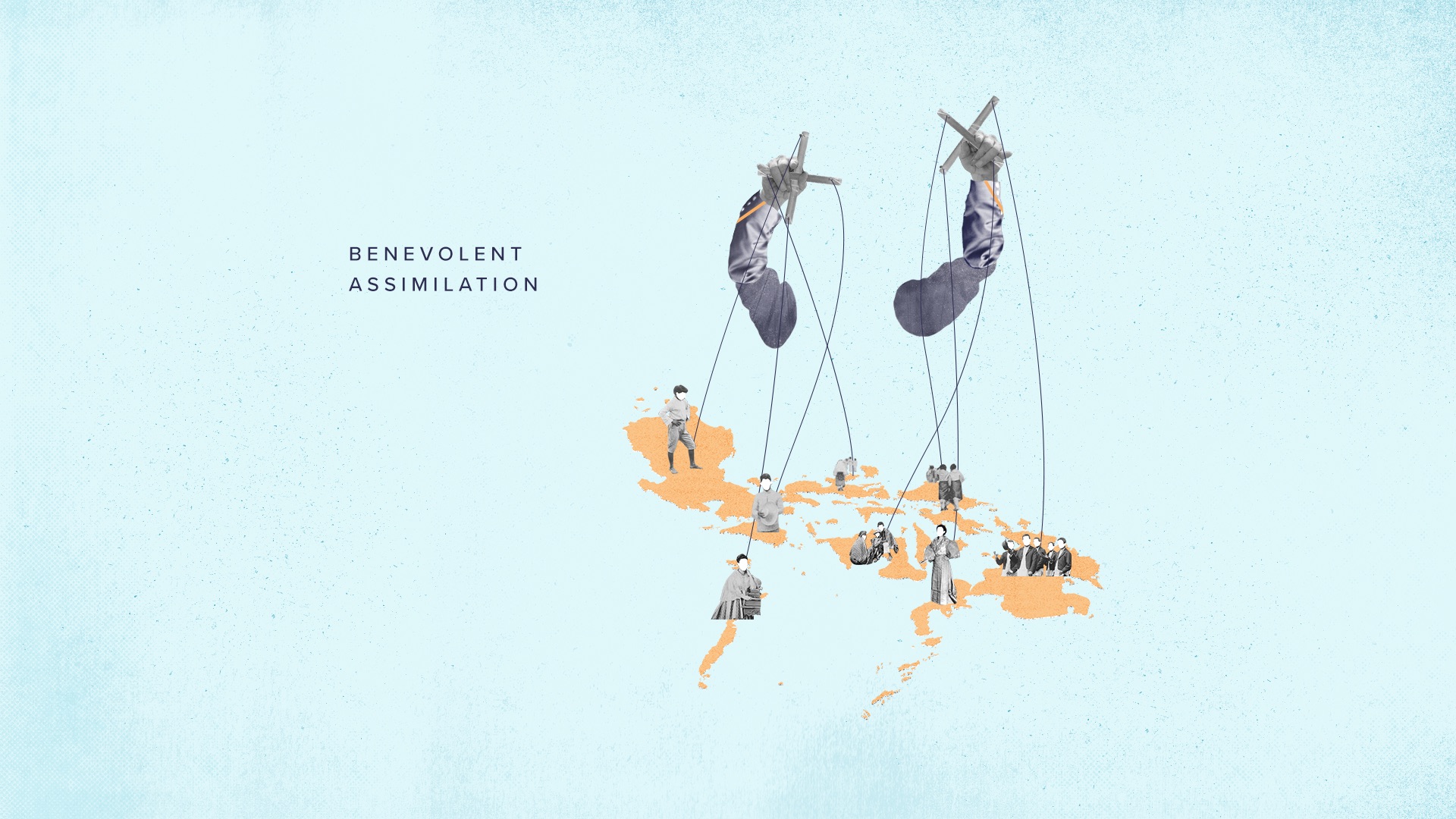
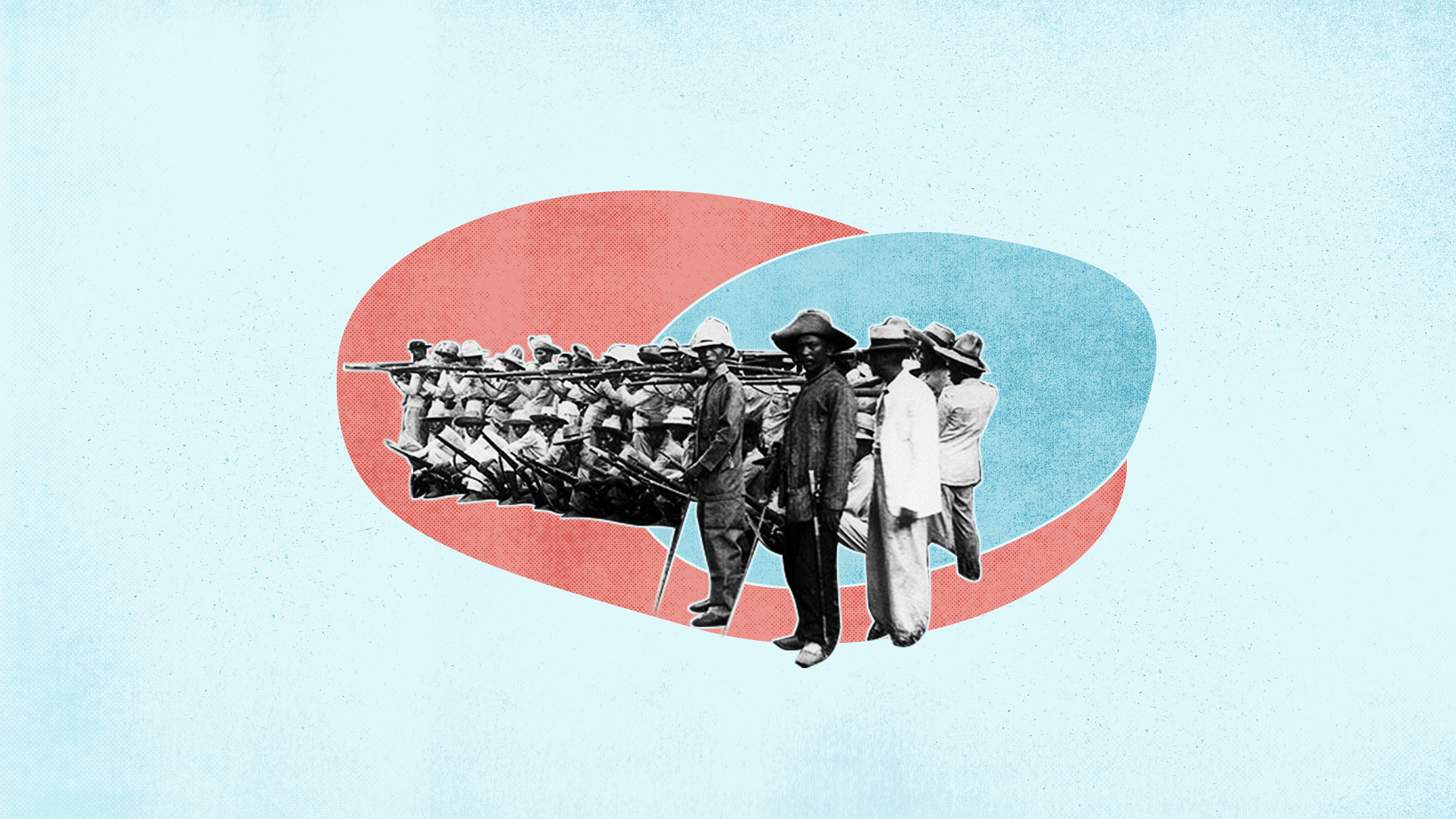
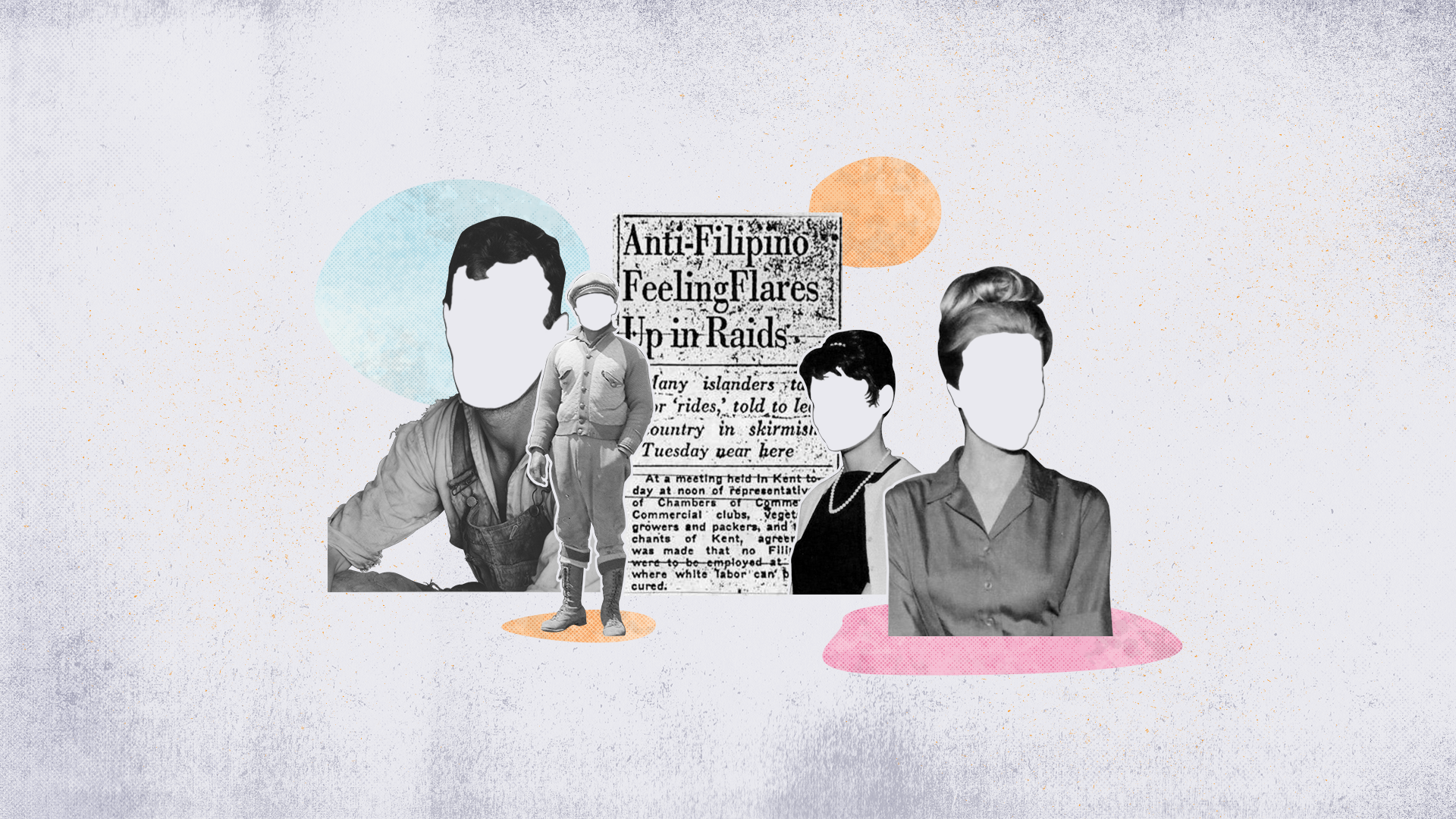
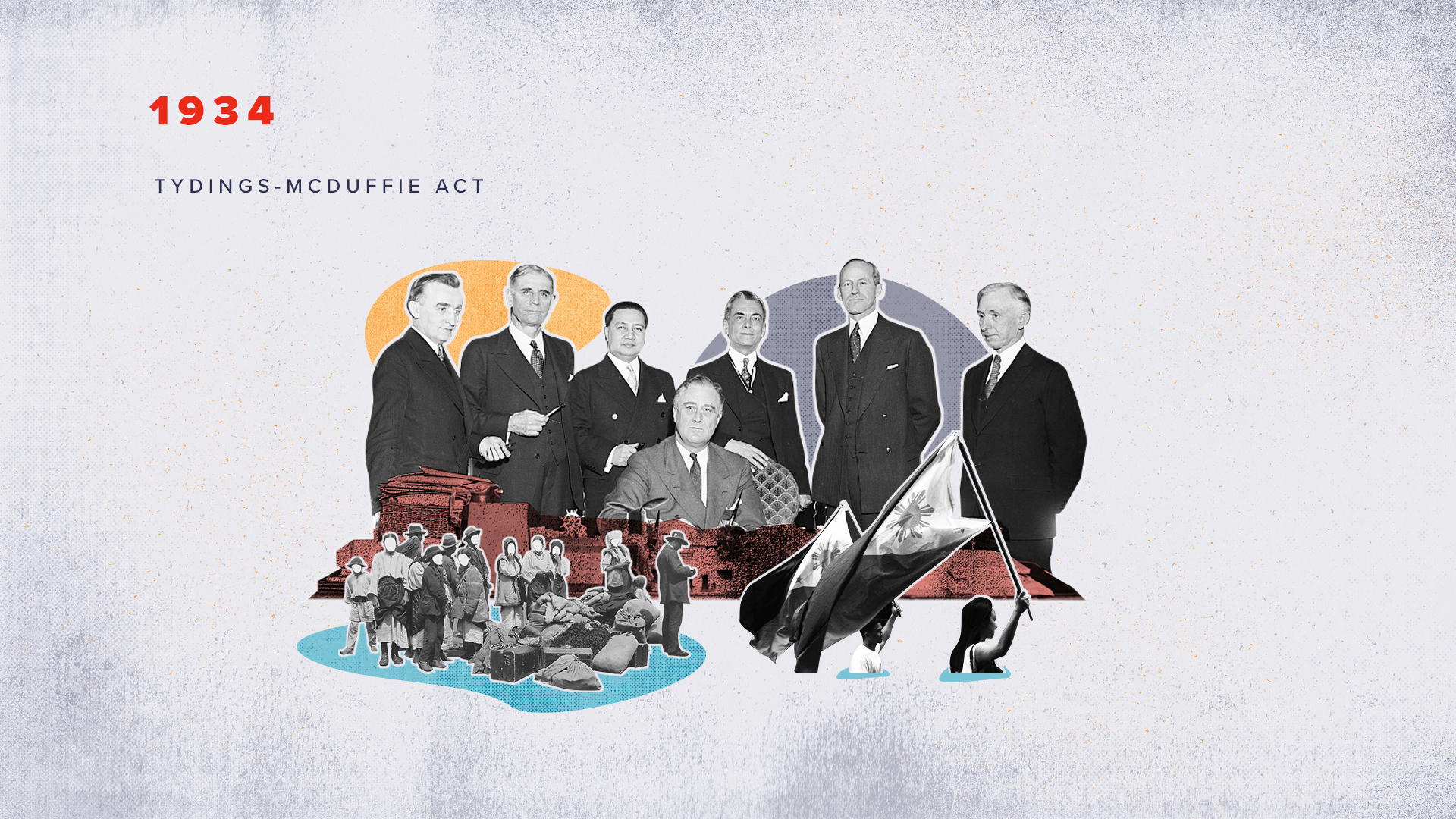
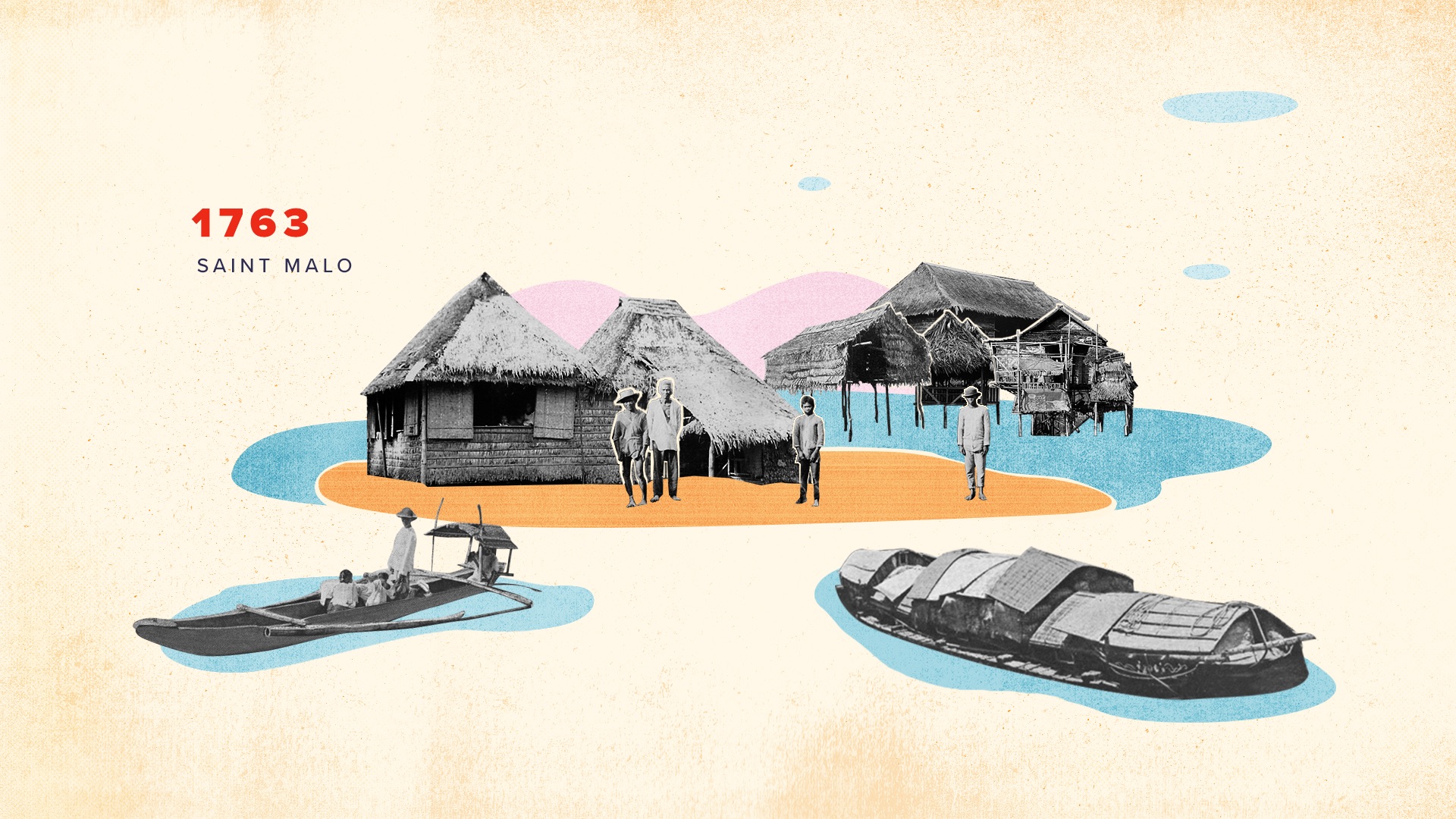
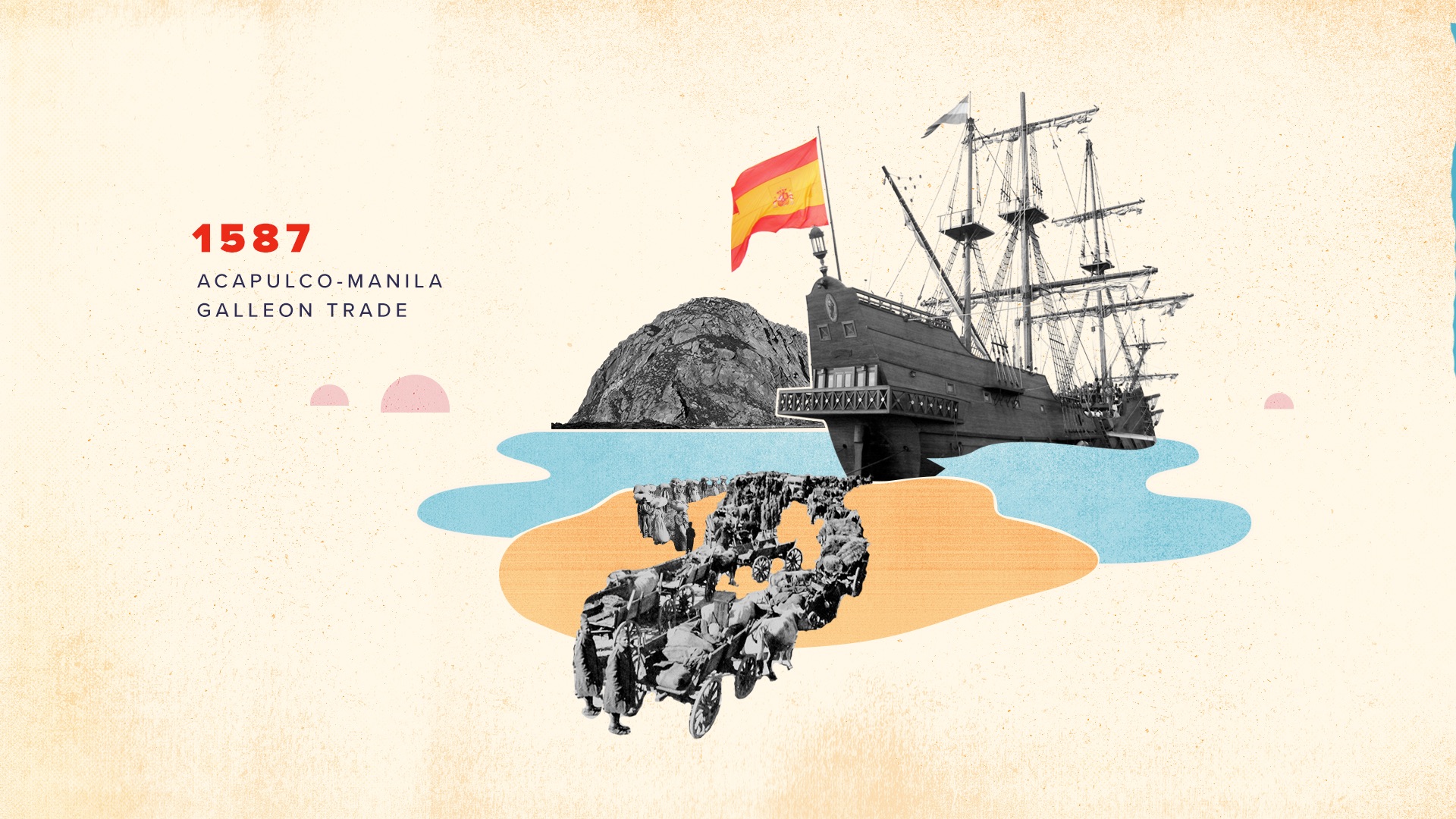
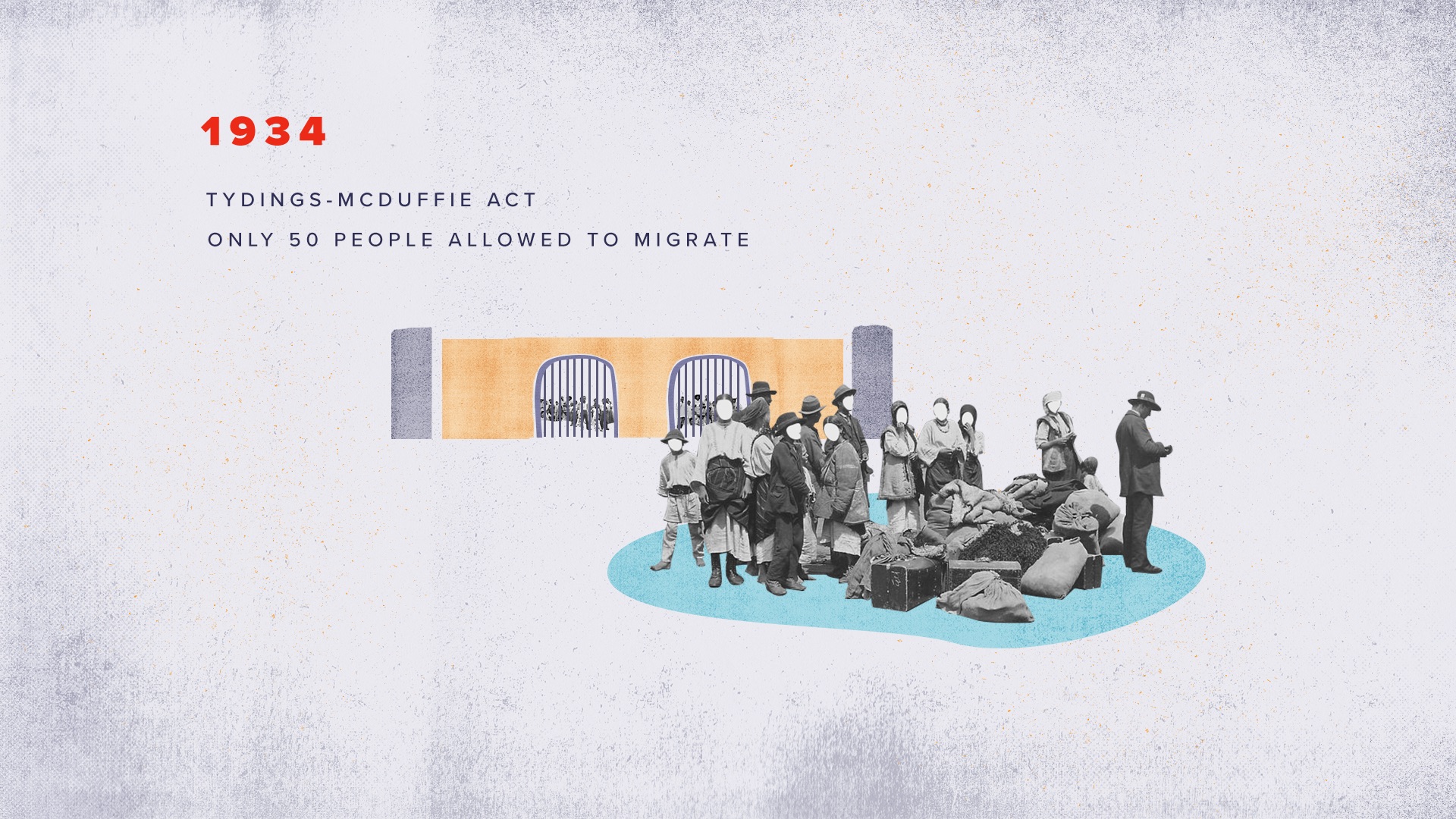
Archival photographs became dimensional cut-outs, allowing historical figures to move through the story rather than remain frozen inside photographs. Black-and-white source material met a restrained pastel palette. Graphic compositions borrowed from the visual language of American history while preserving the Filipino people at the center of it.
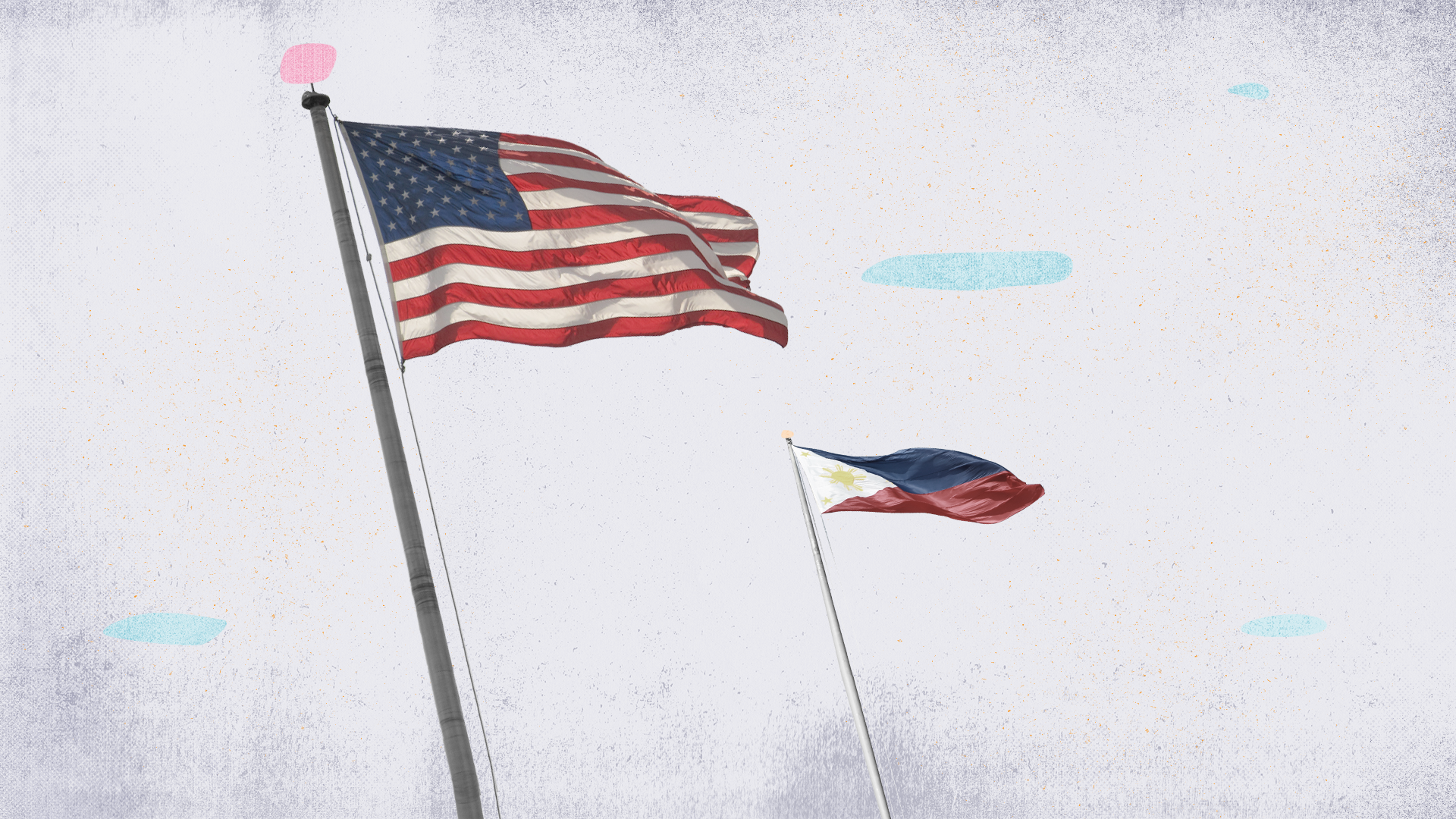
The American influence was intentional. This was not only a story about the Philippines. It was about Filipinos becoming part of America, and the labor, military service, migration, exclusion, and adaptation that came with it. The visual language needed to hold both worlds at once.
That balance carried through the animation. Movement stayed direct and legible. Design served the history rather than competing with it. Sound, typography, archival material, and motion worked together to make a complicated timeline understandable without making it simplistic.
Throughout the process, historians kept the work accountable to the record. Lived cultural understanding helped us recognize where facts alone were not enough.
The result was not simply a timeline of Filipino American history. It was a way into that history, built with the understanding that the people being represented were not subjects at a distance.
They were family, predecessors, and part of the story that shaped us.

.jpeg)