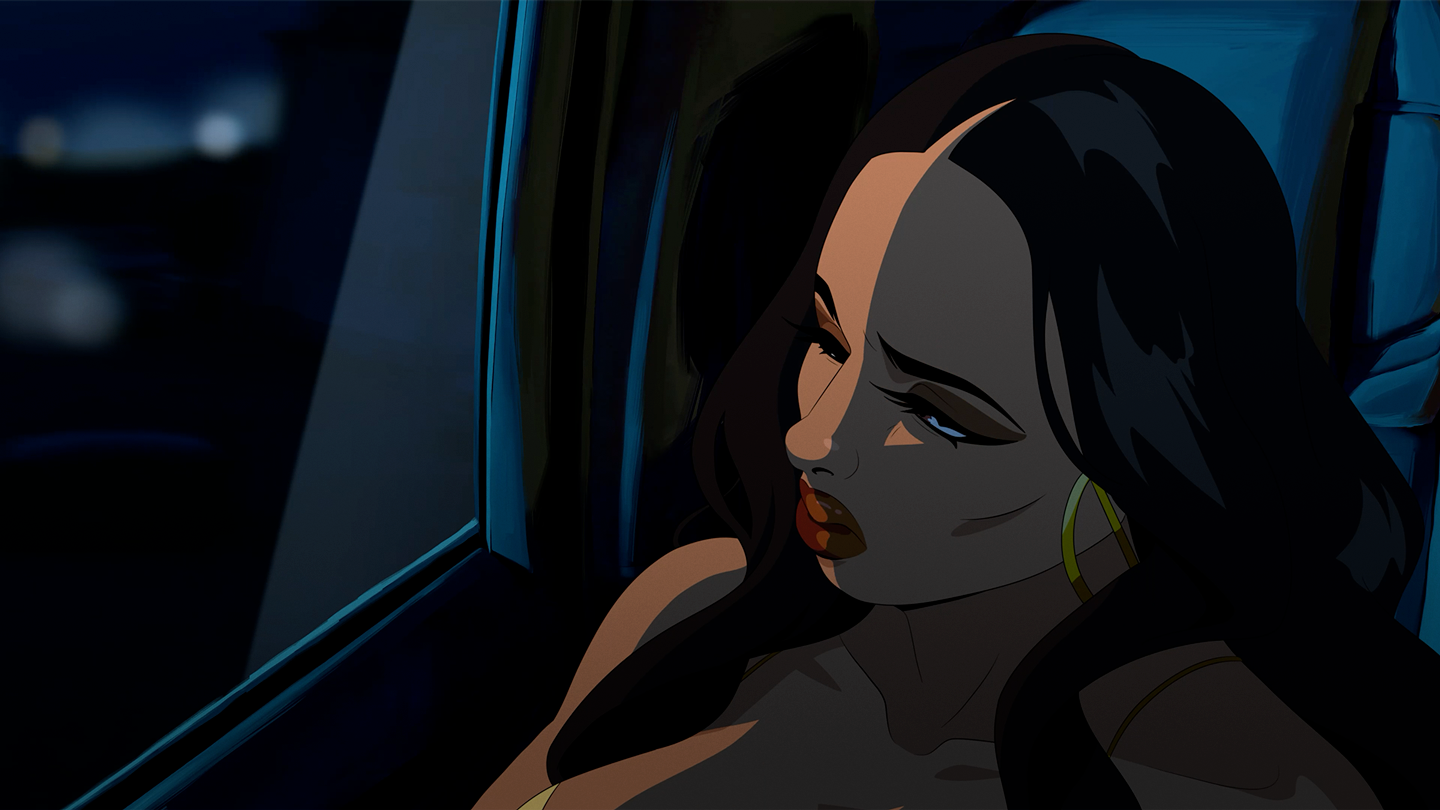
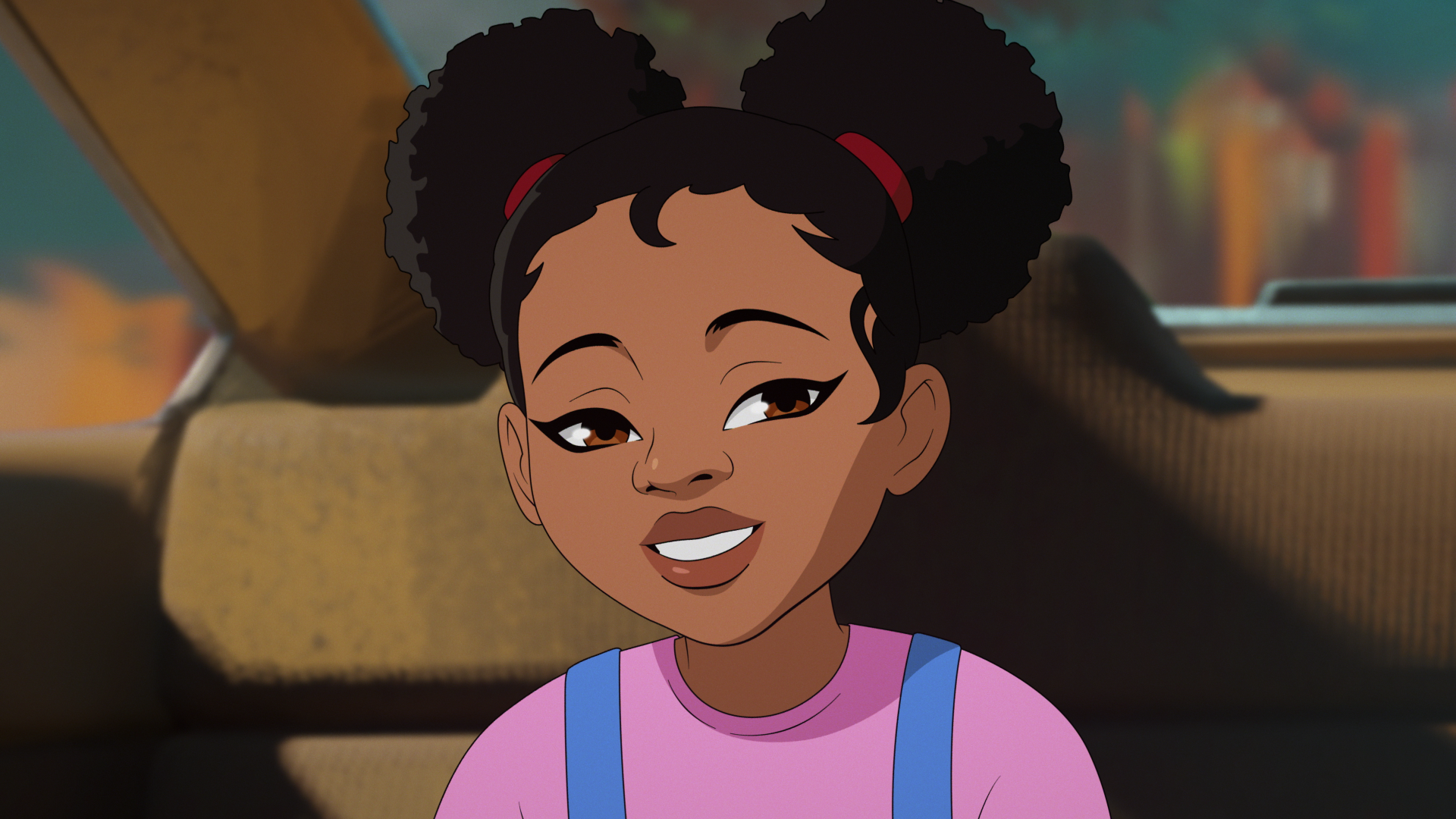
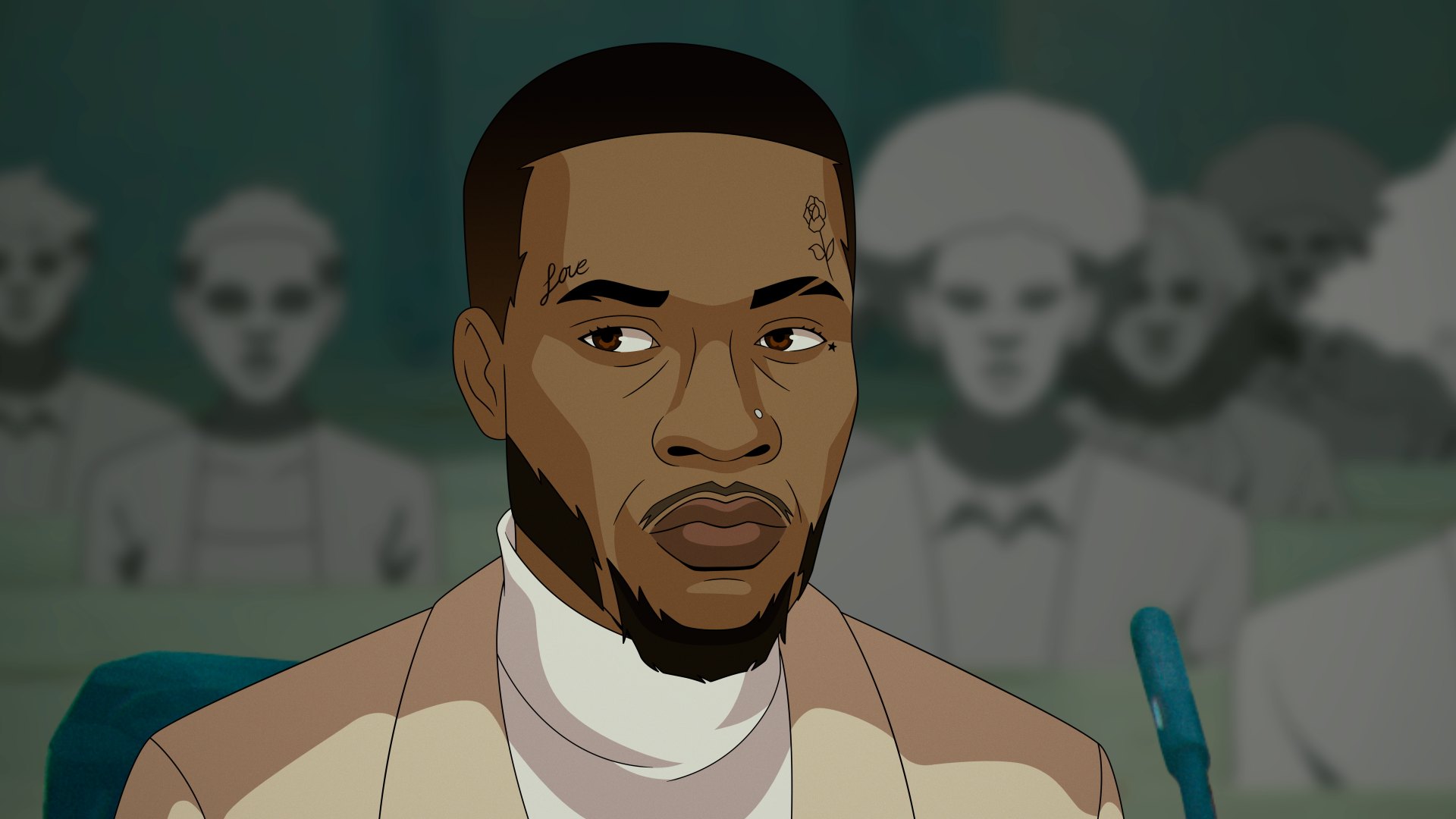
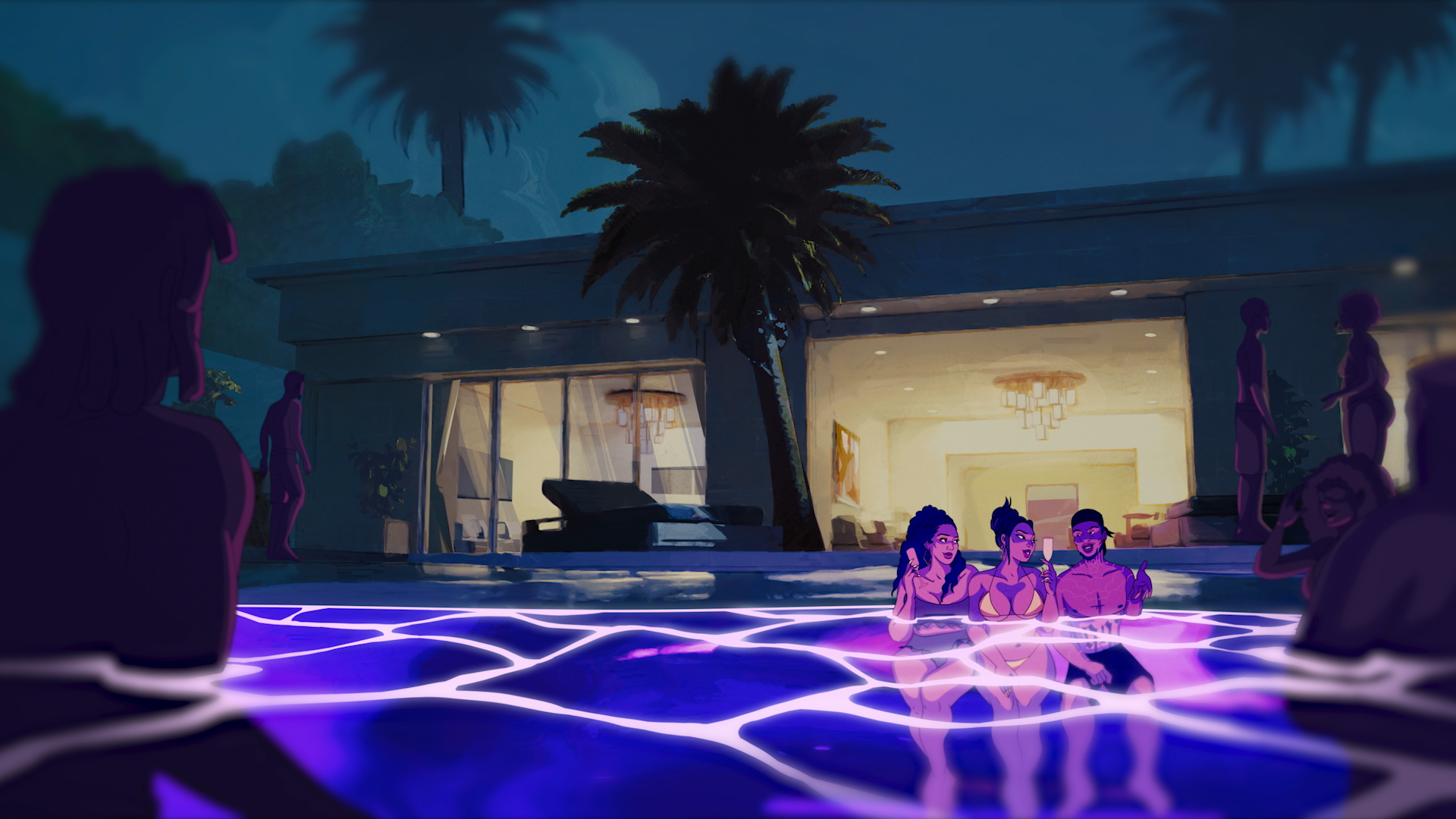
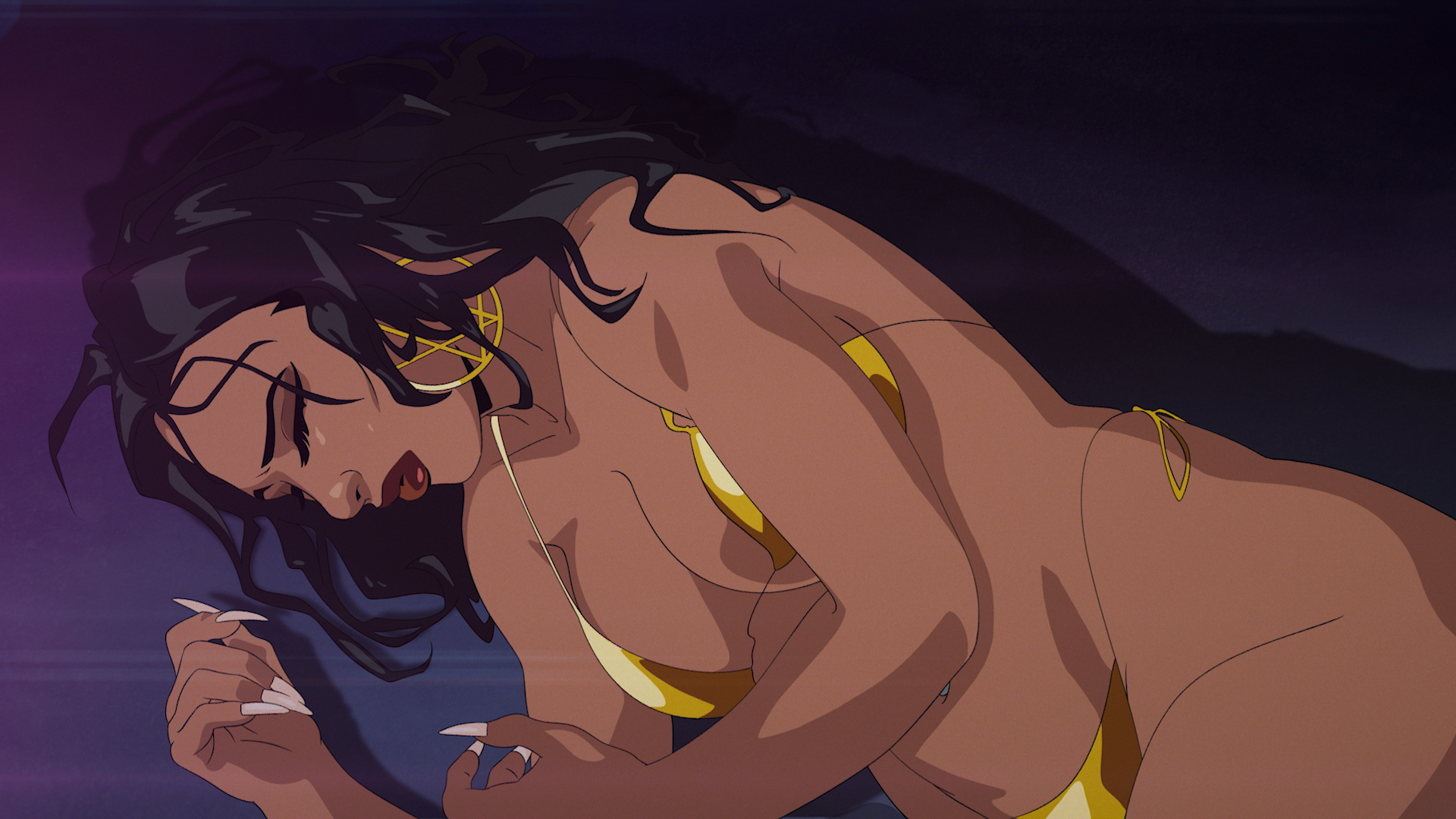
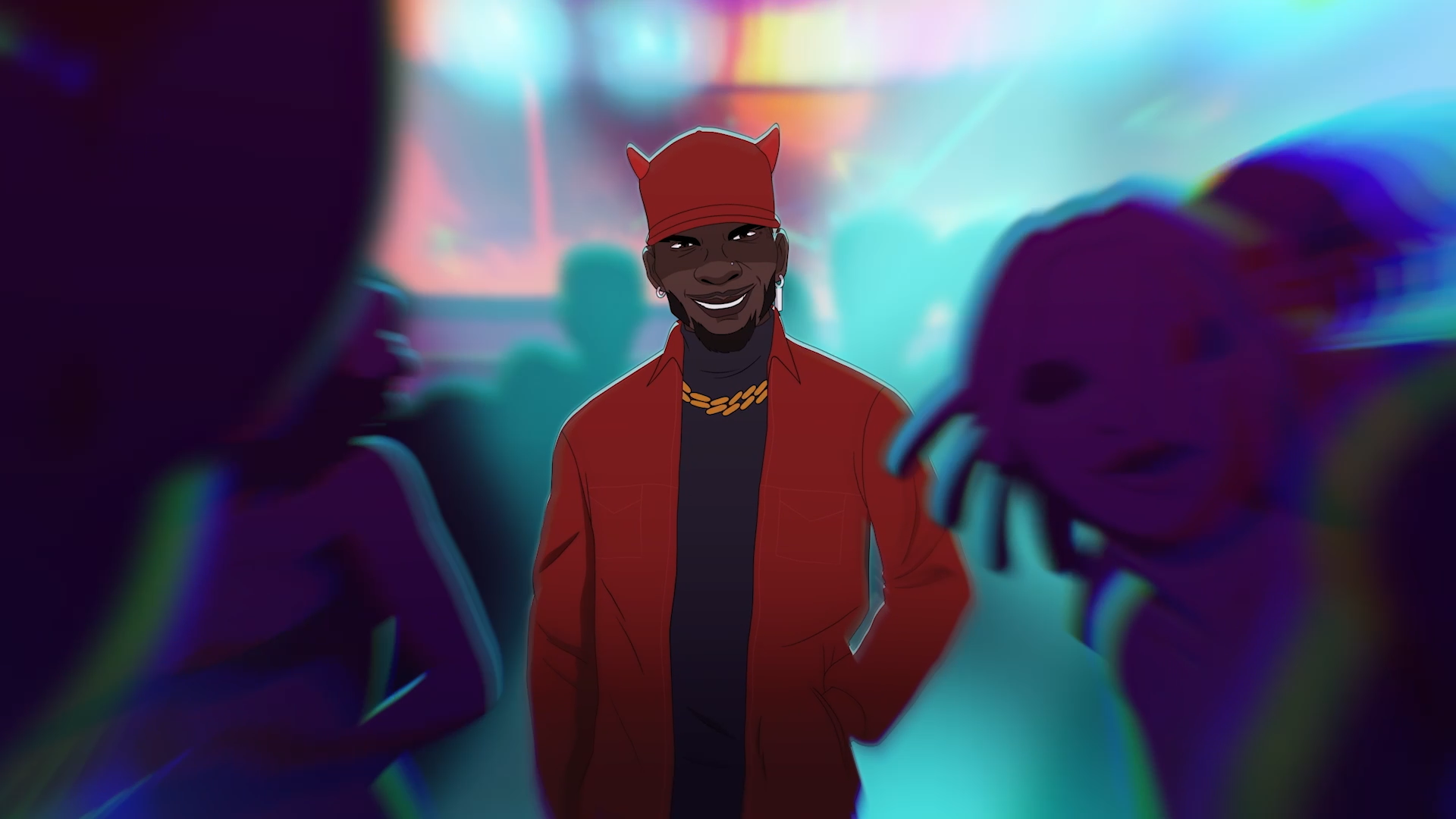
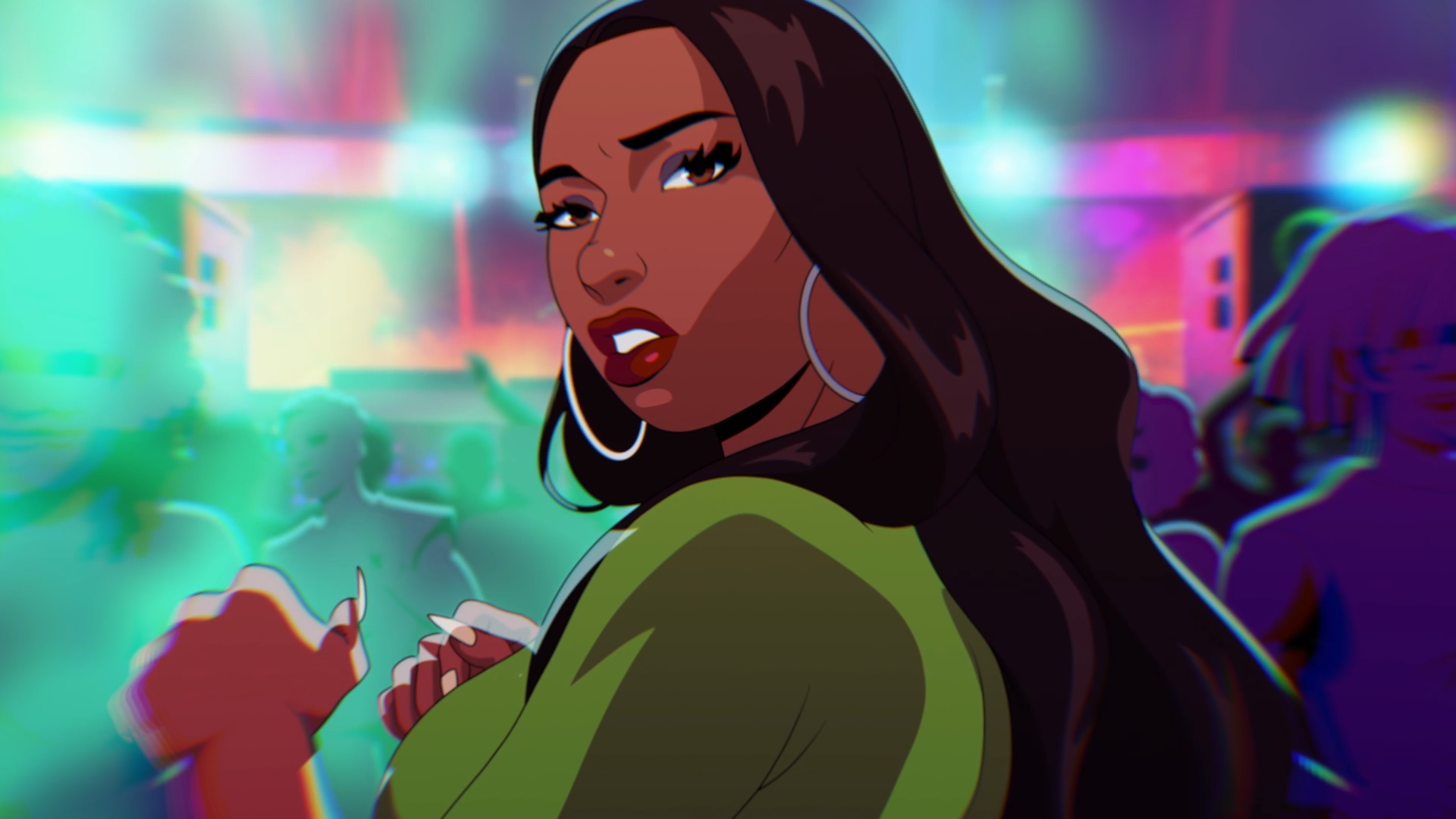
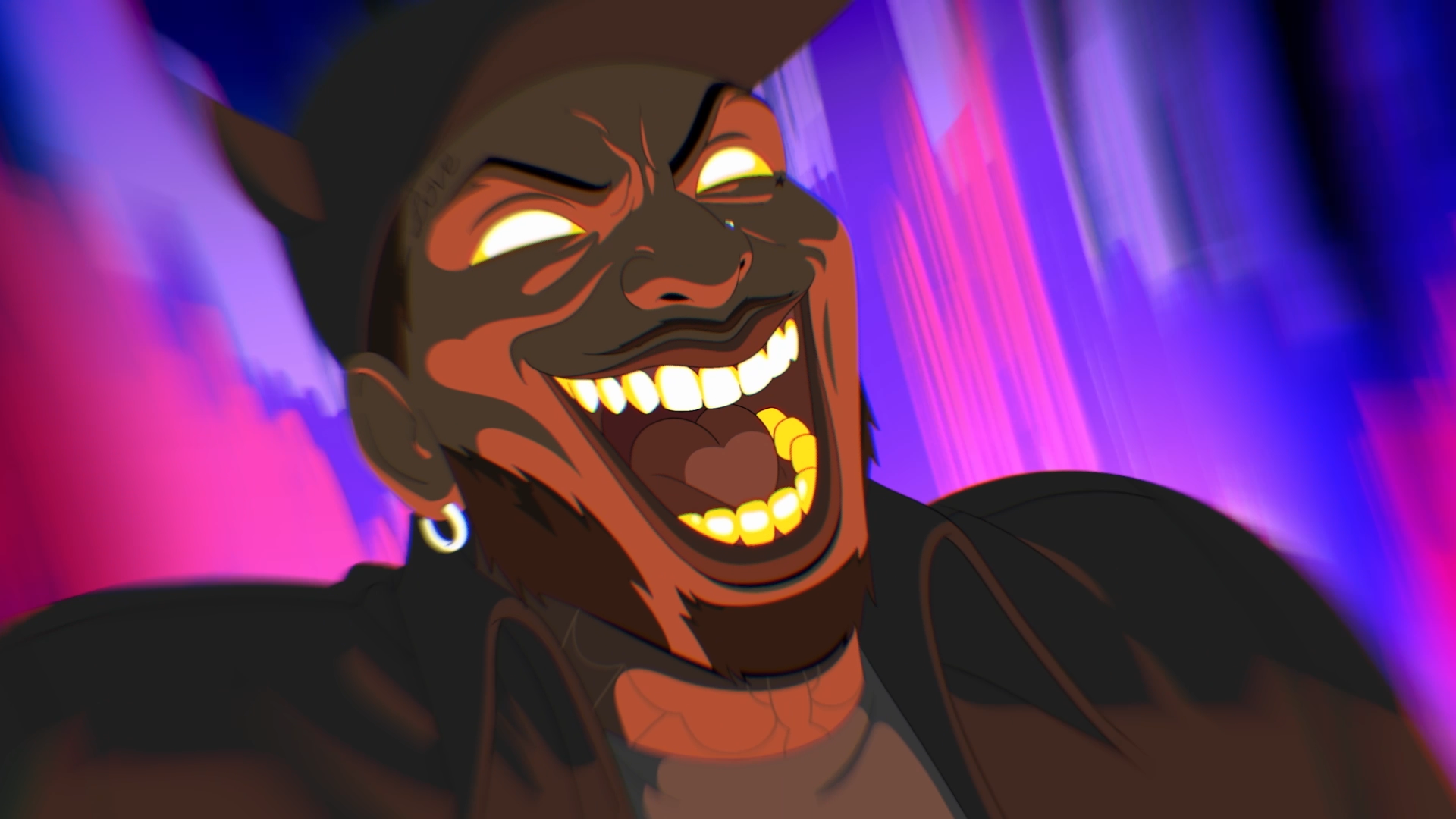
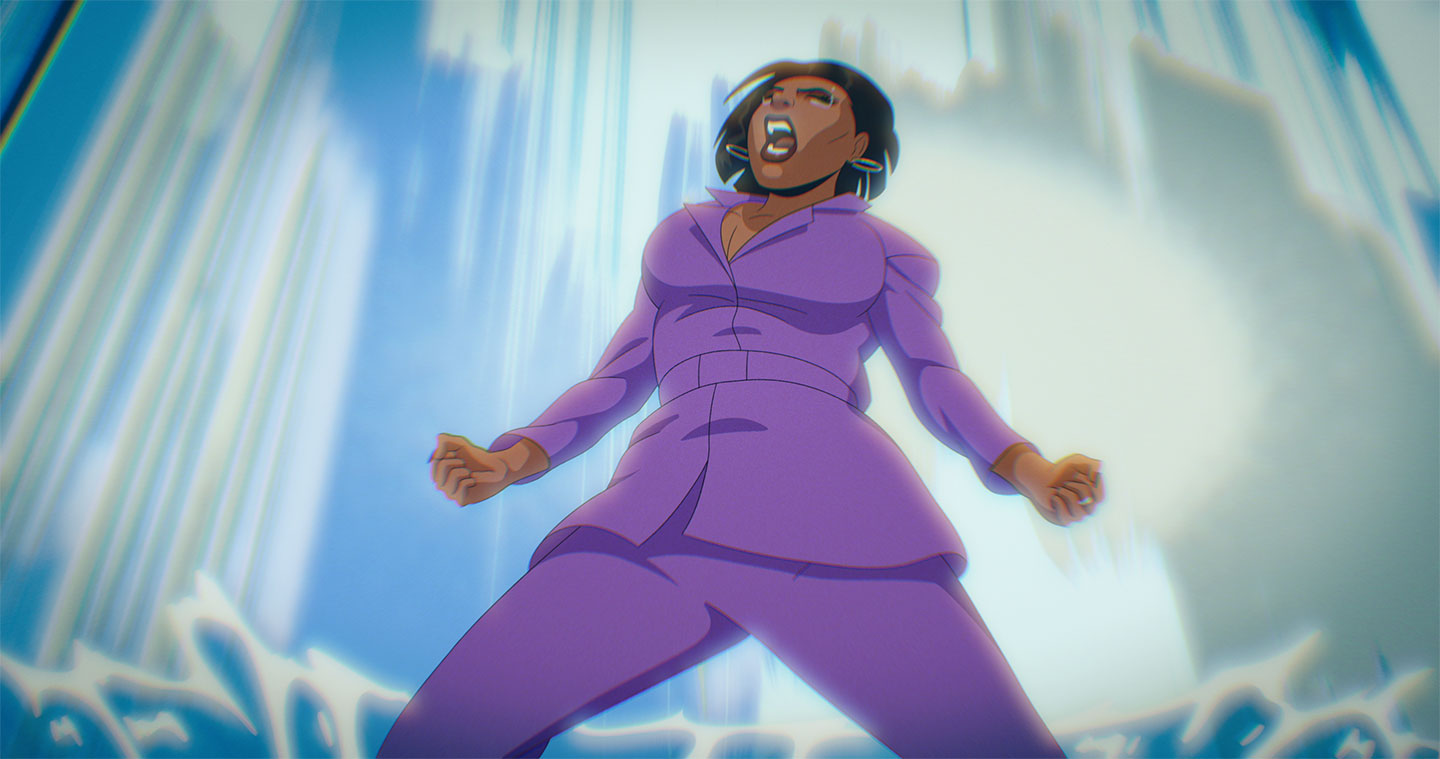
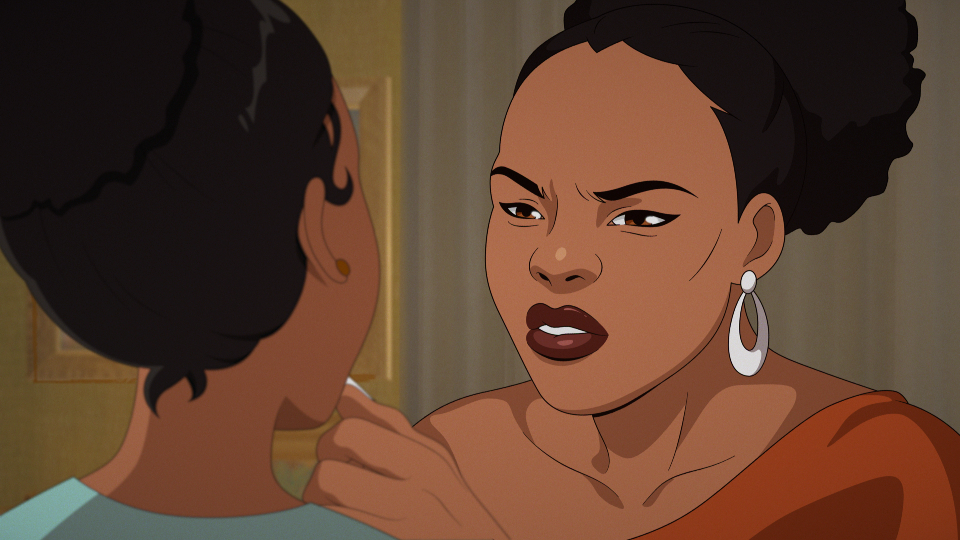
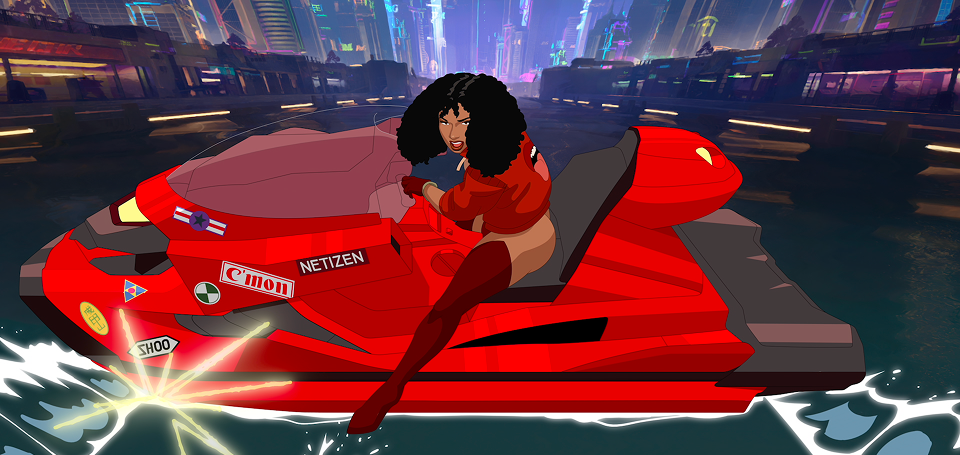
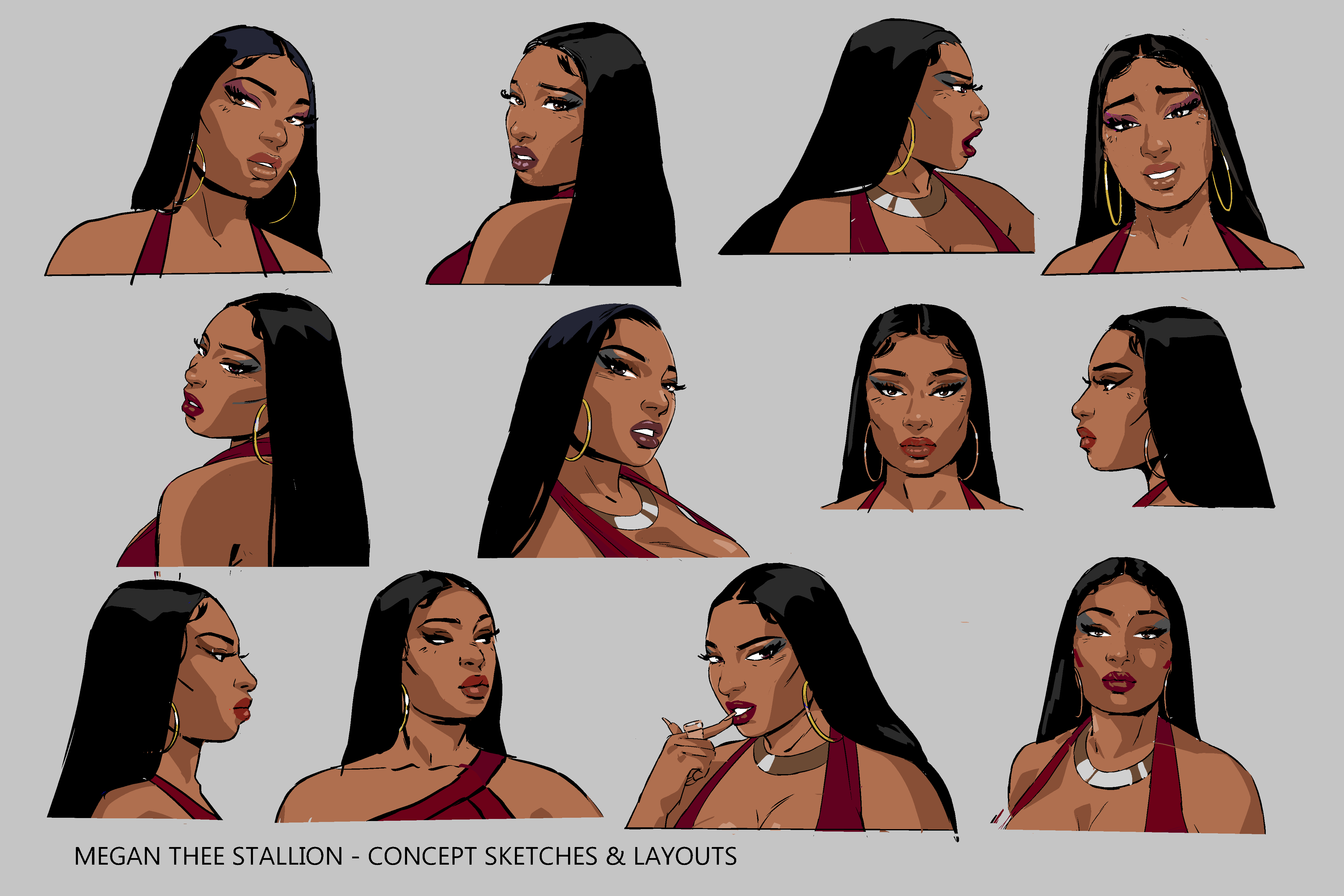
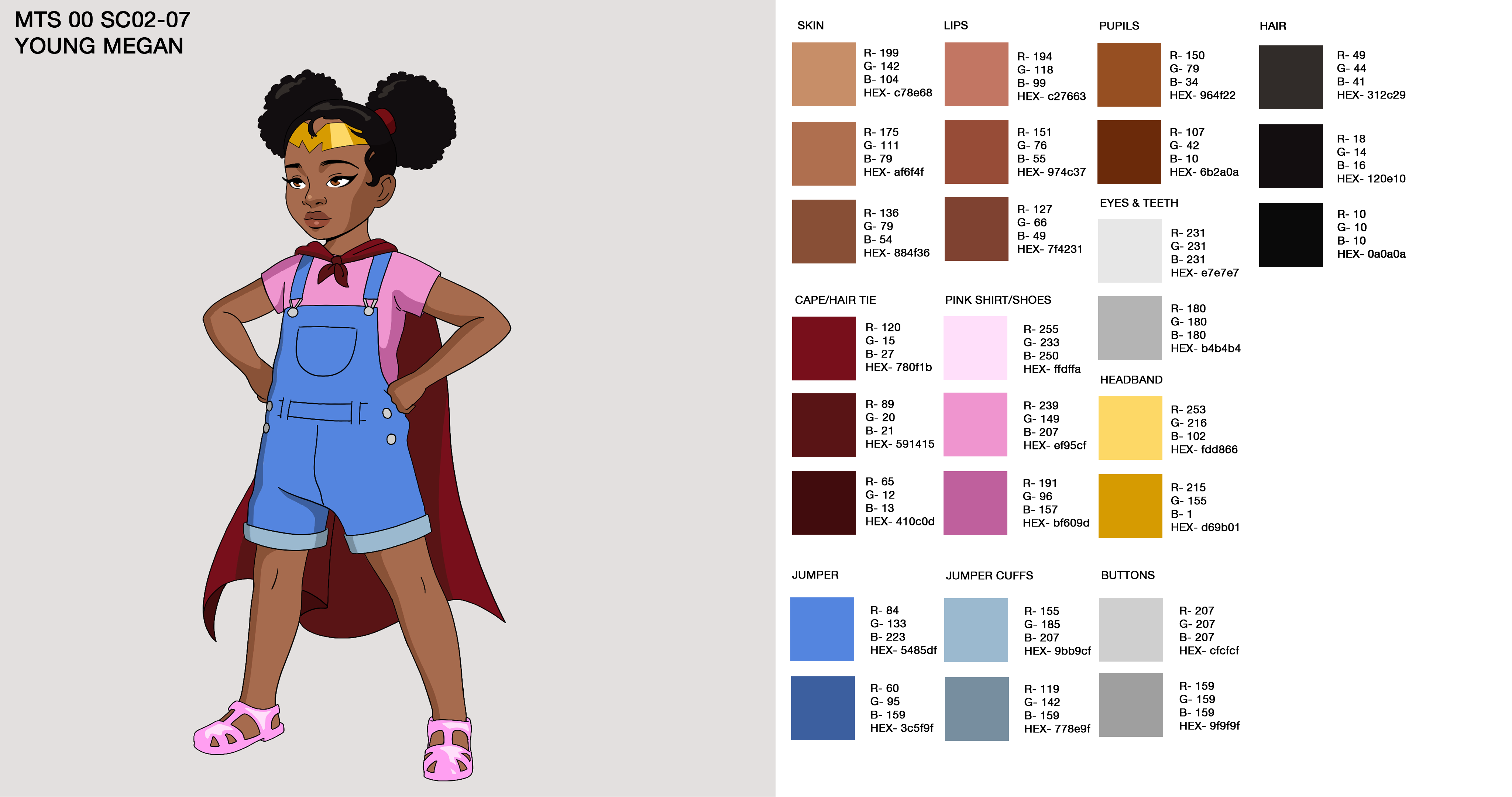
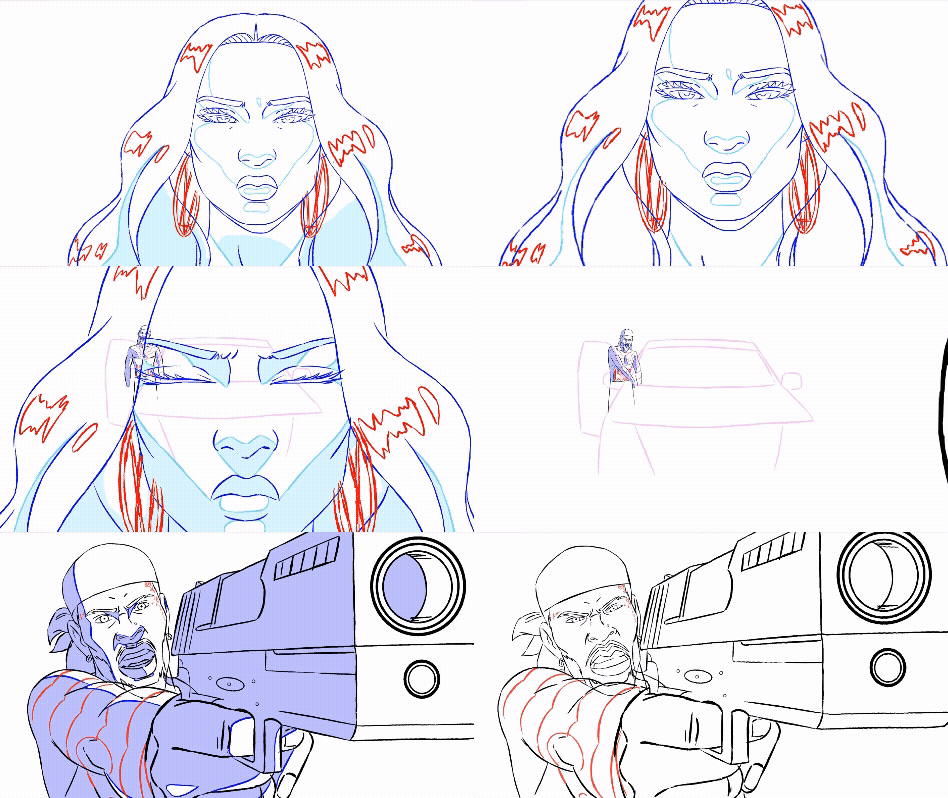
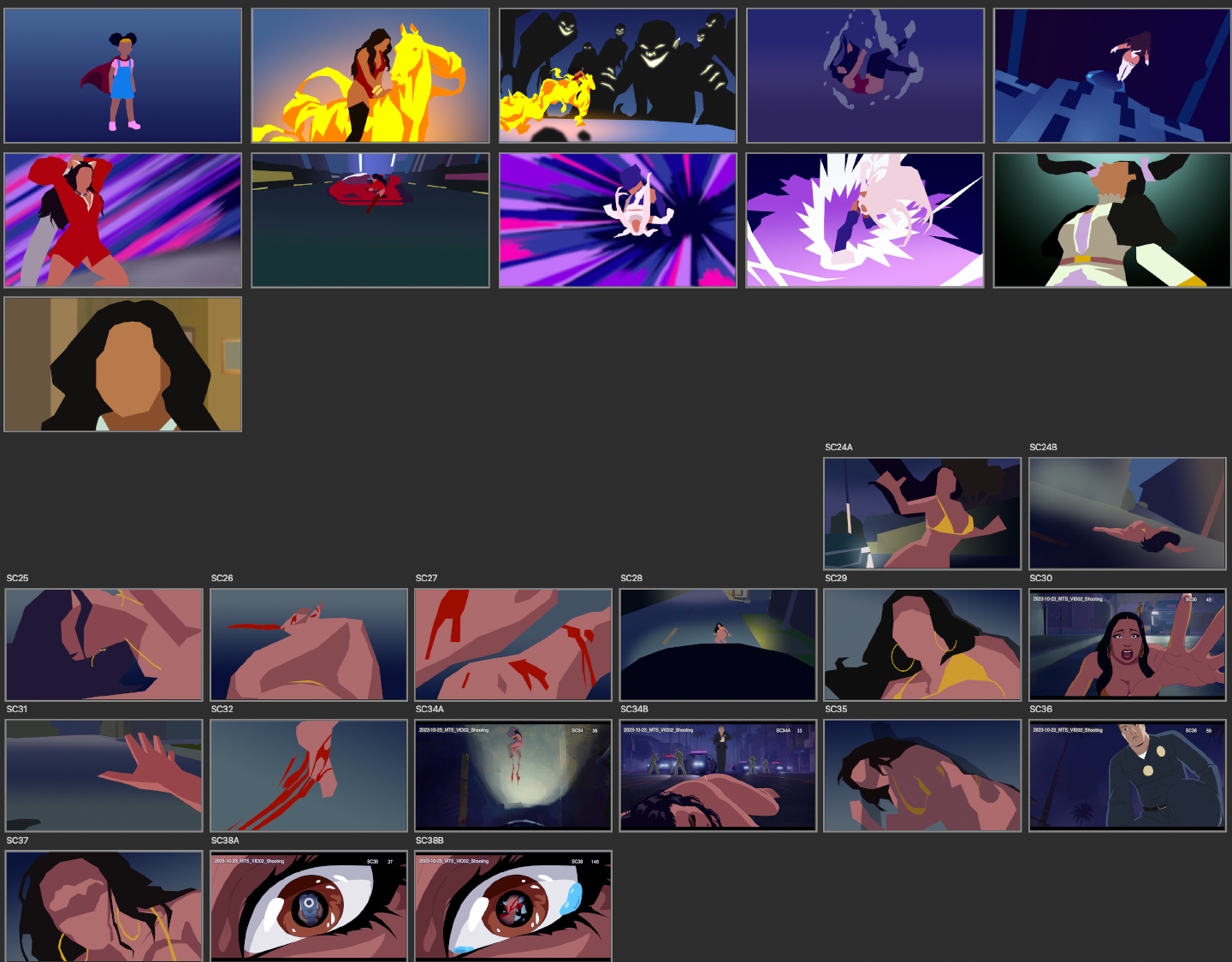
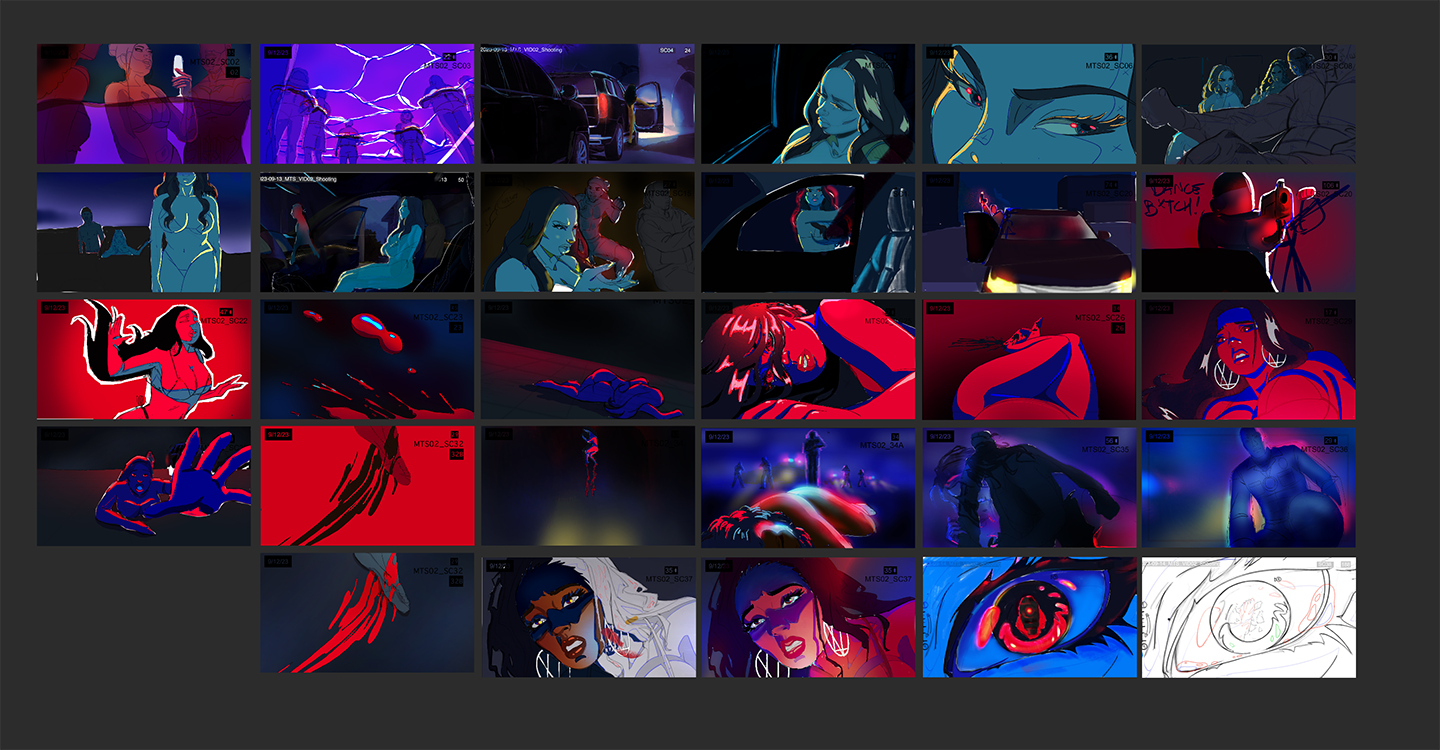
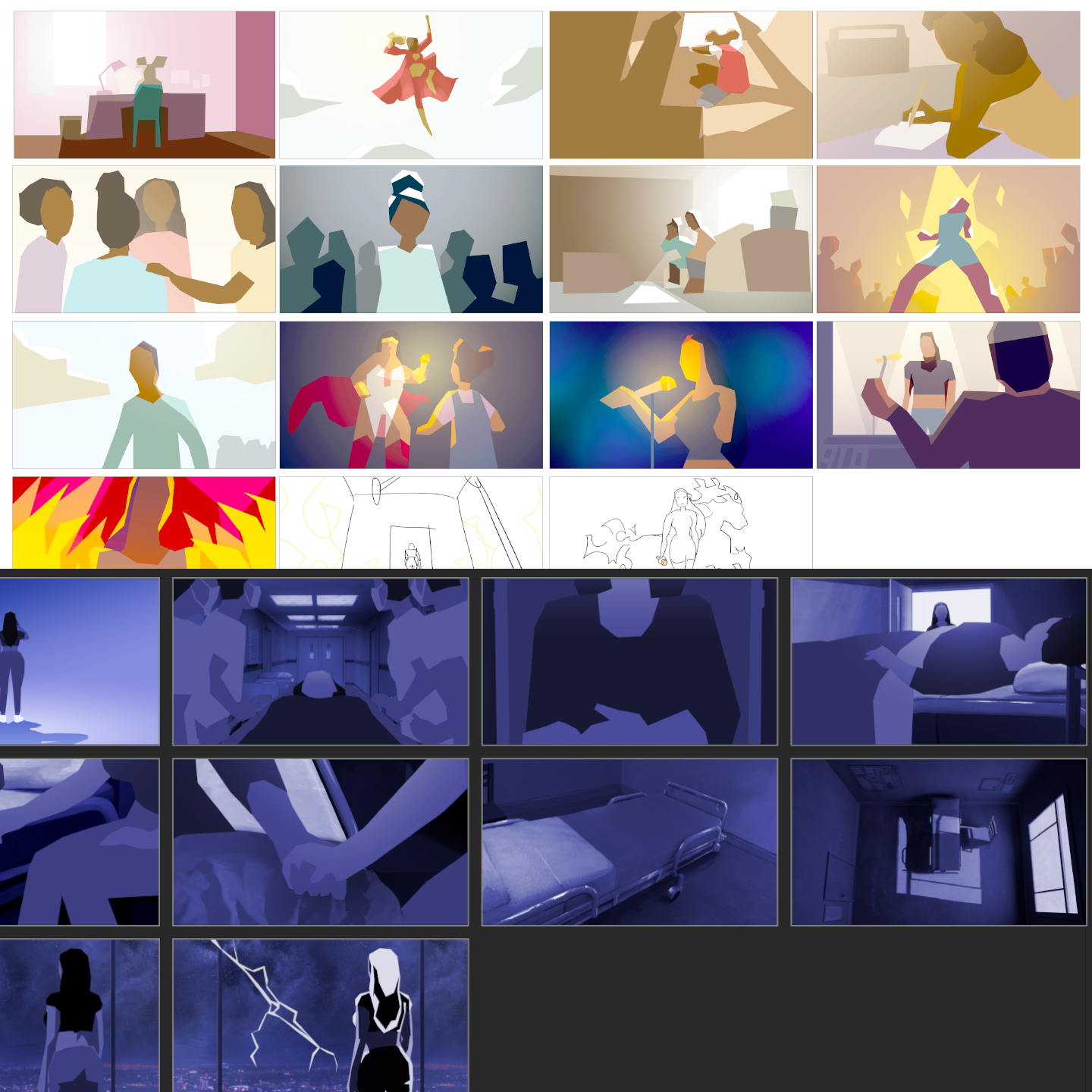
Her facial structure, features, hair, proportions, and expressions needed to remain recognizably hers. The same care applied to the other real people represented in the film. Rezonate developed the characters by balancing observed likeness with the specific drawing, shading, and lighting conventions we had studied.
The eyes were especially important. Rather than defaulting to contemporary oversized anime eyes, their shape, placement, highlights, and shadows were developed through references to 1980s character design while remaining grounded in each person’s actual features.
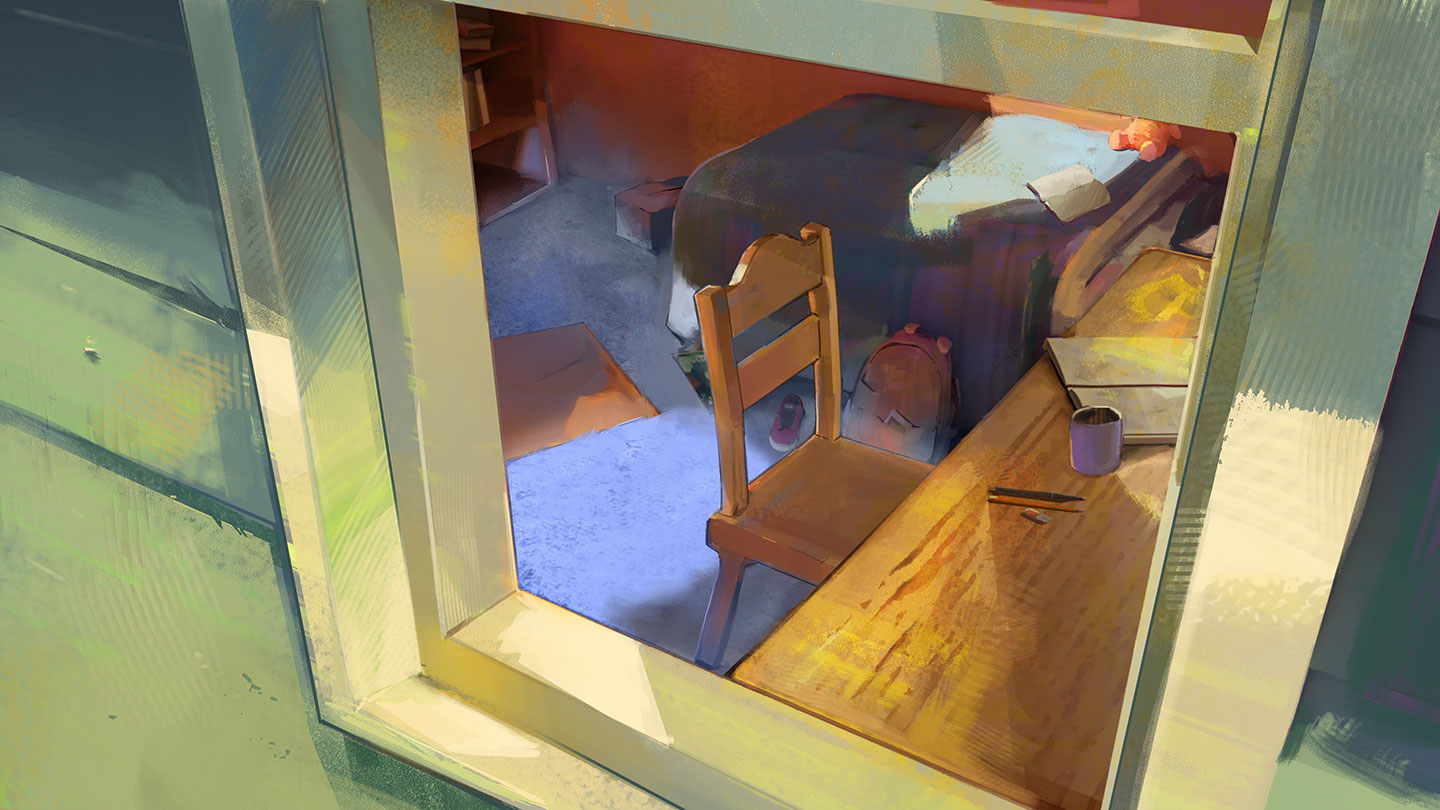
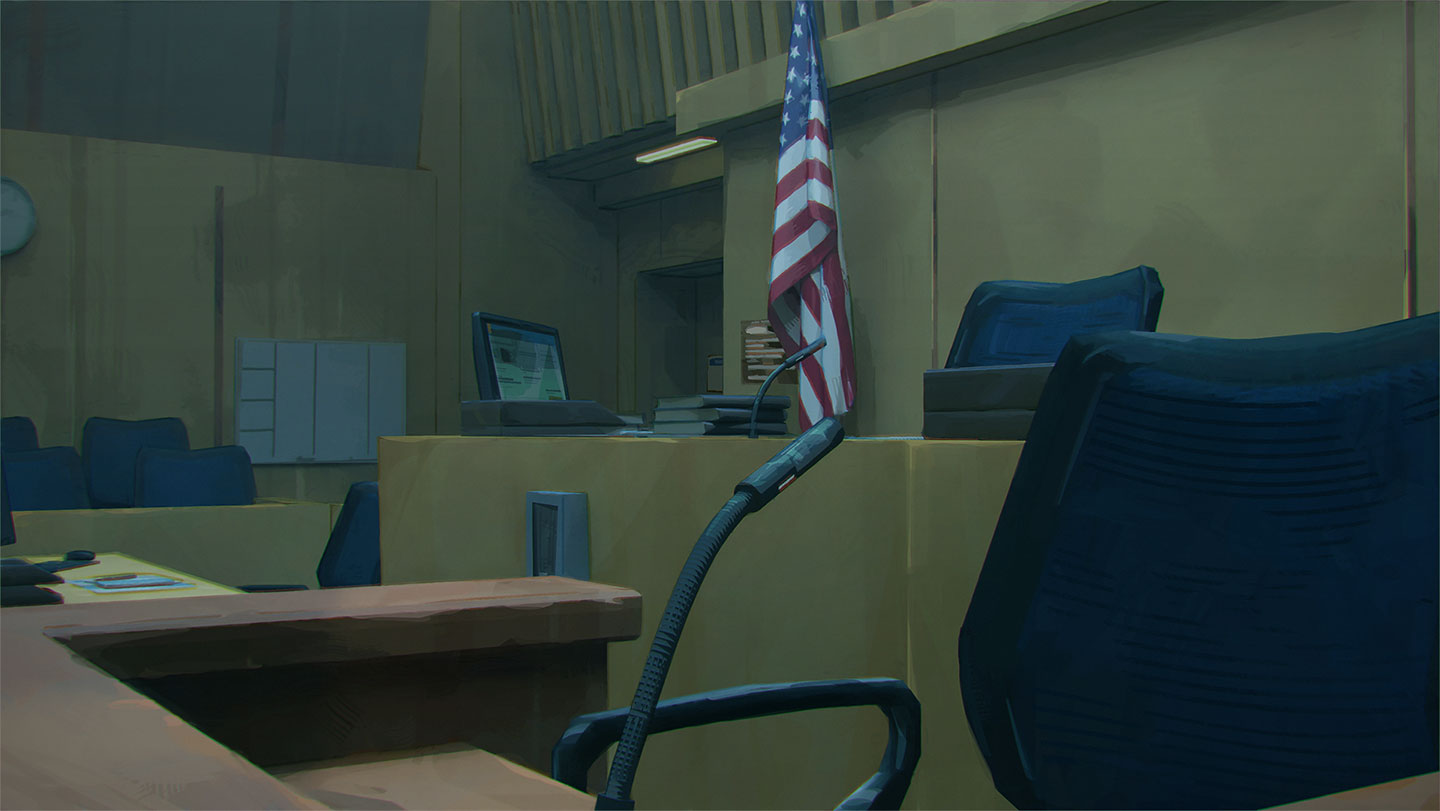
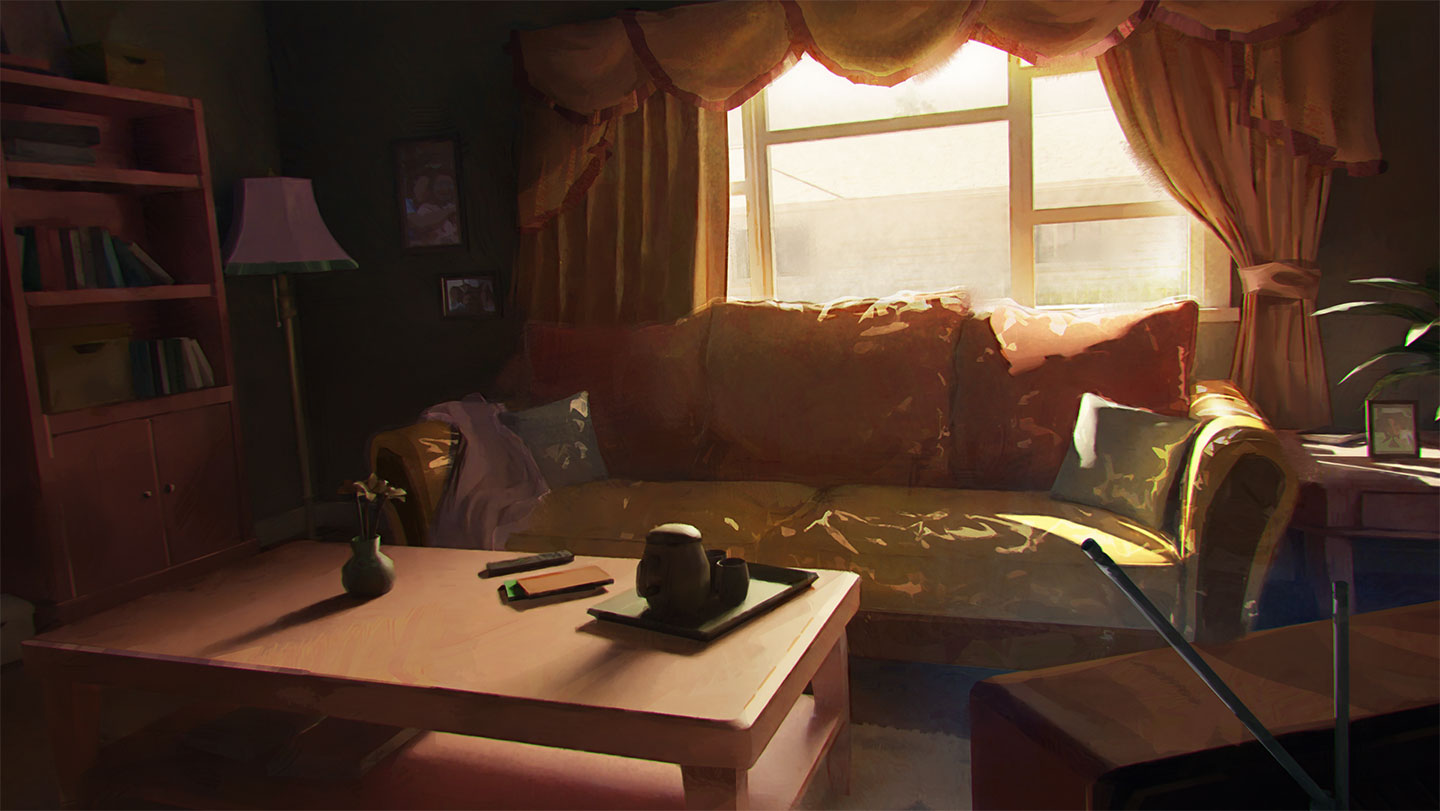
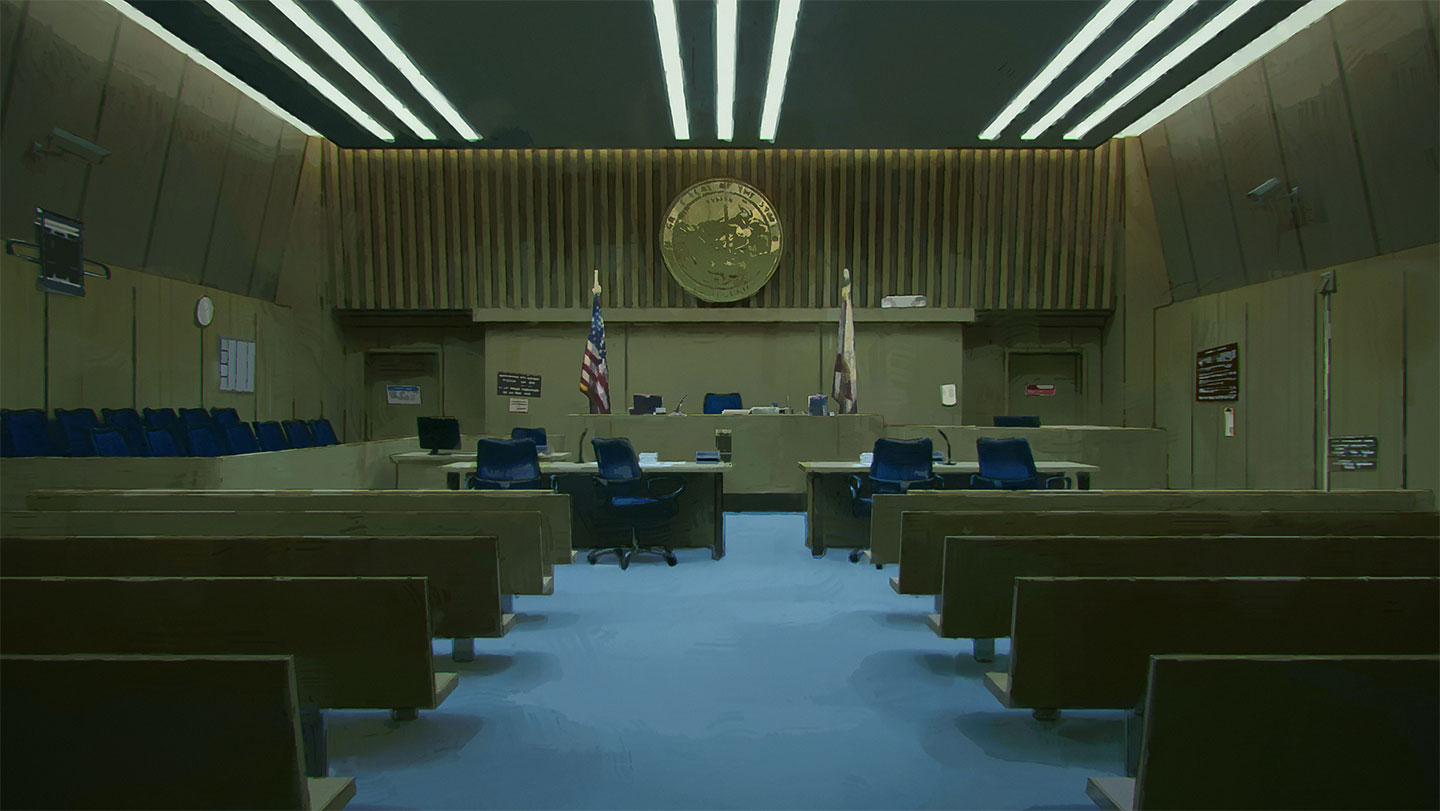
That balance carried into the environments and cinematography.
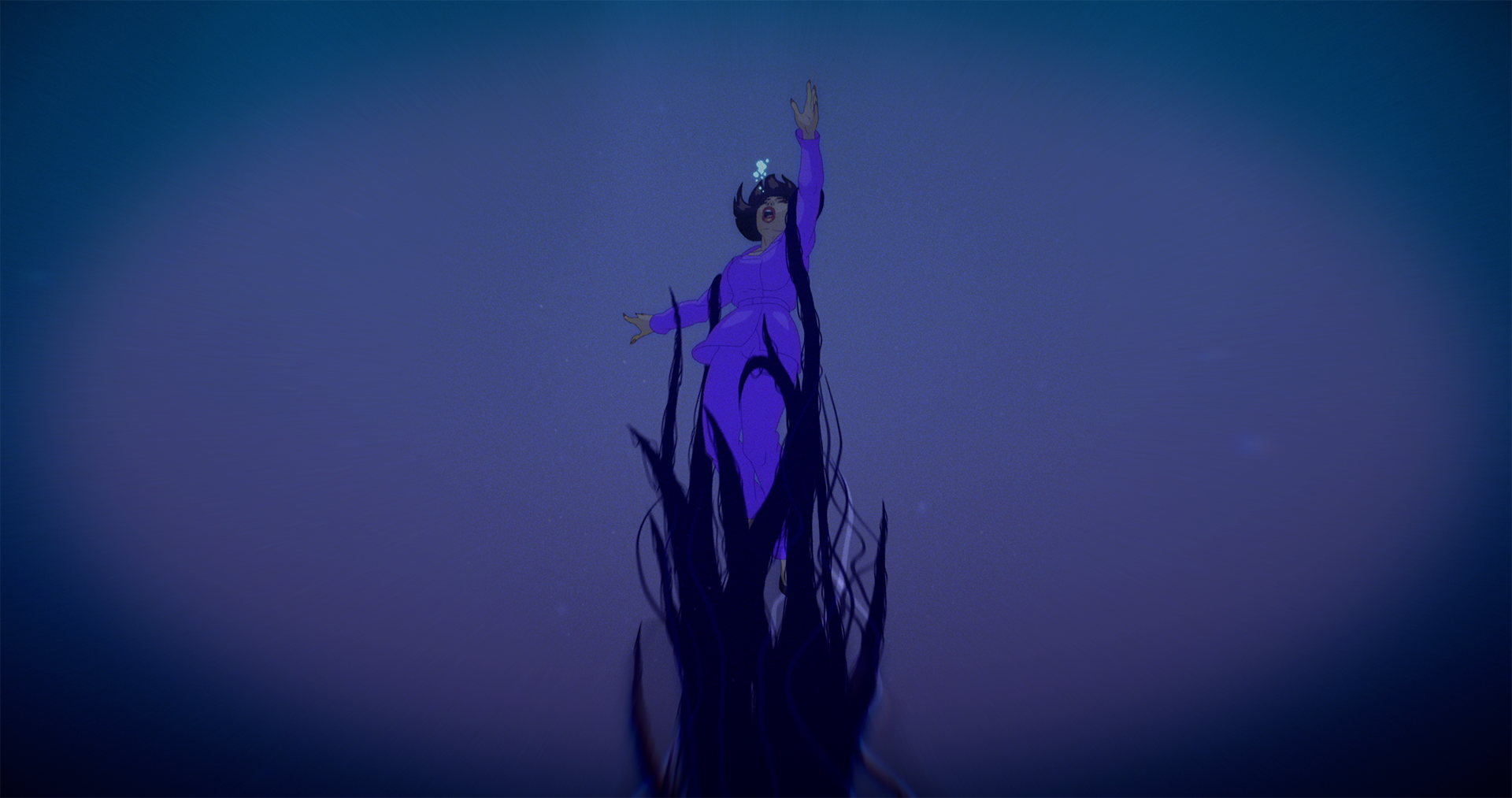
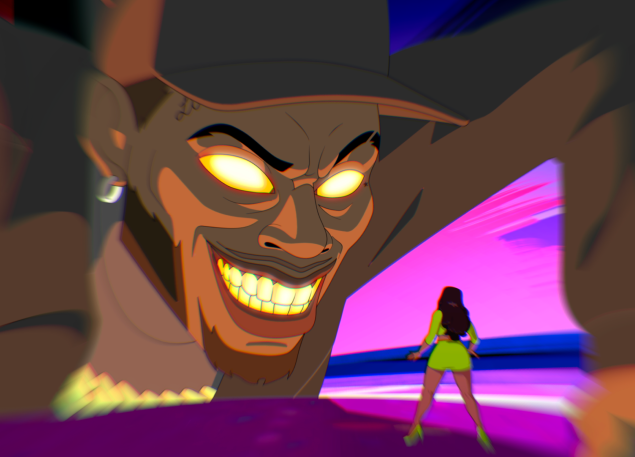
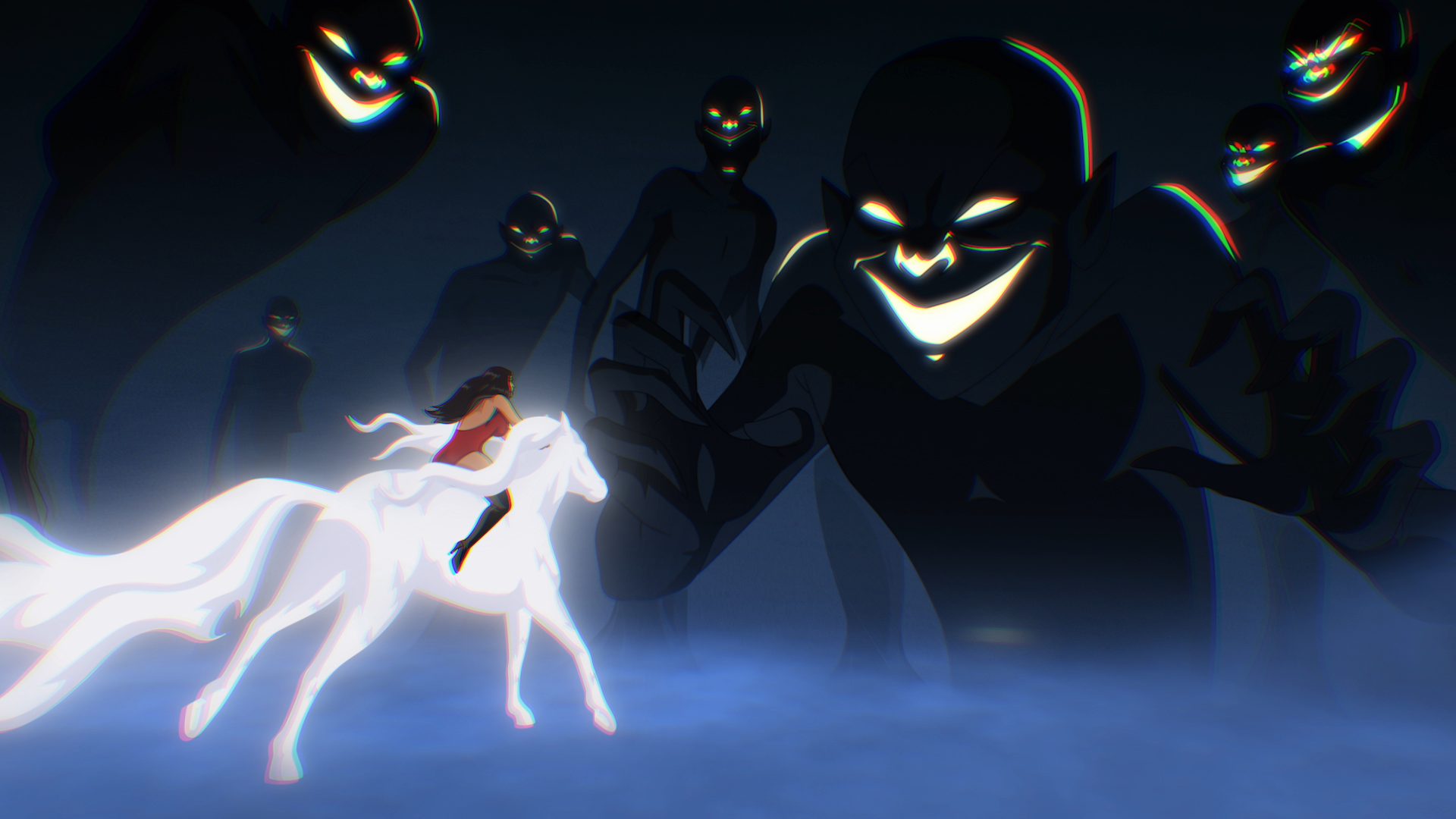
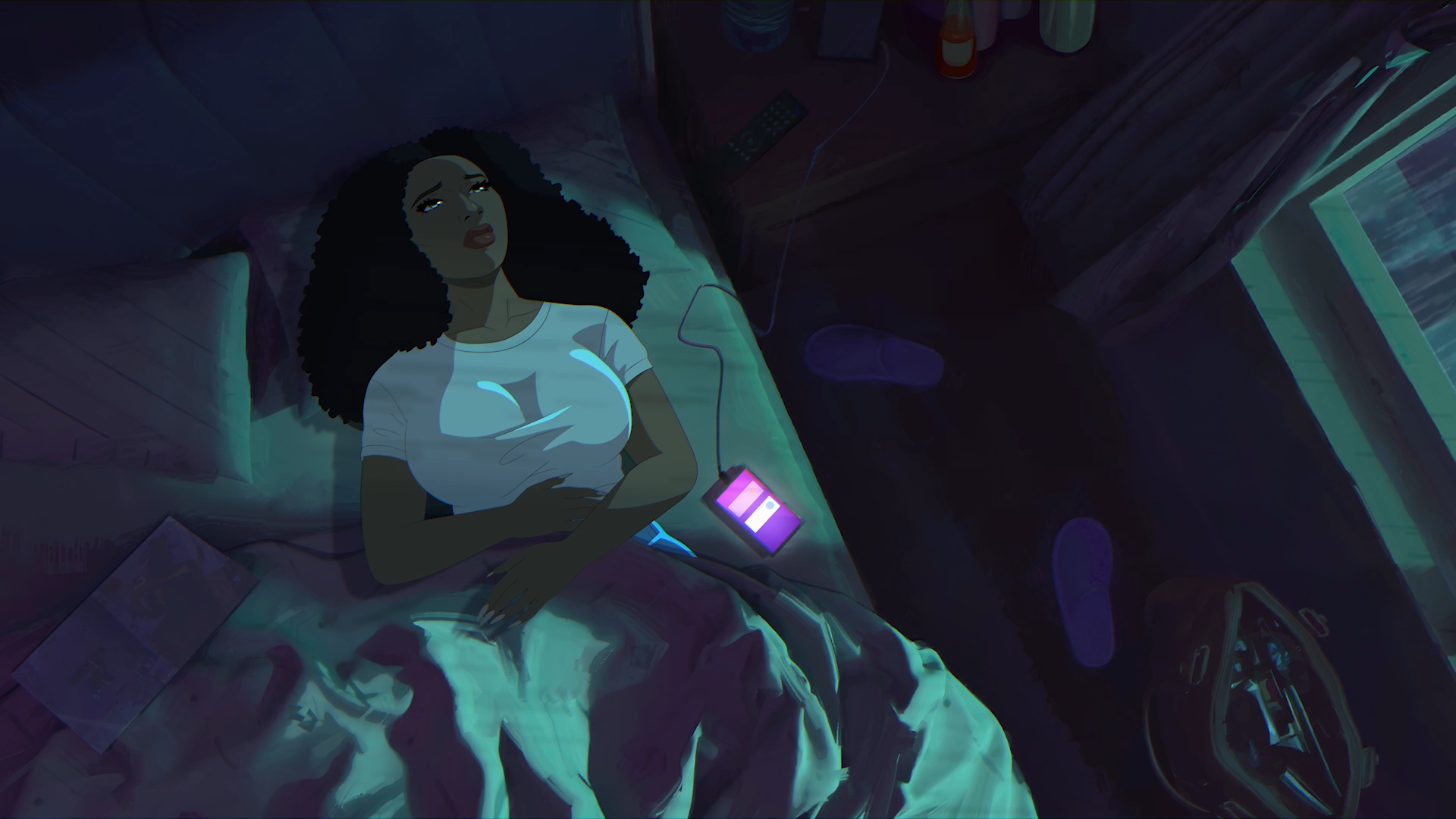
Sharp compositions, controlled camera movement, dramatic shadow, selective highlights, and restrained color created the feeling of anime without pulling the scenes into fantasy. The influence lived in how each frame was constructed, not simply in how the characters were drawn.
That distinction mattered because these were not invented scenes.
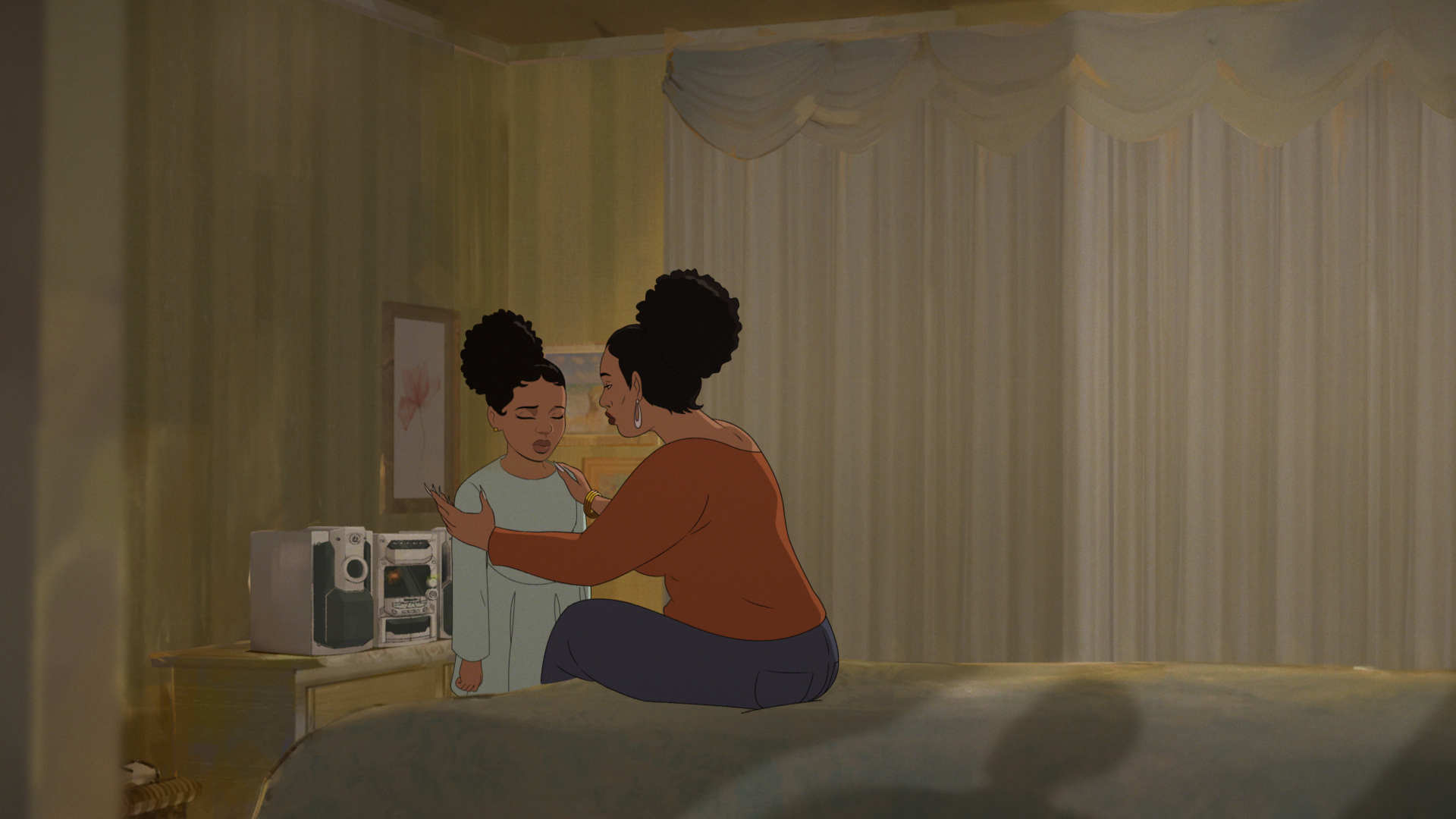
They represented events Megan had lived through. The late-night street. The shooting. The pressure and fear surrounding it. Memories involving her mother. Moments she could describe but should not have to physically reenact for a camera.
Animation created distance, but the craft had to preserve truth.
Every choice, from likeness and expression to framing, lighting, color, and movement, had to balance three things at once: the reality of the person, the emotional weight of the memory, and the visual language Megan genuinely connected with.
The result was not anime placed over a documentary.
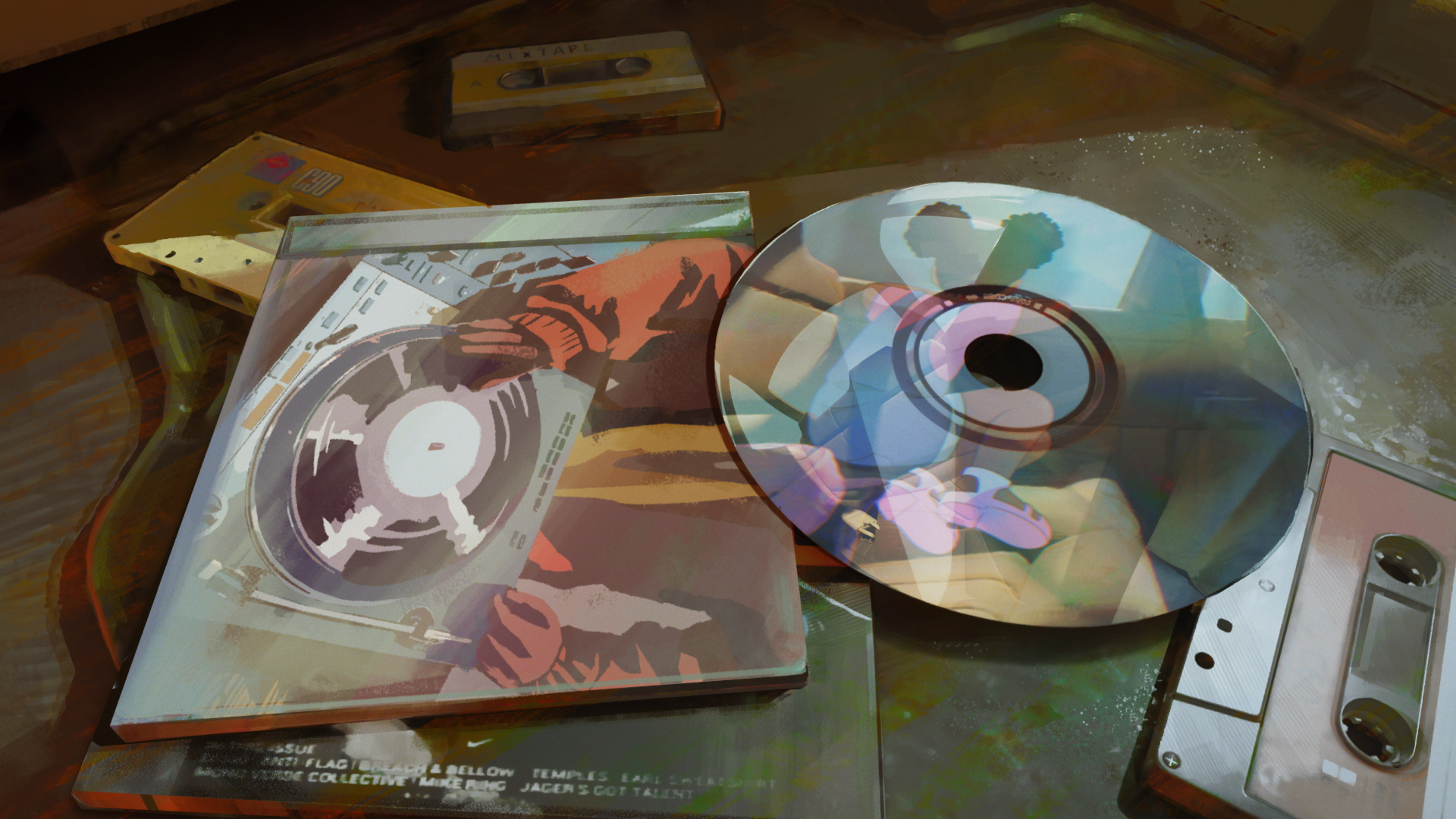
It was a visual language built specifically for Megan, using a form she loved to make visible the parts of her story a camera could never capture.